Introduction
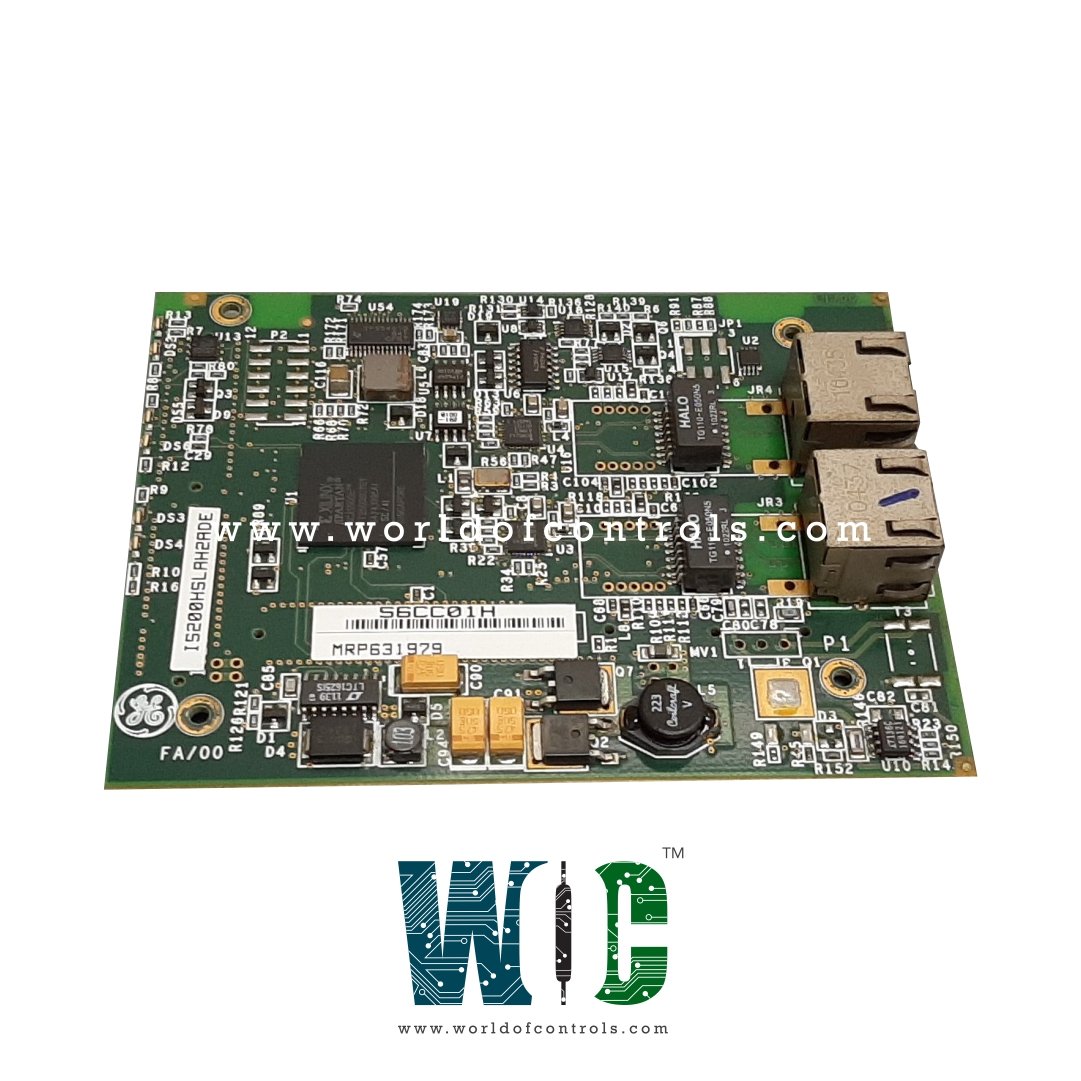
Modern gas turbine power plants rely on advanced control systems to maintain operational stability, support generator performance, and coordinate essential equipment. Communication between controllers, interface boards, and monitoring devices is an important part of this process. The GE HS Serial Link Interface supports communication within compatible industrial control architectures, particularly those associated with generator excitation systems.
Designed for integration into specialized control hardware, this interface helps facilitate data exchange between connected components. Understanding its features, functions, and applications enables turbine maintenance engineers, plant operators, and industrial automation professionals to make informed decisions about equipment reliability, troubleshooting, and replacement.
What Is the GE HS Serial Link Interface?
The GE HS Serial Link Interface is a specialized communication module associated with GE’s EX2100e excitation control platform. This platform is used in power generation applications to support generator excitation and voltage regulation.
The interface provides a communication pathway between compatible control hardware and other components within the intended system architecture. Its role is particularly relevant in power plants where excitation equipment exchanges information with connected controllers and monitoring systems.
By supporting communication between compatible devices, the interface contributes to the coordination of electrical control equipment. Its exact capabilities and compatibility depend on the installed hardware, system configuration, and applicable technical documentation.
Key Features of the GE HS Serial Link Interface
High-Speed Serial Communication
One of the interface’s primary characteristics is its support for High-Speed Serial Link (HSSL) communication. This enables data exchange between compatible control components, supporting communication within industrial excitation and automation systems.
Reliable data transmission is important in turbine power plants, where electrical control equipment must operate consistently alongside other plant systems.
FPGA-Based Technology
The interface incorporates field-programmable gate array (FPGA) technology to support dedicated hardware logic functions. FPGA-based designs can implement specialized communication and interface operations, making them useful in industrial control environments that require dependable hardware functionality.
Multiple Connection Interfaces
The module is designed to work with designated connections within its compatible control assembly. These interfaces facilitate communication between the module and associated hardware. Connector types, assignments, and supported configurations should always be verified using the relevant manufacturer documentation.
Compact Industrial Design
The circuit-board format supports integration into compatible control equipment and electrical cabinets. This arrangement helps organize communication hardware within industrial installations while allowing qualified technicians to inspect, maintain, and replace components when required.
Functions in Turbine Control Systems
Communication Between Control Components
The interface supports data exchange between compatible controllers and connected devices. This communication helps different parts of the control architecture share relevant information and coordinate their operations.
Supporting Generator Excitation Systems
Generator excitation systems regulate field current to help maintain generator terminal voltage and manage reactive power. The GE EX2100e platform supports these functions in applicable installations. The serial link interface contributes to the communication infrastructure surrounding the excitation system rather than independently regulating generator voltage.
Integration with Industrial Automation
Power plants often contain interconnected control and monitoring systems. A compatible serial link interface can support communication between excitation equipment and other control components, depending on the system architecture and approved configuration.
Applications in the Turbine Industry
Gas Turbine Power Plants
In gas turbine power stations, the interface may form part of the electrical control infrastructure associated with generator excitation equipment. Reliable communication supports the exchange of operational information between compatible control components and monitoring systems.
Combined-Cycle Power Plants
Combined-cycle facilities integrate gas turbines, steam turbines, generators, and auxiliary systems to improve overall power generation efficiency. Within the generator excitation subsystem, communication interfaces help connect control hardware with the wider plant automation environment.
Maintenance and Troubleshooting
For turbine maintenance teams, the interface is relevant when investigating communication issues, inspecting control hardware, or planning replacement activities. Reviewing system diagnostics, checking connections, and verifying hardware compatibility can help identify potential causes of communication faults.
Maintenance and Replacement Considerations
Routine inspection should include checking connectors for damage, identifying contamination, and looking for signs of overheating. When troubleshooting communication problems, technicians should also examine cable connections, system diagnostics, and communication status.
Before replacing the interface, verify the exact module identification, hardware revision, associated boards, and system configuration against the applicable GE documentation. Follow approved electrical isolation procedures and site safety requirements before handling control equipment. Installation and commissioning should be carried out by qualified personnel.
Conclusion
The GE HS Serial Link Interface is an important communication component within compatible industrial control architectures, particularly those associated with generator excitation systems. Its serial communication capabilities, FPGA-based technology, and integration with designated control hardware make it relevant to modern turbine power generation environments.
Although the interface does not independently regulate turbine speed or generator voltage, it contributes to the communication framework that supports coordinated control operations. Understanding its functions and applications helps plant operators and maintenance engineers improve troubleshooting practices, manage replacement components, and support the long-term reliability of turbine power generation systems.