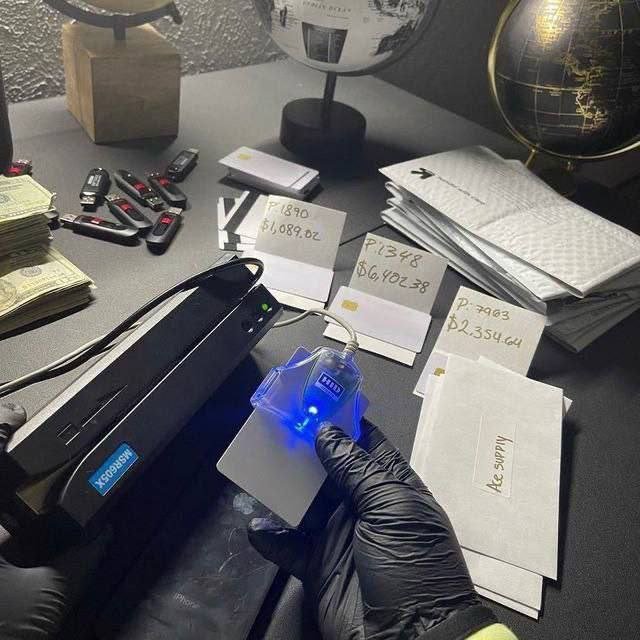
How Digital Duplication Occurs
Card cloning is the act of copying the electronic data stored on your payment card’s magnetic stripe. Sophisticated electronic tools capture the unique identification information that belongs to you. Once this data is harvested, it is transferred onto a fresh, blank card with a functional magnetic strip.
The result is a physical piece of plastic that acts exactly like your original card at checkout terminals – this replica allows someone else to access your balance or credit limit. While modern chip technology is more secure, many systems still rely on magnetic data for compatibility, which leaves a window for these replicas to function.
Common Ways Information is Stolen
Data theft often happens when you are performing a routine transaction. Skimming devices are small attachments placed over legitimate card readers at gas pumps or ATMs – these hidden tools record your card number and expiration date as you slide your card through the machine.
Other methods involve more advanced technology
- Shimming Thin inserts placed inside chip readers to capture data from the more secure EMV chips.
- Wireless Sniffing Using radio frequency tools to intercept signals from cards that have contactless payment features.
- Data Breaches Large scale thefts where your stored information is taken from a retailer’s digital database.
Stolen information is sold on hidden digital marketplaces. Some individuals view cloned cards as a way to obtain quick funds, which fuels the demand for your private data.
How Your Data Becomes Purchases
Once a replica is ready, it is typically used for high value items that are easy to sell for cash. Unnoticed test transactions are often the first sign of trouble. If the succeed, larger purchases follow rapidly before you can alert your bank – this is why a fake credit card number that works is so valuable to those looking to bypass security checks.
Fraudulent activity isn’t limited to physical stores – Your details can also be used for online shopping, where the physical card isn’t necessary – this variety of use makes it difficult to track the location of the person using your account, as they might be in a different city or country while spending your money.
Ways to Secure Your Accounts
You have multiple ways to lower your risk of falling victim to these scams. Use the contactless “tap” feature or mobile wallets like Apple Pay or Google Pay whenever possible, as these use one time codes instead of your actual card number – this makes the data useless if it is intercepted.
Physical awareness is also vital – Check for loose parts or strange attachments on any card reader you use. If a machine looks altered, find a different one. Setting up instant transaction alerts on your smartphone is an excellent way to see every charge the moment it happens, allowing you to freeze your account immediately if you see something suspicious.
FAQ
Is card cloning still possible with chip cards?
Yes, it is possible – While the chip is harder to copy, many cards still have a magnetic stripe for older machines. If a machine is compromised, it can read that stripe or use “shimming” to capture chip data.
How do I know if my card has been cloned?
You will see charges on your statement that you did not make. Sometimes the are very small amounts used to “test” if the card is active. Always review your digital history for unfamiliar business names or locations.
What should I do if I find a fraudulent charge?
Contact your bank or credit provider immediately – Tell them your card is compromised. They will cancel the card, issue a new one and start an investigation to return your lost funds.