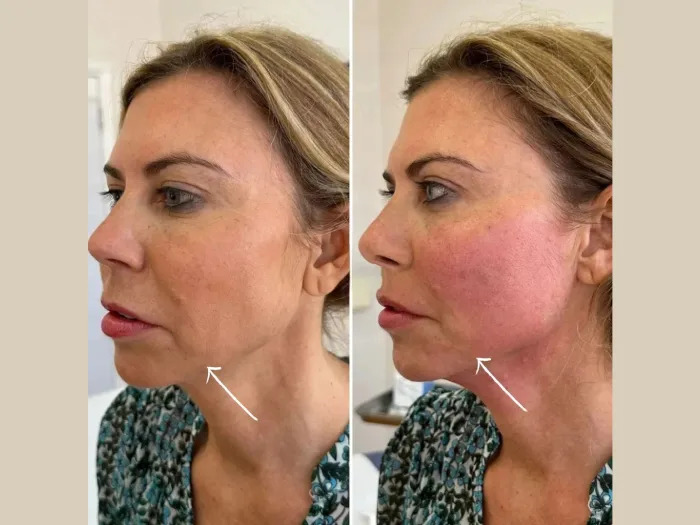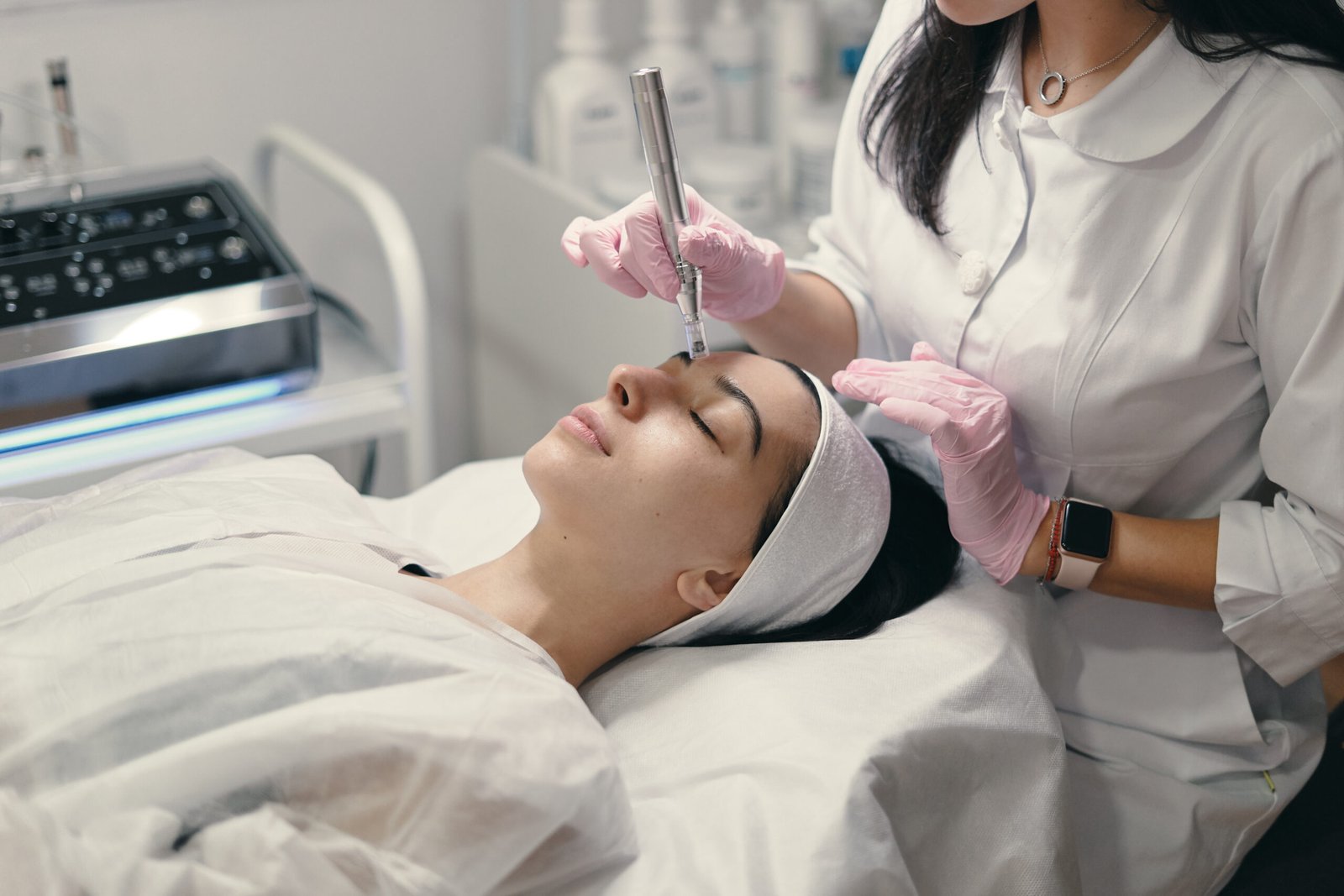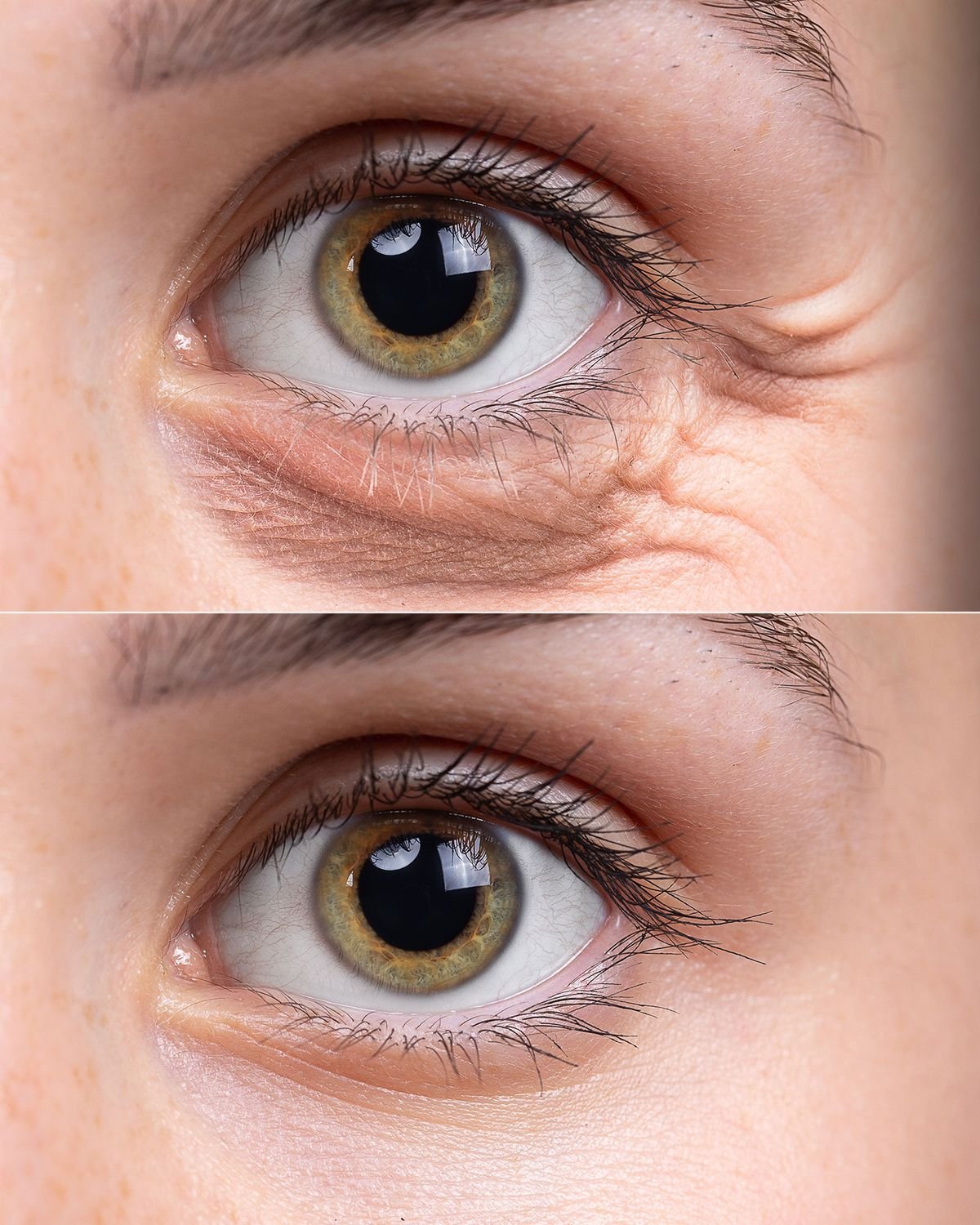
Eye bag removal is a treatment option for people who want to reduce persistent puffiness, prominent under-eye fat pockets, or excess skin. Depending on the cause of the concern, treatment may involve surgery or selected non-surgical procedures. While the treatment itself is important, proper aftercare also plays a significant role in supporting healing and achieving the best possible outcome.
Recovery varies from person to person. Some individuals experience temporary swelling and bruising, while others may notice tightness or sensitivity around the eyes. Following professional instructions, allowing sufficient rest, and knowing when to seek medical attention can make the recovery process more manageable.
For people considering Eye Bag Removal in Islamabad, understanding recovery expectations before treatment can help them prepare comfortably and make informed decisions with a qualified medical professional.
Understand Your Expected Recovery Timeline
The recovery period depends on the procedure performed, individual health, and the body’s natural healing response. Following surgical eye bag removal, swelling, bruising, and mild discomfort are common during the early stages.
These symptoms usually improve gradually, but the under-eye area may take several weeks or longer to settle fully. The final appearance may not be immediately visible because temporary swelling can affect the results.
Non-surgical treatments often involve less downtime, although temporary redness, irritation, or swelling may still occur.
Before treatment, ask your provider about the expected healing timeline, activity restrictions, and follow-up appointments. Having realistic expectations can reduce unnecessary worry during recovery.
Follow Your Provider’s Aftercare Instructions
Your surgeon or practitioner should provide specific instructions based on the treatment performed. These recommendations may include wound care, medication use, cleaning the area, and avoiding certain activities.
Follow instructions carefully rather than relying on general online advice. Do not apply skincare products, makeup, or other substances near healing incisions unless your provider confirms they are safe.
Take prescribed medication exactly as directed. Do not stop or change existing medication without advice from the healthcare professional responsible for your care.
Attending scheduled follow-up appointments is equally important. These visits allow your provider to monitor healing and identify concerns that may require attention.
Manage Swelling and Bruising Safely
Swelling and bruising are common after surgical eye bag removal. Your provider may recommend a clean, cool compress to help ease discomfort during the early recovery period.
If compresses are recommended, use them exactly as instructed. Avoid placing ice directly on the skin or applying pressure to the eyes. Keep the area clean and do not rub or massage it unless your provider specifically advises you to do so.
Sleeping with your head elevated may also help manage swelling after surgery, if approved by your surgeon.
Bruising can change color as it heals, and swelling may fluctuate during recovery. These changes can be normal, but symptoms that worsen significantly should not be ignored.
Get Enough Rest and Sleep
Rest gives your body time to recover. During the early healing period, avoid unnecessary strain and arrange your schedule to allow for adequate sleep.
If your surgeon recommends sleeping with your head elevated, use a comfortable arrangement that supports your head and neck without putting pressure on the eyes. Avoid sleeping face-down or pressing the treated area against a pillow.
You may need to limit screen time temporarily if your eyes feel dry or tired. Take breaks and follow any recommendations for eye drops or other products provided by your healthcare professional.
Returning to your usual routine gradually can help make recovery more comfortable.
Maintain Healthy Nutrition and Hydration
A balanced diet supports general healing and overall health. Include a variety of fruits, vegetables, protein sources, and other nutrient-rich foods in your daily meals.
Drinking enough water helps maintain normal hydration. Limiting excessive salt intake may also be useful for people who are prone to fluid retention, although it will not replace proper medical aftercare.
Avoid smoking during recovery and follow your surgeon’s guidance regarding alcohol and other substances, as these may affect healing or interact with medication.
No particular food or supplement can guarantee faster recovery. Discuss supplements with your healthcare professional, especially if you have been advised to avoid products that may affect bleeding.
Protect the Under-Eye Area
The skin surrounding the eyes is delicate, so gentle care is essential while healing.
Avoid rubbing your eyes, pulling at the skin, or using exfoliating products near the treated area. Do not resume eye makeup until your provider confirms it is safe, particularly if you have surgical incisions.
Protect the area from direct sunlight according to your provider’s instructions. Once the skin has healed sufficiently, suitable sun protection may help maintain skin health.
Avoid facials, chemical peels, laser treatments, or other cosmetic procedures near the eyes until your healthcare professional approves them.
Return to Daily Activities Gradually
Many patients need temporary changes to their normal routine after eye bag removal. Strenuous exercise, heavy lifting, and activities that increase pressure or strain may need to be avoided for a period determined by the surgeon.
Ask when it is appropriate to return to work, drive, exercise, and wear contact lenses. These recommendations depend on the procedure, your symptoms, and whether your vision or comfort is affected.
Do not rush the process simply because the external swelling has improved. Following activity restrictions helps reduce unnecessary strain during healing.
For patients receiving Eye Bag Removal in Islamabad, a provider who offers clear aftercare instructions and follow-up support can help make the recovery process more predictable.
Know When to Seek Medical Attention
Although mild swelling and bruising may be expected, certain symptoms require urgent medical assessment.
Seek immediate medical attention for sudden vision changes, severe or increasing eye pain, significant bleeding, or rapidly worsening swelling. Fever, spreading redness, unusual discharge, or symptoms that concern you should also be reported promptly to your healthcare professional.
Do not assume that every symptom is a normal part of healing. Early assessment can help identify complications and determine whether additional treatment is needed.
Conclusion
A comfortable eye bag removal recovery depends on proper preparation, adequate rest, gentle care, and following professional instructions. Managing swelling safely, maintaining healthy habits, protecting the treated area, and returning to daily activities gradually can support the healing process.
Recovery differs between individuals, so patience and realistic expectations are essential. Before choosing Eye Bag Removal in Islamabad, discuss the procedure, potential risks, recovery timeline, and aftercare requirements with an appropriately qualified medical professional.
Frequently Asked Questions
1. How long does recovery after eye bag removal take?
Recovery depends on the procedure and individual healing. Bruising and swelling after surgery may improve over several weeks, while complete healing can take longer. Your provider can explain what to expect for your specific treatment.
2. What helps reduce swelling after eye bag removal?
Your provider may recommend cool compresses, head elevation, rest, and avoiding strenuous activities during early recovery. Follow their instructions and never apply direct ice or pressure to the eyes.
3. When can I return to normal activities after eye bag removal?
The timing depends on the procedure and your healing progress. Ask your provider when you can safely resume exercise, work, driving, makeup, and contact lens use rather than following a fixed timeline.
4. Where can I get guidance about Eye Bag Removal in Islamabad recovery?
Consult an appropriately qualified medical professional who can explain your treatment, provide personalized aftercare instructions, and arrange follow-up appointments. Seek urgent care for sudden vision changes, severe pain, significant bleeding, or rapidly worsening swelling.
For more information visit
Enfield royal clinic in islamabad