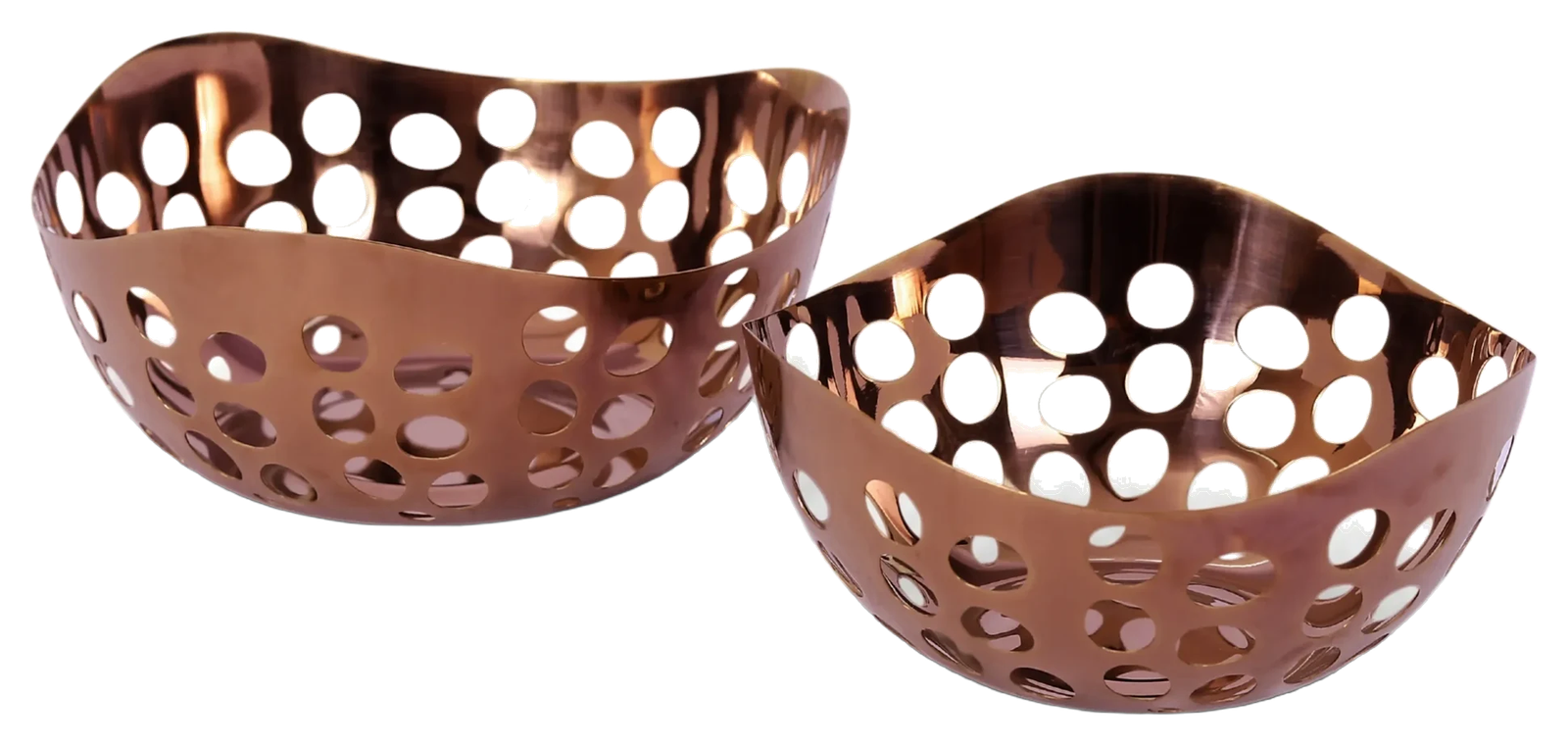
Bread baskets are a useful addition to restaurant tables, hotel dining areas, cafés, and catering setups. They help staff serve bread, rolls, buns, and other bakery items neatly while improving the overall dining presentation. For businesses purchasing tableware in bulk, choosing the right bread baskets involves more than comparing prices. Material quality, size, durability, and ease of cleaning all influence their long-term value.
Before placing a wholesale order, restaurant owners and purchasing managers should consider the following features.
1. Choose the Right Material
The material of a bread basket affects its appearance, durability, and maintenance requirements. Stainless steel bread baskets are popular in professional dining environments because they offer a clean, polished look and can withstand frequent handling.
Other options include wicker, plastic, and fabric-lined baskets. Wicker baskets provide a traditional appearance, while plastic options can be lightweight and economical. However, their cleaning requirements and suitability for commercial use may vary.
Stainless steel baskets are often a practical choice for restaurants that want tableware suited to regular service. Buyers should check the material grade, construction quality, and intended food-contact use before purchasing.
2. Check Durability and Build Quality
Restaurant bread baskets experience repeated handling throughout the day. Staff carry them between kitchens and tables, collect them after meals, and clean them between services. Poorly constructed baskets may bend, develop sharp edges, or lose their finish over time.
When comparing products, inspect the thickness of the material, the quality of the joints, and the overall construction. Handles, if present, should feel secure and comfortable to hold.
For bulk purchases, requesting product samples can help buyers assess build quality before committing to a large order. Consistent construction across the entire batch is particularly important for hotels and restaurant chains.
3. Select Suitable Sizes and Shapes
Bread baskets are available in different shapes and capacities. The best choice depends on the menu, table size, and number of guests typically served.
Round baskets work well for smaller tables and individual servings. Rectangular baskets can fit neatly along longer dining tables, while larger baskets may suit shared meals and buffet counters.
Consider the types of bread your restaurant serves. Small rolls require less space than baguette slices or larger bread portions. Choosing suitable dimensions helps prevent overcrowding and keeps food presentation neat.
Before ordering, check the basket’s internal dimensions rather than relying only on its external measurements.
4. Prioritize Easy Cleaning and Hygiene
Hygiene is essential in every food service environment. Bread baskets should be easy to clean, dry, and prepare for the next service.
Stainless steel baskets with smooth surfaces and minimal crevices can make cleaning more convenient. Their suitability for dishwashing depends on the product’s design and the manufacturer’s instructions.
If you choose baskets with fabric liners, check whether the liners are removable and washable. Liners should be cleaned regularly and replaced when worn or damaged.
Avoid products with rough edges, difficult-to-clean joints, or finishes that deteriorate quickly under normal cleaning conditions. Following proper cleaning procedures helps maintain both hygiene and appearance.
5. Consider Design and Table Presentation
Bread baskets contribute to the overall look of a dining table. Their design should complement your restaurant’s interiors, tableware, and service style.
Polished stainless steel baskets can suit contemporary restaurants, hotels, and formal dining spaces. Woven designs may work better in casual cafés or establishments with rustic interiors.
Consistency also matters when purchasing in bulk. Using matching baskets across dining areas creates a coordinated appearance and helps maintain a professional presentation.
Choose a design that balances appearance with functionality. Decorative details should not interfere with cleaning, handling, or serving bread comfortably.
6. Compare Wholesale Prices and Minimum Order Quantities
Price is an important consideration when buying bread baskets in bulk, but the lowest-priced option may not provide the best value. A basket that wears out quickly can increase replacement costs and create inconsistencies in table presentation.
Request quotations from multiple suppliers and compare the following details:
- Price per basket and total order cost
- Minimum order quantity
- Available sizes, shapes, and finishes
- Bulk discounts and payment terms
- Packaging and shipping charges
- Delivery timelines and replacement policies
Ask suppliers whether the quoted price includes all applicable charges. Comparing products with similar specifications provides a more accurate picture of their value.
7. Check Storage and Stacking Convenience
Restaurants need tableware that can be stored efficiently between services. Bread baskets that stack securely can reduce storage requirements and make stock easier to organize.
Before ordering, check whether the baskets nest together without becoming stuck or scratching one another. Consider the available shelf space and the number of baskets your staff need during peak hours.
Efficient stacking can also simplify transportation between storage areas and dining sections. For restaurants with limited storage space, this feature can be especially useful.
8. Choose a Reliable Wholesale Supplier
A reliable supplier can help ensure consistent product quality and timely delivery. This is particularly important when furnishing a new restaurant or replenishing tableware across multiple locations.
Review product specifications carefully and ask for clear information about materials, dimensions, finishes, and care instructions. Confirm stock availability and delivery schedules before placing a large order.
If possible, inspect a sample before finalizing the purchase. Discuss how damaged products or quality issues will be handled, and confirm whether repeat orders can be supplied with matching specifications.
Building a relationship with a dependable supplier can make future purchasing simpler and help maintain consistent standards.
Conclusion
Choosing the right bread baskets for restaurants requires careful attention to material quality, durability, size, hygiene, design, and wholesale pricing. Buyers should also consider storage convenience and supplier reliability before placing bulk orders. Comparing these features can help restaurants select baskets that suit their daily operations and dining presentation requirements.
De’Stellar offers stainless steel tableware options for professional dining environments. Restaurants, hotels, and catering businesses can consider its collection when selecting serving essentials that complement their food presentation and service needs.