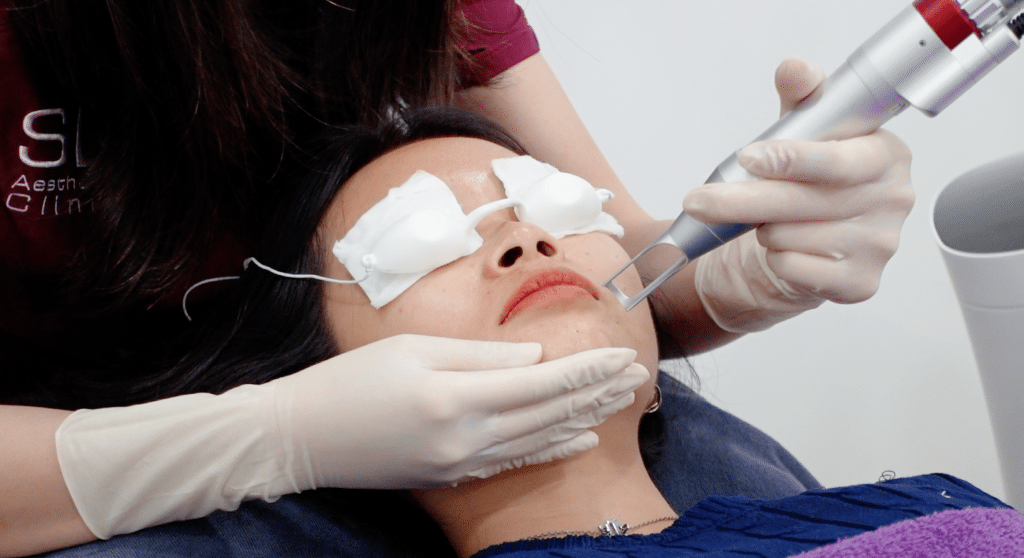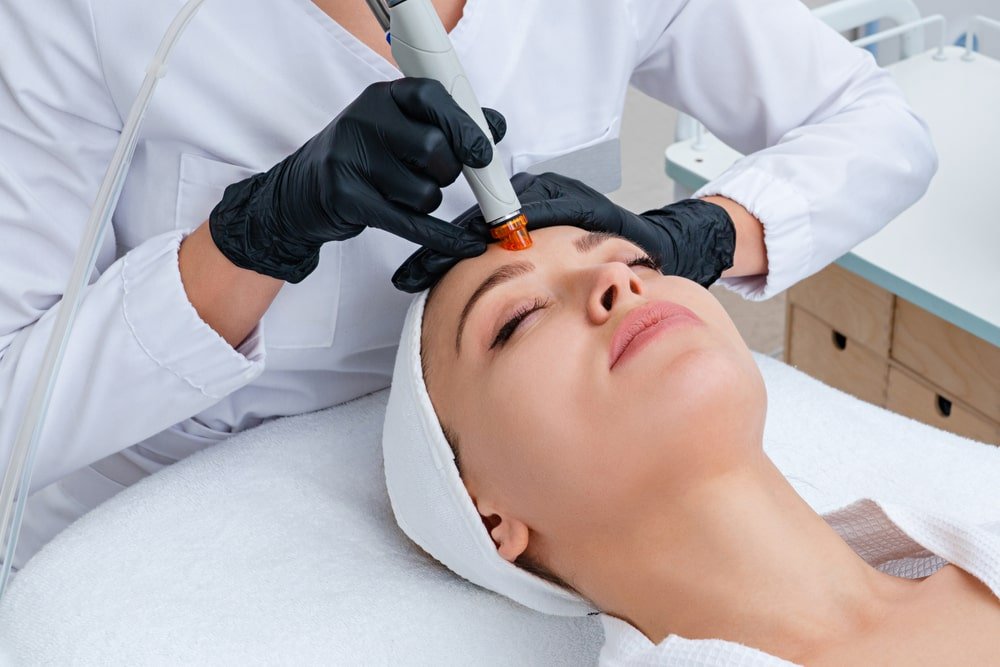
Healthy, radiant skin is often associated with a smooth texture, balanced hydration, and a naturally refreshed appearance. However, everyday factors such as sun exposure, dust, humidity, pollution, stress, and irregular skincare routines can leave the complexion looking dull and tired. For people seeking a professional skincare treatment, Hydrafacial has become a popular option in Dubai because it combines cleansing, exfoliation, extraction, and hydration in a structured facial procedure.
A Hydrafacial Dubai is designed to remove surface impurities, clear clogged pores, and deliver hydrating skincare ingredients to the skin. Unlike more aggressive resurfacing procedures, it is generally considered a gentle, non-invasive option for improving the appearance of the complexion. Depending on individual skin needs, it may help reduce the look of congestion, improve surface smoothness, and create a fresher, more luminous appearance.
Nevertheless, results vary according to skin type, existing concerns, treatment settings, and aftercare. Hydrafacial is not a permanent solution for pigmentation, deep wrinkles, acne scars, or other complex skin conditions. A qualified skincare professional can help determine whether the procedure is suitable for your goals.
Dubai offers several aesthetic clinics providing professional facial treatments, giving patients different options to explore. When considering Hydrafacial in Dubai, it is important to look beyond convenience and compare practitioner qualifications, hygiene standards, consultation procedures, and the quality of personalised care. Understanding these factors can help you choose an appropriate treatment and develop realistic expectations about your skin’s natural radiance.
How Does Hydrafacial Support Natural Skin Radiance?
The treatment generally follows several stages, although the precise protocol can differ between clinics and individual treatment plans.
Cleansing and exfoliation: The skin is cleansed to remove surface debris, excess oil, and impurities. Gentle exfoliation helps loosen dead skin cells that can contribute to a rough or lacklustre complexion.
Pore cleansing and extraction: Specialised equipment may use suction to remove debris from congested pores. This stage can improve the appearance of blackheads and some forms of superficial congestion, although it does not permanently prevent them from returning.
Hydration and serum application: Hydrating solutions and selected skincare ingredients are applied to support the skin’s moisture balance and improve its appearance. The ingredients used should be appropriate for the patient’s skin type and sensitivities.
Finishing skincare: Depending on the protocol, the treatment may conclude with moisturiser and sun protection. Following suitable aftercare helps maintain comfort and supports the skin barrier.
The combined effect may leave the complexion looking smoother, more hydrated, and temporarily brighter. People with mild dryness, uneven texture, or congested pores may find the procedure particularly appealing. However, persistent pigmentation, inflammatory acne, or significant scarring may require a different treatment approach.
Clinics to Consider for Hydrafacial in Dubai
Choosing a clinic involves more than comparing treatment prices. The provider should assess your skin, explain the procedure, discuss possible side effects, and recommend a treatment plan that reflects your individual needs.
Tajmeels Clinic
Tajmeels Clinic is an option to explore when researching aesthetic skincare services in Dubai. Patients interested in a facial treatment should ask about the clinic’s available Hydrafacial protocols, the professional responsible for performing the procedure, and how the treatment is adapted to different skin concerns.
A useful consultation should cover dryness, excess oil, visible congestion, sensitivity, and any active skin conditions. Patients should also ask whether the selected serums are appropriate for their skin and whether any preparation is necessary before the appointment.
For anyone considering Hydrafacial, understanding the proposed treatment steps and the likely short-term results can make it easier to decide whether the procedure fits their skincare goals.
Salus Clinic
Salus Clinic may be worth researching for individuals comparing professional skincare options. Before booking, prospective patients should confirm the availability of Hydrafacial and ask which treatment protocol is offered, as services and equipment can vary between providers.
A thorough assessment is particularly important for people who experience redness, reactive skin, or recurring breakouts. The practitioner should explain whether exfoliation and suction are appropriate, what level of temporary redness might occur, and which products should be avoided immediately after treatment.
It is also sensible to discuss the expected duration of results. Hydration and surface smoothness may improve after a session, but maintaining a healthy-looking complexion usually requires consistent home skincare and sun protection.
Enfield Royal Clinic
Enfield Royal Clinic is another provider to consider when comparing aesthetic clinics in Dubai. Patients interested in Hydrafacial should enquire about the available treatment options, the qualifications of the treating professional, and the assessment process used to determine suitability.
An individualised approach matters because skin concerns differ considerably. Someone seeking improved hydration may have different needs from a person dealing with clogged pores or uneven texture. A suitable consultation should identify these priorities and explain what the treatment can realistically achieve.
Before proceeding, patients can ask about hygiene procedures, the products used during the facial, possible temporary reactions, and recommended aftercare. They should also discuss whether the treatment should be postponed if the skin is irritated or affected by an active condition.
A clear explanation of expected outcomes and potential limitations helps patients make an informed decision rather than relying on promises of instant or permanent skin improvement.
Dynamic Life Clinic
Dynamic Life Clinic is another name patients may wish to investigate while exploring aesthetic skincare services in Dubai. Those considering a professional facial should verify the clinic’s current Hydrafacial availability and ask whether the treatment can be tailored to their skin type and concerns.
An appropriate consultation should distinguish between surface-level issues, such as dullness and mild congestion, and concerns that may need dermatological assessment. The practitioner should also review the patient’s current skincare routine, including retinoids, exfoliating acids, and other products that may increase sensitivity.
Patients can ask how the procedure is performed, what sensations to expect, and which aftercare measures are recommended. These details are useful for understanding whether the treatment is appropriate for their lifestyle and skincare priorities.
Bedashing Beauty
Bedashing Beauty is an additional option to explore when comparing facial treatments and beauty services in Dubai. Before making an appointment, patients should confirm whether Hydrafacial is currently available at their preferred branch and clarify who will perform the procedure.
It is helpful to ask about the equipment used, the steps included in the session, and how the provider approaches sensitive or acne-prone skin. Patients should also find out whether the treatment includes personalised serum selection and what measures are taken to maintain hygiene.
Although a professional facial may improve the skin’s immediate appearance, lasting results depend on individual skin conditions and ongoing care. A provider that communicates clearly about benefits, limitations, and aftercare can help patients develop more realistic expectations.
How to Choose the Right Clinic for Hydrafacial
Selecting a suitable clinic is an important part of achieving a comfortable treatment experience. Rather than relying solely on promotional photographs or package offers, consider the following factors before booking.
Experience and qualifications
Ask who will assess your skin and perform the treatment. Check the practitioner’s relevant qualifications, training, and experience with the equipment being used. If you have a persistent skin condition, consultation with a licensed dermatologist may be appropriate before undergoing a cosmetic facial.
Technology and treatment techniques
Not all facial treatments marketed under similar names use identical equipment or protocols. Confirm which device and treatment steps the clinic offers. Ask whether the procedure can be adjusted for dryness, oiliness, congestion, or sensitivity instead of applying the same approach to every patient.
Safety and hygiene standards
The clinic should follow appropriate cleaning, disinfection, and infection-control procedures. Equipment components that require single-use handling should be managed according to the manufacturer’s instructions. The practitioner should also explain possible reactions, including temporary redness, tightness, irritation, or sensitivity.
People with active skin infections, significant irritation, open wounds, or certain inflammatory conditions may need to postpone treatment. Anyone with a history of allergic reactions should discuss relevant ingredients before proceeding.
Consultation and personalised recommendations
A proper consultation should include questions about medical history, current medications, previous cosmetic treatments, allergies, and skincare products. This information helps the practitioner identify potential contraindications and determine whether the treatment is suitable.
Be cautious of providers who promise flawless skin or guarantee that one session will resolve every concern. Responsible advice should include both expected benefits and limitations.
Patient experience and aftercare
Review how clearly the clinic explains the procedure, pricing, appointment duration, and aftercare requirements. Ask whether you should pause particular active skincare ingredients before or after the session and when you can resume your normal routine.
After treatment, gentle cleansing, moisturising, and daily broad-spectrum sunscreen can help protect the skin. Avoid introducing several new products immediately afterwards, especially if your skin feels sensitive.
Expected results and maintenance
Many people notice temporary improvements in hydration, smoothness, and brightness after a session. The extent and duration of these changes vary, and some individuals may experience redness or irritation instead.
A practitioner should recommend follow-up sessions based on your skin’s needs rather than an inflexible schedule. If your main concern is persistent pigmentation, deeper acne scarring, or ongoing inflammatory acne, ask whether another treatment or a dermatological evaluation would be more appropriate.
Frequently Asked Questions
Can Hydrafacial improve the skin’s natural radiance?
Yes, it may improve the appearance of radiance by removing dead surface cells, clearing some pore debris, and delivering hydrating solutions. The complexion may look smoother and fresher after treatment, although the results vary between individuals.
How long does a Hydrafacial session take?
A typical session often takes approximately 30–60 minutes, depending on the treatment protocol and any additional steps. Your clinic can confirm the expected appointment length when you book.
Is Hydrafacial suitable for sensitive skin?
Some people with sensitive skin may tolerate the treatment, but suitability depends on the degree of sensitivity, current skin condition, and products used. Inform the practitioner about redness, allergies, eczema, rosacea, or previous reactions. The treatment may need to be modified or postponed.
How often should I get a Hydrafacial?
There is no single schedule that suits everyone. Some people consider treatments every four to six weeks, while others may benefit from less frequent sessions. Your practitioner should recommend an interval based on your skin condition, tolerance, and skincare goals.
Are the results of Hydrafacial permanent?
No. Improvements in hydration, surface smoothness, and the appearance of congestion are generally temporary. Natural oil production, dead skin cell accumulation, environmental exposure, and other factors continue to affect the complexion. Consistent home skincare and sun protection can help maintain a healthy appearance between appointments.
Conclusion
Hydrafacial can be a useful option for people who want to improve the appearance of dull, dehydrated, or mildly congested skin without undergoing an invasive procedure. By combining cleansing, exfoliation, pore extraction, and hydration, it may help the complexion look smoother, fresher, and more luminous. However, the treatment is not a permanent solution for every skin concern, and individual results depend on skin condition, treatment technique, and aftercare.
When researching Hydrafacial in Dubai, compare clinics carefully, verify current service availability, and prioritise qualified practitioners, appropriate hygiene standards, and personalised consultations. Tajmeels Clinic, Salus Clinic, Enfield Royal Clinic, Dynamic Life Clinic, and Bedashing Beauty are options to investigate, with treatment details confirmed directly before booking.
Ultimately, natural radiance is supported by more than a single facial. A consistent skincare routine, suitable moisturisation, daily sun protection, and professional advice tailored to your needs can help you maintain a healthier-looking complexion over time.