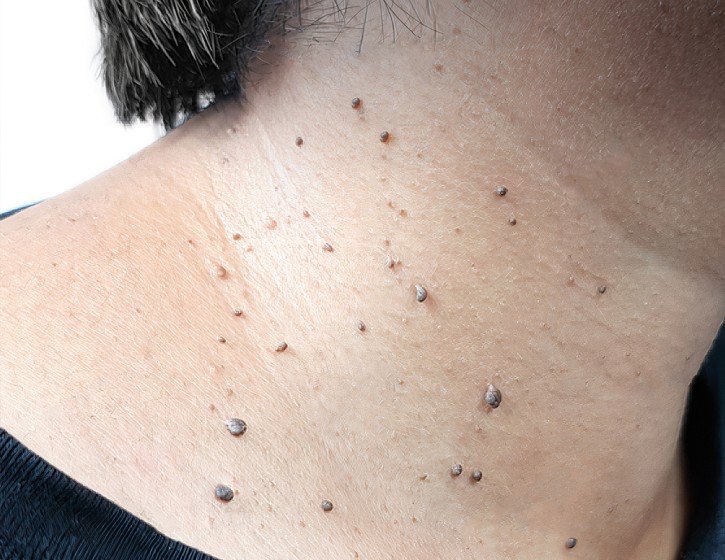
Skin tags are small, soft growths that commonly appear on areas where the skin rubs together, such as the neck, underarms, eyelids, and groin. Although they are usually harmless, they can sometimes catch on clothing, become irritated by jewellery, or cause cosmetic concerns. Before considering removal, it is important to understand what the growth is, where it is located, and which treatment approach may be appropriate.
At Bodyvie Clinic, evaluating a skin tag before a procedure is an important part of planning personalised skin care. An assessment helps establish whether the growth has the typical characteristics of a skin tag and whether removal is suitable. It also allows the clinician to consider the size, shape, location, and condition of the surrounding skin before recommending an approach.
For anyone considering Skin Tag Removal in London, understanding the assessment process can make the consultation more informative and help set realistic expectations. Rather than selecting a procedure based only on appearance, a careful evaluation considers the individual skin concern and the most appropriate next steps.
What Is a Skin Tag and Why Does It Need Assessment?
A skin tag, medically known as an acrochordon, is generally a small, benign growth made up of skin and supporting tissue. It often appears as a soft, flesh-coloured or slightly darker projection attached to the skin by a narrow stalk. Skin tags can develop gradually and may occur individually or in groups.
They are particularly common in areas exposed to repeated friction. The neck, armpits, groin, and folds beneath the breasts are frequent locations. Some people also develop skin tags around the eyelids, where their position can make everyday activities or cosmetic preferences relevant to treatment planning.
Even when a growth looks like a typical skin tag, assessment remains important because other skin conditions can sometimes resemble one. A mole, wart, or another type of skin lesion may have a similar appearance but require a different approach.
A clinician therefore evaluates the growth before recommending removal. This helps determine whether it has the expected features of a skin tag or whether further examination may be necessary before any procedure is considered.
How Does a Clinician Identify a Typical Skin Tag?
The first stage of a consultation usually involves examining the growth closely. The clinician considers its appearance, texture, attachment to the skin, and overall characteristics.
A typical skin tag is often soft, smooth, and relatively small. It may hang slightly away from the skin on a narrow stalk and usually has a colour similar to the surrounding skin, although some are darker. These features can help distinguish a skin tag from other growths, but appearance alone does not always provide a definitive diagnosis.
The clinician may also ask when the growth first appeared and whether it has changed over time. A longstanding growth that has remained stable may be assessed differently from a new lesion that is changing noticeably.
If the growth has an unusual colour, an irregular shape, unexplained bleeding, or a pattern of change that is not typical of a skin tag, the clinician may recommend further evaluation rather than proceeding directly with removal.
This distinction is an important part of Skin Tag Treatment London, as appropriate treatment begins with understanding the nature of the skin concern.
Why Are the Size and Shape of a Skin Tag Important?
The size and shape of a skin tag help the clinician understand the practical considerations involved in removal. Some skin tags are tiny and attached by a narrow stalk, while others are larger or have a broader base.
A small growth may require a different technique from a larger one. The attachment point, thickness, and overall structure can influence which removal method is appropriate and how the area should be managed afterwards.
The clinician also looks at whether the growth has a regular appearance. A typical skin tag generally has a consistent structure, whereas an irregular or unusually firm lesion may need closer examination.
It is important not to assume that a larger growth is automatically unsuitable for treatment or that a small growth can always be removed immediately. The decision depends on the complete assessment, including the location and appearance of the lesion.
By considering these details, the clinician can discuss a suitable approach based on the individual skin tag rather than applying the same method to every patient.
How Does the Location Affect the Evaluation?
The location of a skin tag is another important factor in treatment planning. Different areas of the body have different skin characteristics, and the clinician needs to consider how the location may influence the procedure.
Skin Tags on the Neck
Skin tags on the neck are common and may catch on necklaces, collars, or clothing. During assessment, the clinician considers how many growths are present, their size, and whether repeated friction has caused irritation.
Skin Tags in the Underarms
Underarm skin tags can be affected by clothing, movement, shaving, and moisture. The surrounding skin is examined for irritation, and the clinician considers how the area can be managed following treatment.
Skin Tags Around the Eyelids
Growths near the eyelids require particular care because of the delicate skin and proximity to the eyes. The exact position and size of the lesion help determine whether treatment is appropriate in the clinic or whether assessment by a specialist is advisable.
Skin Tags in Other Skin Folds
Growths beneath the breasts, around the groin, or in other folds may experience frequent rubbing. Their location and the condition of the surrounding skin are considered before selecting a removal method.
The purpose of examining the location is to help ensure that the proposed treatment is appropriate for the specific area and the characteristics of the growth.
What Questions Might Be Asked During a Skin Tag Consultation?
A consultation involves more than examining the skin. The clinician may ask questions about the growth and the patient’s medical background to understand the concern more fully.
Common questions may include:
- When did you first notice the growth?
- Has it increased in size or changed in appearance?
- Does it catch on clothing or become irritated?
- Has it bled, developed a crust, or caused discomfort?
- Have you had similar growths in other areas?
- Have you previously had any skin lesions assessed or removed?
- Are there any relevant medical conditions, allergies, or medicines that should be considered before treatment?
These questions help establish the history of the skin tag and identify details that may influence the next step.
For example, a growth that has been present for several years without noticeable change may have a different assessment pathway from one that has appeared recently and is changing rapidly. Similarly, a lesion that repeatedly becomes irritated may raise different treatment considerations from one that is being assessed solely for cosmetic reasons.
Providing accurate information helps the clinician make a more informed recommendation.
How Is the Surrounding Skin Examined?
The skin around the growth can provide useful information about the condition of the treatment area. The clinician checks for redness, inflammation, broken skin, irritation, or other visible changes.
This is particularly relevant when the skin tag is situated in an area exposed to regular friction. Repeated rubbing may make the surrounding skin sensitive or inflamed, which can affect the timing and planning of treatment.
The clinician may also assess whether there are several similar growths nearby. Multiple skin tags can sometimes occur in the same area, so identifying the number and distribution of lesions helps establish the scope of the treatment discussion.
If the surrounding skin appears irritated or another skin condition is present, the clinician may recommend addressing that concern or allowing the area to settle before proceeding.
This assessment helps ensure that the decision is based on both the individual growth and the condition of the skin around it.
Which Skin Tag Removal Method May Be Recommended?
Once the growth has been assessed, the clinician can discuss the available removal options. The most suitable method depends on the size, shape, attachment, location, and clinical appearance of the lesion.
Depending on the assessment, options may include snip excision, electrosurgery, or cryotherapy. These techniques differ in how the tissue is removed or treated, and not every method is appropriate for every skin tag.
Snip excision involves removing the growth with an appropriate sterile instrument. Electrosurgery uses controlled electrical energy to treat the tissue, while cryotherapy uses freezing to destroy selected tissue. The choice depends on the clinical circumstances and the clinician’s judgement.
The clinician should explain the recommended approach, what the procedure involves, and how the treated area may need to be cared for afterwards. If the diagnosis is uncertain, removal for cosmetic reasons should not replace appropriate investigation.
At a professional Skin Tag Removal Clinic London, the aim of the assessment is to identify a suitable treatment pathway rather than assume that one technique will work for every growth.
When Might Further Assessment Be Needed Before Removal?
Some growths should not be treated as routine skin tags without further examination. If a lesion has an unusual appearance, the clinician may recommend additional assessment before deciding whether it can be removed.
Features that may prompt further evaluation include rapid or unexplained changes in size, irregular colouring, an unusual shape, persistent bleeding, ulceration, or a firm texture that does not fit the typical appearance of a skin tag.
These features do not automatically indicate a serious condition, but they should not be ignored. A clinician may recommend a specialist skin examination, dermoscopy, or another appropriate investigation. In selected cases, a biopsy may be necessary to establish the diagnosis.
The purpose of further assessment is to make sure that the lesion has been correctly identified and that the proposed management is appropriate.
Patients should avoid attempting to cut, tie off, burn, or freeze an uncertain growth at home. Professional evaluation is particularly important when the lesion is changing or located near a sensitive area.
What Should Patients Expect After the Assessment?
Following the examination, the clinician should explain the findings and discuss whether removal is appropriate. If treatment is recommended, the consultation provides an opportunity to understand the proposed method, expected healing process, and aftercare instructions.
Some skin tags may be suitable for removal during a planned appointment, while others may require a separate procedure or further investigation first. The timing depends on the nature of the growth and the treatment selected.
Patients should also understand that removal addresses the existing growth rather than preventing every future skin tag from developing. New skin tags may appear over time, particularly in areas where friction is common.
After treatment, following the clinician’s instructions helps support the healing process. Patients should know how to keep the area clean, whether a dressing is needed, and when to seek advice if the treated area does not heal as expected.
A clear discussion before treatment helps patients understand the process and make an informed decision about their skin care.
Conclusion
Evaluating a skin tag before removal is an essential step in selecting an appropriate treatment approach. The assessment considers the growth’s appearance, size, shape, location, history, and the condition of the surrounding skin. It also helps identify lesions that may resemble skin tags but require further investigation.
For people considering Skin Tag Removal in London, a professional consultation provides an opportunity to discuss their concerns, understand the available techniques, and receive recommendations tailored to the individual skin concern.
At Bodyvie Clinic, the focus of a skin tag assessment should be on understanding the lesion before deciding on treatment. By taking the time to evaluate each growth and explain the next steps, clinicians can help patients make informed decisions about suitable skin care.
Frequently Asked Questions
1. Why does a skin tag need to be evaluated before removal?
An assessment helps confirm whether the growth has the typical characteristics of a skin tag. It also allows the clinician to consider its size, location, and appearance before recommending a suitable removal method.
2. What happens during a skin tag consultation?
The clinician examines the growth and surrounding skin, asks when it appeared, and checks whether it has changed or become irritated. Relevant medical history and treatment preferences may also be discussed.
3. Can all skin tags be removed using the same method?
No. The appropriate technique depends on the growth’s size, attachment, location, and clinical appearance. A clinician can explain which method is suitable after assessing the individual lesion.
4. Are skin tags around the eyes evaluated differently?
Yes. The skin around the eyes is delicate, and lesions close to the eyelids require particular care. The clinician may recommend an appropriately qualified specialist depending on the location and characteristics of the growth.
5. What if a growth does not look like a typical skin tag?
A growth with an unusual shape, irregular colour, rapid changes, or unexplained bleeding may need further assessment before removal. The clinician may recommend additional examination to establish the diagnosis.
6. Can I remove a skin tag at home before visiting a clinic?
Home removal is not recommended, particularly when the diagnosis has not been confirmed. Cutting, burning, or using unsuitable products can injure the skin. A professional assessment helps establish the appropriate next step.
7. Does a skin tag consultation include a discussion of aftercare?
A treatment consultation should include information about the proposed procedure and appropriate aftercare. The clinician can explain how to look after the treated area and when to seek further advice.
8. How do I choose a skin tag removal clinic in London?
Look for a clinic that provides an appropriate clinical assessment, explains the available treatment options, and refers patients for further investigation when a lesion is not clearly a skin tag. The consultation should allow you to ask questions and understand the recommended approach before proceeding.