
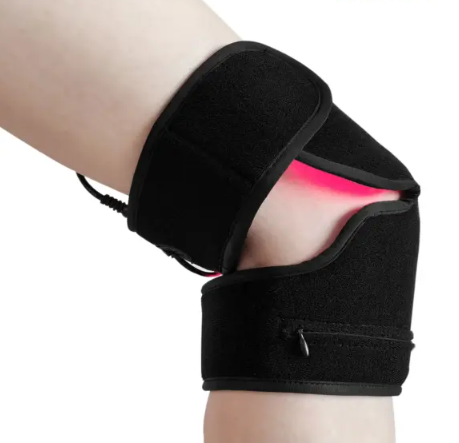
Knee comfort plays an important role in everyday activities, from walking and climbing stairs to exercising and enjoying outdoor adventures. As wellness technology develops, light-based devices are becoming an area of interest for people exploring additional ways to support their personal care routines. Red light therapy equipment is available in several formats, including flexible wraps designed to fit around the knee. Understanding how red light therapy knee devices work can help consumers compare available options and choose equipment that suits their needs.
What Is Red Light Therapy for the Knee?
Red light therapy uses devices that emit specific wavelengths of visible red light. Some products also incorporate near-infrared light, which has different characteristics and may interact with tissue differently.
Knee-focused devices are often designed as wraps with flexible panels, adjustable straps, and integrated LED light sources. Their shape allows users to position the equipment around the knee area according to the manufacturer’s instructions. Depending on the model, features may include different intensity settings, timers, rechargeable batteries, and convenient controls.
Before selecting a device, it is important to understand its wavelength specifications, light output, treatment recommendations, and intended application. Products can vary considerably, and their features should be compared carefully.
Exploring the Potential of Red Light Technology
Red and near-infrared light are studied in a field known as photobiomodulation. Research has explored their effects on biological processes, including applications related to pain and musculoskeletal conditions. However, outcomes can differ depending on the condition, device specifications, treatment protocol, and individual circumstances.
Some people explore red light therapy as a complementary part of a broader wellness routine. Nevertheless, a knee wrap should not be considered a guaranteed treatment for joint pain, arthritis, injuries, or inflammation. Evidence is not equally strong for every application, and consumer devices may differ from equipment used in clinical research.
Anyone experiencing persistent knee pain, significant swelling, difficulty walking, or an injury should seek advice from a qualified healthcare professional. Red light therapy should not replace medical assessment, rehabilitation, or prescribed treatment.
How to Choose the Right Knee Therapy Wrap
When comparing products, consider the following factors:
- Wavelength specifications: Look for clear details about red and near-infrared light output.
- Fit and flexibility: Adjustable straps can help the wrap fit securely without unnecessary pressure.
- Coverage area: Check whether the light-emitting section is designed to cover the intended knee area.
- Light output: Review available irradiance specifications and recommended treatment distance.
- Ease of use: Timers, simple controls, and rechargeable power options may improve convenience.
- Safety guidance: Follow instructions concerning exposure time, positioning, cleaning, and contraindications.
Choose products with transparent technical information rather than relying solely on broad promotional claims.
Discover Knee Light Therapy Solutions from SinocoTherapy
SinocoTherapy offers light therapy equipment for wellness applications. Its red light therapy knee page provides a starting point for exploring knee-focused wraps and related product options.
Consumers, wellness providers, and distributors can review product designs and specifications to identify equipment that matches their requirements. Clear documentation and practical features help simplify the selection process.
Make an Informed Wellness Choice
Red light therapy knee wraps offer a convenient format for exploring modern light-based technology. The most suitable option depends on the device’s specifications, intended use, and individual needs. By researching products carefully and consulting healthcare professionals when necessary, consumers can make informed decisions about incorporating light therapy equipment into a responsible wellness routine.