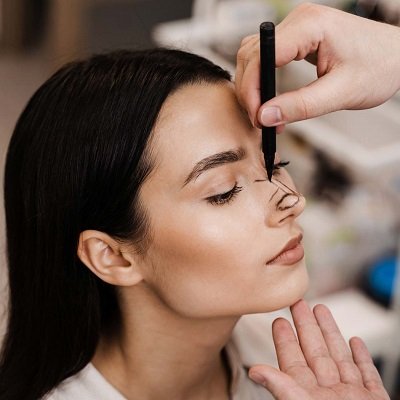
Nose reshaping surgery, also known as rhinoplasty, can help improve the appearance of the nose and, in some cases, address structural problems that affect breathing. After the procedure, however, patients need to take certain precautions to protect the healing nasal tissues. One common question is whether wearing glasses is safe during recovery.
For individuals considering Nose Reshaping Surgery in Muscat, understanding how glasses may affect the healing process is an important part of preparing for surgery. Prescription glasses, sunglasses, and reading glasses often rest directly on the nasal bridge, where pressure can interfere with healing after certain types of rhinoplasty. Even when the glasses feel lightweight, their weight may place unnecessary pressure on tissues that are still recovering.
In most cases, patients are advised to avoid resting glasses directly on the nose during the early recovery period, particularly when the nasal bones have been reshaped. The exact duration depends on the surgical technique, the extent of the procedure, and the individual’s healing progress. Some patients may need to use temporary alternatives until the nose is sufficiently stable.
Knowing when glasses can be worn again, how to manage vision needs during recovery, and which precautions matter most can help patients protect their results and feel more comfortable throughout the healing journey.
Why Is Wearing Glasses a Concern After Nose Reshaping Surgery?
After rhinoplasty, the nose undergoes several stages of healing. The skin, soft tissues, cartilage, and, in some cases, nasal bones need time to recover from surgical changes. During this period, the nose may be swollen, sensitive, and more vulnerable to pressure than usual.
Glasses typically rest on the nasal bridge through their nose pads or frame. This creates a concentrated point of pressure, which may be problematic when the underlying structures are still healing.
If the procedure involves reshaping or repositioning the nasal bones, pressure from glasses may interfere with the desired positioning during the early recovery period. Although wearing glasses does not automatically damage surgical results, unnecessary pressure can increase the risk of complications in certain circumstances.
There are several reasons patients are generally advised to exercise caution:
- Pressure on healing bones: When nasal bones have been modified, they need time to stabilize before tolerating the regular pressure of glasses.
- Increased discomfort: Swelling and tenderness can make even lightweight frames uncomfortable.
- Skin irritation: Nose pads may press against sensitive skin or leave marks on swollen tissues.
- Potential effects on the final contour: Excessive or repeated pressure during early healing may affect the tissues or structures that are still settling.
The level of concern depends on the type of rhinoplasty performed. A procedure involving significant changes to the nasal bridge may require more precautions than one focused mainly on the nasal tip. The operating surgeon’s instructions should therefore take priority over general recommendations.
For anyone researching Nose Reshaping Surgery in Muscat, discussing glasses use before the procedure can help ensure that appropriate arrangements are available during recovery.
How Long Should Patients Wait Before Wearing Glasses After Rhinoplasty?
There is no single timeline that applies to every patient. The recommended waiting period depends on whether the nasal bones were reshaped, how extensive the operation was, and how well the nose is healing.
In many cases, patients are advised to avoid placing glasses directly on the nasal bridge for approximately four to six weeks after surgery, especially when the nasal bones have been altered. Some procedures may require a longer period of protection, and the surgeon may recommend avoiding direct pressure for several additional weeks or months.
During the initial recovery phase, a splint may be placed over the nose to provide support and protection. Glasses should not be placed over the splint unless the surgical team specifically confirms that doing so is safe. Even after the splint is removed, the underlying tissues may remain vulnerable.
The following stages offer a general guide to what patients may experience:
First week: Swelling, tenderness, and protective dressings are common. Glasses should generally not rest on the nose unless specifically permitted by the surgical team.
Weeks two to four: External swelling may begin to improve, but the nasal structures may not yet be sufficiently stable for ordinary glasses. Alternative ways to support eyewear may still be necessary.
Weeks four to six: Some patients may receive permission to resume wearing glasses, depending on the surgical procedure and healing progress. Those who have undergone significant bone reshaping may need to wait longer.
After six weeks: Many patients can gradually return to normal eyewear use once cleared by their surgeon. However, the timing may vary, and some cases require additional precautions.
These timeframes are general examples rather than fixed medical rules. Patients should not assume that glasses are safe simply because a particular number of weeks has passed. A follow-up examination is the best way to determine whether the nose can tolerate direct pressure.
What Are the Best Alternatives to Glasses During Recovery?
Patients who rely on prescription eyewear may find it challenging to avoid wearing glasses after surgery. Fortunately, several temporary alternatives may help them see clearly without placing pressure on the healing nasal bridge.
The most appropriate option depends on the patient’s vision needs, comfort, and medical circumstances.
1. Contact lenses
Contact lenses may be a practical option for patients who already use them or are suitable candidates. They eliminate pressure on the nasal bridge and allow patients to carry out many daily activities without relying on glasses.
However, contact lenses may not be suitable for everyone. Some people experience dry eyes, irritation, or difficulty inserting and removing lenses. Patients should ask their eye care professional and surgical team when it is appropriate to use them after surgery, particularly if swelling, medication, or temporary changes in daily routines affect their ability to handle lenses comfortably.
2. Glasses support devices
Certain support systems are designed to hold glasses away from the nasal bridge. These may include forehead supports, specialized frames, or devices that transfer the weight of the glasses to another part of the face.
Such devices should be selected carefully. They must not press against the healing nose, disturb surgical dressings, or interfere with the splint. The surgical team should approve the chosen support method before it is used.
3. Taping glasses to the forehead
In some situations, glasses can be supported by carefully securing the frame to the forehead so that the bridge does not touch the nose. This method may help some patients, but it should only be used if the surgeon confirms that the arrangement is appropriate.
Tape must not pull on healing skin, disturb dressings, or create pressure on the nasal bridge. Patients should follow any specific instructions provided during recovery.
4. Temporary prescription arrangements
For patients who cannot comfortably use contact lenses, an eye care professional may suggest temporary prescription options or help adjust an existing eyewear setup. This can be particularly useful for individuals with significant vision correction needs.
Those considering Nose Reshaping Surgery in Muscat should discuss their usual eyewear habits before surgery. Planning ahead can reduce inconvenience and help patients follow postoperative instructions more consistently.
How Can Patients Protect Their Nose While Wearing Glasses Again?
Returning to glasses should be a gradual and carefully managed process. Even when the initial recovery period has passed, patients should make sure their nasal bridge can tolerate the pressure of the frames.
The first step is to obtain clearance from the surgeon. This is especially important for patients whose nasal bones were fractured, repositioned, or reshaped during the operation.
Once wearing glasses is approved, the following precautions may help:
- Choose lightweight frames: Lighter glasses may reduce pressure on the nasal bridge, although they should still be used only when permitted.
- Check the fit: Poorly fitted frames can concentrate pressure on small areas of the nose. An optician may be able to adjust the frame after the surgeon confirms that doing so is appropriate.
- Avoid tight nose pads: Nose pads should not dig into the skin or create discomfort.
- Limit unnecessary pressure: Patients should avoid repeatedly pushing glasses up the bridge of the nose or resting their hands on the nose while wearing them.
- Follow postoperative instructions: Recommendations may differ depending on the procedure and the condition of the nasal tissues.
- Attend follow-up appointments: Regular examinations allow the surgical team to monitor healing and advise when normal activities can resume.
Patients should also avoid changing their glasses fit without considering how the adjustment affects pressure distribution. A frame that feels comfortable may still place force on a healing area.
If glasses cause pain, leave persistent marks, or produce new swelling, patients should stop using them and contact their surgical team for advice. Sudden changes in nasal shape or significant discomfort also deserve prompt medical assessment.
What Other Recovery Precautions Matter After Nose Reshaping Surgery?
Glasses are only one part of postoperative care. Protecting the nose during the healing period involves several everyday habits that can influence comfort and recovery.
Patients are generally encouraged to avoid activities that could lead to accidental impact, especially during the early weeks. Contact sports, rough play, and other activities with a risk of facial injury may need to be postponed until the surgeon confirms that the nose is sufficiently healed.
Sleeping with the head elevated, when recommended, may help reduce swelling. Patients should avoid placing pressure on the nose while sleeping and should follow instructions regarding nasal splints, dressings, cleaning, and medication.
Sun protection is also important because healing skin can be sensitive. Patients should ask when sunscreen and other skincare products can safely be used around the operated area.
It is equally important to distinguish normal healing symptoms from warning signs. Mild swelling, bruising, and tenderness are common after rhinoplasty. However, worsening pain, fever, increasing redness, unusual discharge, heavy bleeding, or sudden changes in nasal appearance require medical attention. Significant breathing difficulties should also be assessed promptly.
The recovery experience varies from person to person. Factors such as the extent of the surgery, skin characteristics, general health, and adherence to postoperative instructions may affect the pace of healing.
For individuals seeking Nose Reshaping Surgery in Muscat, choosing a qualified specialist and understanding the complete recovery plan can make the process more manageable. A good plan should address everyday concerns, including glasses, sleep, work, exercise, and follow-up care.
Frequently Asked Questions
1. Can patients wear glasses immediately after nose reshaping surgery?
Patients are generally advised not to place glasses directly on the nasal bridge immediately after surgery, particularly when the nasal bones have been reshaped. The pressure may cause discomfort and could interfere with healing. Temporary alternatives may be recommended until the surgeon confirms that glasses can be worn safely.
2. How many weeks should patients wait before wearing glasses after rhinoplasty?
Many patients need to avoid direct pressure from glasses for approximately four to six weeks, although the recommended period varies. Procedures involving significant changes to the nasal bones may require longer precautions. The surgeon should determine when regular eyewear can be resumed.
3. Are sunglasses safe after nose reshaping surgery?
Sunglasses can place pressure on the nasal bridge in the same way as prescription glasses. Their weight and frame design may influence how much pressure they create. Patients should avoid wearing sunglasses directly on the nose until the surgical team confirms that it is safe.
4. Can contact lenses be used instead of glasses after rhinoplasty?
Contact lenses may be a useful alternative because they do not rest on the nose. Patients who already use contact lenses can ask their healthcare professionals when they can safely resume wearing them. Anyone new to contact lenses should seek guidance from an eye care professional.
5. What should a patient do if glasses accidentally press against the nose after surgery?
A brief accidental touch does not necessarily mean the surgical result has been damaged. The patient should remove the pressure and monitor the area. If there is significant pain, new swelling, bleeding, or a visible change in the nasal shape, the surgical team should be contacted promptly.
6. Can wearing glasses change the final results of nose reshaping surgery?
Excessive pressure during early healing may pose a risk, particularly after nasal bone reshaping. However, the effect depends on the procedure, the stage of recovery, and the amount of pressure involved. Following postoperative instructions and obtaining clearance before resuming glasses can help protect the result.
Understanding when and how to wear glasses after rhinoplasty can make recovery more comfortable and help patients avoid unnecessary pressure on healing tissues. Although many patients can return to their usual eyewear after an appropriate waiting period, the safest timeline depends on the surgical technique and individual healing progress.
Anyone considering Nose Reshaping Surgery in Muscat should discuss eyewear requirements during the initial consultation and follow the recommended postoperative plan. With suitable preparation, careful protection, and regular follow-up, patients can work toward a smoother recovery while protecting their nasal health.
Read More About Nose Reshaping Surgery: https://cityofarticle.in.net/article/nose-reshaping-surgery-and-facial-harmony-a-beginners-guide