
When employees feel understood and supported, they are more likely to participate actively, communicate openly, and take responsibility for their work. Corporate Training Singapore can help you address these workplace needs through behavioural awareness, personality profiling, and practical employee development strategies.
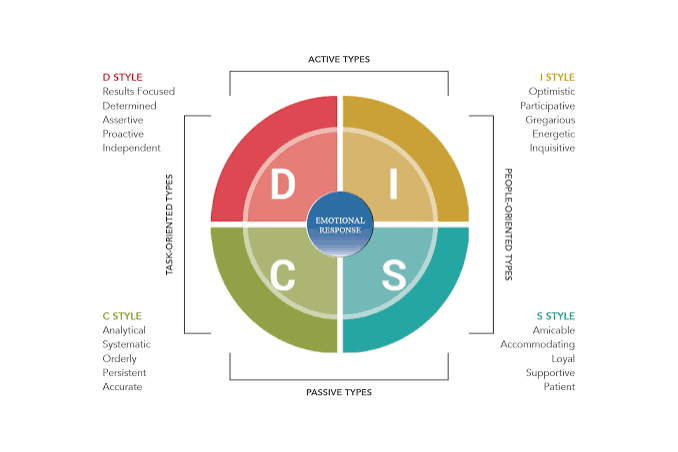
At DISCAsiaPlus, the DISC model combines four behavioural dimensions Dominance, Influence, Steadiness, and Conscientiousness with an additional Emotional Response dimension. This approach helps you understand not only how employees behave but also how emotional pressure may influence their motivation, communication, and workplace relationships.
Why Does Employee Motivation Sometimes Decline?
You may notice that an employee who once contributed ideas now remains silent during meetings. Another may complete assigned tasks but show little interest in taking on new responsibilities. These changes do not always indicate poor commitment.
An employee may feel overwhelmed by unclear expectations, receive feedback that does not suit their communication preferences, or struggle with a working environment that conflicts with their natural behavioural style.
Behavioural training gives you a practical framework for examining these situations. Rather than relying on assumptions, you can ask better questions, identify possible barriers, and discuss what support may help each employee contribute more confidently.
5 Ways Behavioural Training Can Improve Motivation and Engagement
1. Understand Individual Behavioural Preferences
Different employees respond to different working conditions. A person with a strong Dominance preference may appreciate clear goals and decision-making freedom, while someone with a strong Steadiness preference may value stability, cooperation, and predictable expectations.
DISCAsiaPlus profiling helps you recognise these differences and consider how they affect everyday work.
When you understand an employee’s preferences, you can tailor your approach without treating every person in exactly the same way. This can help you create a working environment where individual contributions receive appropriate support.
2. Recognise the Emotional Factors Behind Behaviour
Observable behaviour does not always reveal what a person is experiencing internally. An employee who becomes unusually quiet may be dealing with uncertainty, criticism, or mounting pressure.
The Emotional Response dimension in DISCAsiaPlus adds another perspective by examining emotional reactions and distress alongside behavioural patterns.
This insight encourages you to approach difficult situations with greater care. Instead of labelling an employee as uncooperative, you can initiate a private conversation, listen without rushing to judgment, and discuss practical ways to address the underlying concern.
3. Improve Communication and Feedback
Feedback can motivate an employee when it is clear, respectful, and relevant. However, vague instructions or overly blunt criticism may create confusion or defensiveness.
You can use behavioural insights to adjust how you explain expectations, recognise achievements, and discuss performance concerns.
For example, when an employee needs more structure, you can provide clear steps and agreed deadlines. When another prefers independence, you can focus on the expected outcome and allow room for personal initiative.
The goal is not to change someone’s personality. It is to communicate in a way that supports understanding and accountability.
4. Connect Employee Strengths With Meaningful Work
Motivation can suffer when an employee’s responsibilities do not make good use of their abilities or interests. Behavioural profiling can help you start a discussion about suitable responsibilities, development opportunities, and working preferences.
Suppose an employee enjoys building relationships but spends most of the day completing isolated administrative tasks. You could discuss opportunities to contribute to client communication or collaborative projects, where appropriate to the role.
DISCAsiaPlus also offers profiling reports that provide insights into strengths, potential risks, preferred environments, and development needs. These insights can support more focused conversations about job enrichment and career development.
5. Build Stronger Team Relationships
Engagement is influenced by the quality of workplace relationships. When different behavioural styles clash, misunderstandings can affect cooperation and willingness to contribute.
You can use team profiling to understand how working preferences interact across a group. A team may benefit from recognising the need for both quick decisions and careful analysis, or balancing relationship-building with consistent follow-through.
With these insights, you can set clearer expectations, encourage respectful dialogue, and help employees appreciate different contributions.
How Can You Apply Behavioural Training at Work?
You can turn behavioural insights into practical action through a simple process:
- Identify the concern: Pinpoint whether low engagement relates to communication, workload, unclear goals, or team relationships.
- Understand behavioural preferences: Use appropriate profiling tools and individual conversations to gain context.
- Agree on specific actions: Set realistic goals for communication, feedback, collaboration, or personal development.
- Apply the learning: Practise through real workplace scenarios, coaching conversations, and team activities.
- Review progress: Discuss changes in participation, communication quality, and progress towards agreed goals.
You can also review the DISCAsiaPlus Personality Profiling page to learn about individual and team reports designed to support engagement strategies and talent development.
Frequently Asked Questions
1. What is behavioural training in the workplace?
Behavioural training helps you understand working styles, communication preferences, and responses to workplace situations so that you can support more effective professional relationships.
2. Can personality profiling improve employee motivation?
It can support motivation by helping you understand individual preferences, recognise potential barriers, and discuss suitable development opportunities. Results depend on how thoughtfully you apply the insights.
3. How does Emotional Response relate to employee engagement?
Emotional Response provides additional insight into how distress and pressure may influence behaviour. This can help you approach changes in participation or communication with greater understanding.
4. Is DISCAsiaPlus suitable for team development?
Yes. Its individual and team reports offer behavioural insights that can support communication, team relationships, management approaches, and employee development.
5. How can you tell whether behavioural training is working?
You can monitor practical indicators such as participation in meetings, the quality of feedback conversations, cooperation across tasks, and progress towards agreed development goals.
6. Should you use personality profiles to judge employee performance?
No. Use profiles as a starting point for discussion, not as a substitute for direct observation, job-related performance criteria, or conversations about individual circumstances.
Make Employee Engagement Part of Everyday Leadership
Employee motivation rarely depends on a single incentive or training session. It also depends on whether people feel understood, receive useful feedback, and have opportunities to contribute meaningfully.
DISCAsiaPlus gives you a structured way to consider behavioural preferences and emotional responses when planning employee development. When you apply these insights thoughtfully, you can make everyday conversations more constructive and create better conditions for employees to participate, collaborate, and grow.