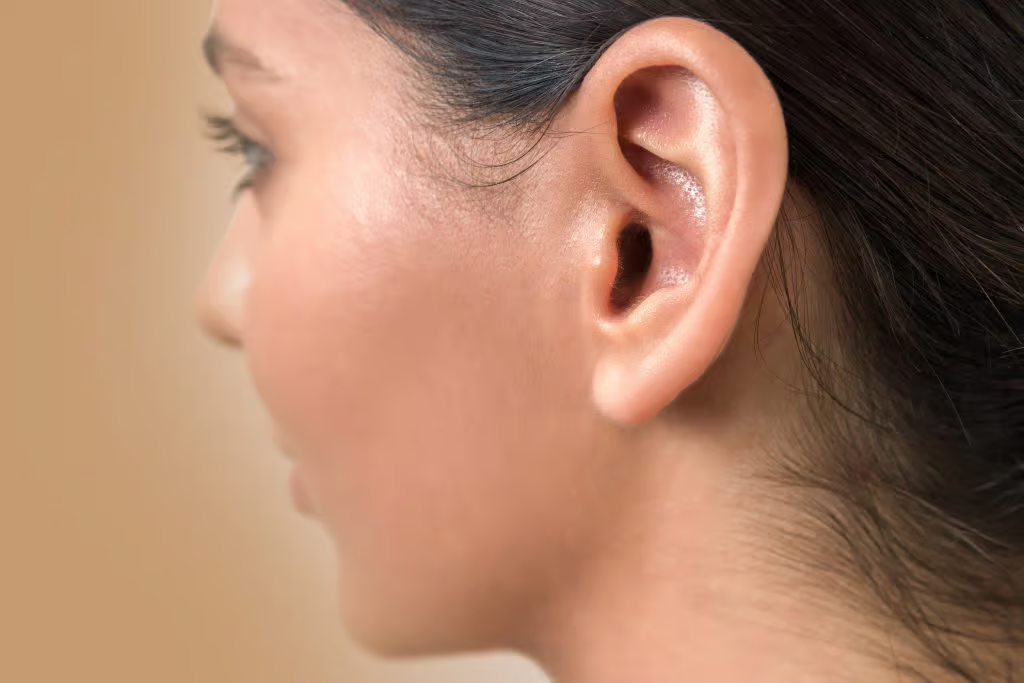
Ear shape and position can influence the overall balance of the face, making even small changes feel significant. For individuals who feel that their ears protrude, appear uneven, or have an unusual shape, ear reshaping can offer an opportunity to achieve a more balanced appearance. Understanding what changes after Ear Reshaping Surgery in Dubai helps individuals develop realistic expectations about the procedure, the healing process, and the results that may gradually become visible. The transformation is not simply about changing the ears; it is about creating a natural appearance that complements the person’s existing facial features.
How Ear Reshaping Surgery Changes the Appearance of the Ears
Ear reshaping surgery, also known as otoplasty, is designed to modify the shape, position, or proportions of the outer ears. The procedure can address prominent ears, asymmetrical ear placement, and certain structural differences that affect the overall appearance.
The changes depend on the individual’s anatomy and the specific concerns being addressed. Some people want their ears to sit closer to the head, while others seek a more defined fold or improved symmetry between both ears.
The main changes may include a more balanced ear position, a refined outer-ear contour, improved symmetry, and a natural relationship between the ears and the surrounding facial features. The aim is to create a harmonious appearance rather than make the ears look identical or artificially positioned.
What Happens During the Ear Reshaping Process?
The process begins with an assessment of the ear structure, cartilage, skin, and overall facial proportions. This evaluation helps determine which surgical approach may be appropriate for the individual’s needs.
During the procedure, the surgeon may reshape or reposition the cartilage to achieve the intended contour. The exact technique depends on whether the concern involves protrusion, an underdeveloped natural fold, or another structural feature.
In many cases, incisions are placed behind the ears or within natural creases to make resulting scars less noticeable. The cartilage may then be adjusted and secured to support the desired position.
The procedure is generally performed using local anesthesia with sedation or general anesthesia, depending on the individual’s circumstances and the surgical plan. The approach is personalized to the ear’s existing structure and the changes being considered.
What Changes Can Be Expected After Ear Reshaping Surgery?
Improved Ear Position
One of the most noticeable changes can be a reduction in how far the ears project from the sides of the head. When prominent ears are repositioned, they may appear more proportionate to the face.
This adjustment can change the overall facial silhouette without altering the person’s natural identity. The goal is a balanced position that looks appropriate from the front, side, and other viewing angles.
Better Definition of Ear Folds
Some individuals have ears with less-defined folds, particularly in the upper cartilage. Reshaping can create or improve these contours, giving the outer ear a more defined appearance.
The final shape depends on the flexibility, thickness, and natural structure of the cartilage. A carefully planned result should complement the person’s anatomy instead of creating an overly sharp or unnatural contour.
Greater Symmetry Between the Ears
Natural ears are rarely perfectly identical. Differences in size, angle, and shape are common, even among individuals who have never considered surgery.
Ear reshaping may help reduce noticeable differences between the two sides. However, complete symmetry cannot always be achieved because the underlying anatomy may vary.
A More Balanced Facial Profile
The position of the ears can influence how the face looks from the side and at an angle. Adjusting prominent ears may create a more balanced relationship between the ears, cheeks, and head.
Although the procedure focuses on the ears, the resulting change can influence the overall facial silhouette. The best outcome is one that appears natural and remains consistent with the individual’s features.
Understanding the Two Main Ear Reshaping Approaches
Ear reshaping can involve different techniques depending on the desired result. Two commonly discussed approaches are traditional surgical otoplasty and cartilage-preserving or cartilage-sparing techniques. Both aim to improve ear shape or position, but they differ in how the cartilage is adjusted.
Traditional Surgical Otoplasty
Traditional otoplasty may involve reshaping, scoring, or repositioning the cartilage to achieve a more balanced ear contour. Sutures may be used to create a natural fold or hold the ear in a new position.
This approach can be suitable for individuals whose ears require a more substantial structural adjustment. The precise technique depends on the existing cartilage, the degree of prominence, and the intended change.
The procedure is planned around the individual’s anatomy, with attention to creating a proportionate result and keeping incisions as discreet as possible.
Cartilage-Sparing Ear Reshaping
Cartilage-sparing techniques aim to change the ear’s position or contour while minimizing the need to cut or remove cartilage. Sutures may be used to encourage the cartilage to bend into a more desirable shape.
This approach may be considered when the existing cartilage can be repositioned without extensive structural alteration. Its suitability depends on the ear’s shape, firmness, and the correction required.
Neither technique is universally better for every individual. A qualified surgical professional can explain which approach is appropriate after examining the ears and discussing the desired outcome.
What Changes During the Healing Process?
The appearance of the ears develops gradually after surgery. Immediately following the procedure, the ears may look different from their eventual result because the tissues need time to settle.
During the early healing period, swelling and temporary changes in contour can make the ears appear fuller or less defined than expected. These changes generally improve as recovery progresses.
As the tissues settle, the new ear position and shape become easier to assess. The time required for the final contour to emerge varies according to the surgical technique, individual healing patterns, and the extent of correction.
The surgical team provides personalized recovery instructions, including guidance about dressings, activity restrictions, and protecting the ears while they heal. Following these instructions supports recovery and helps maintain the intended position.
How Ear Reshaping Can Influence Confidence
Changes in ear appearance can affect how people feel about their facial features. Individuals who have felt self-conscious about prominent or uneven ears may appreciate having a shape that feels more consistent with their preferences.
For some, the change may make hairstyles easier to choose or reduce the desire to conceal the ears in photographs. Others may simply feel more comfortable with their appearance during everyday activities.
However, personal confidence is influenced by many factors, and surgery does not guarantee a particular emotional outcome. Realistic expectations and a clear understanding of the intended changes are important parts of the decision-making process.
Who May Consider Ear Reshaping Surgery?
Ear reshaping may be considered by adults and children whose ears have developed sufficiently for the proposed procedure. The appropriate timing depends on the person’s age, cartilage development, health, and specific concerns.
Potential candidates may include individuals who have prominent ears, noticeable differences between the ears, or cartilage folds that create an appearance they would like to change.
A consultation helps establish whether surgery is suitable and whether the expected changes are realistic. It also provides an opportunity to discuss the intended shape, surgical technique, recovery requirements, and individual preferences.
Frequently Asked Questions
Does Ear Reshaping Permanently Change Ear Shape?
Otoplasty is intended to produce a lasting change in ear shape or position. However, the final outcome depends on the technique used, tissue healing, and individual anatomy. The ears may continue to change naturally over time.
When Do the Results Become Noticeable?
A difference in ear position may be visible soon after surgery, although early swelling can affect the appearance. The contour usually becomes clearer as healing progresses, and the final result may take several weeks or months to settle fully.
Can Both Ears Be Reshaped During One Procedure?
Yes, both ears can often be treated during the same operation when correction is needed on both sides. The surgical plan depends on the individual’s anatomy and the changes required for each ear.
Will the Ears Look Completely Identical After Surgery?
The aim is to improve balance and reduce noticeable asymmetry, not necessarily to create identical ears. Small differences may remain because each ear has its own natural structure.
Is Ear Reshaping Suitable for Every Type of Ear Shape?
Not every concern can be addressed using the same technique. Suitability depends on the cartilage, skin, ear position, and desired correction. An individual assessment helps determine the most appropriate approach.
Conclusion
Ear reshaping can create meaningful changes in ear position, cartilage definition, symmetry, and overall facial balance. Understanding the available surgical approaches and the gradual nature of healing helps individuals form realistic expectations before making a decision. Ear Reshaping Surgery in Dubai is best understood as a personalized procedure in which the desired outcome depends on natural anatomy, careful surgical planning, and appropriate recovery. Whether traditional otoplasty or a cartilage-sparing technique is considered, the central goal is to achieve a balanced, natural-looking ear shape that complements the individual’s facial features and personal preferences.