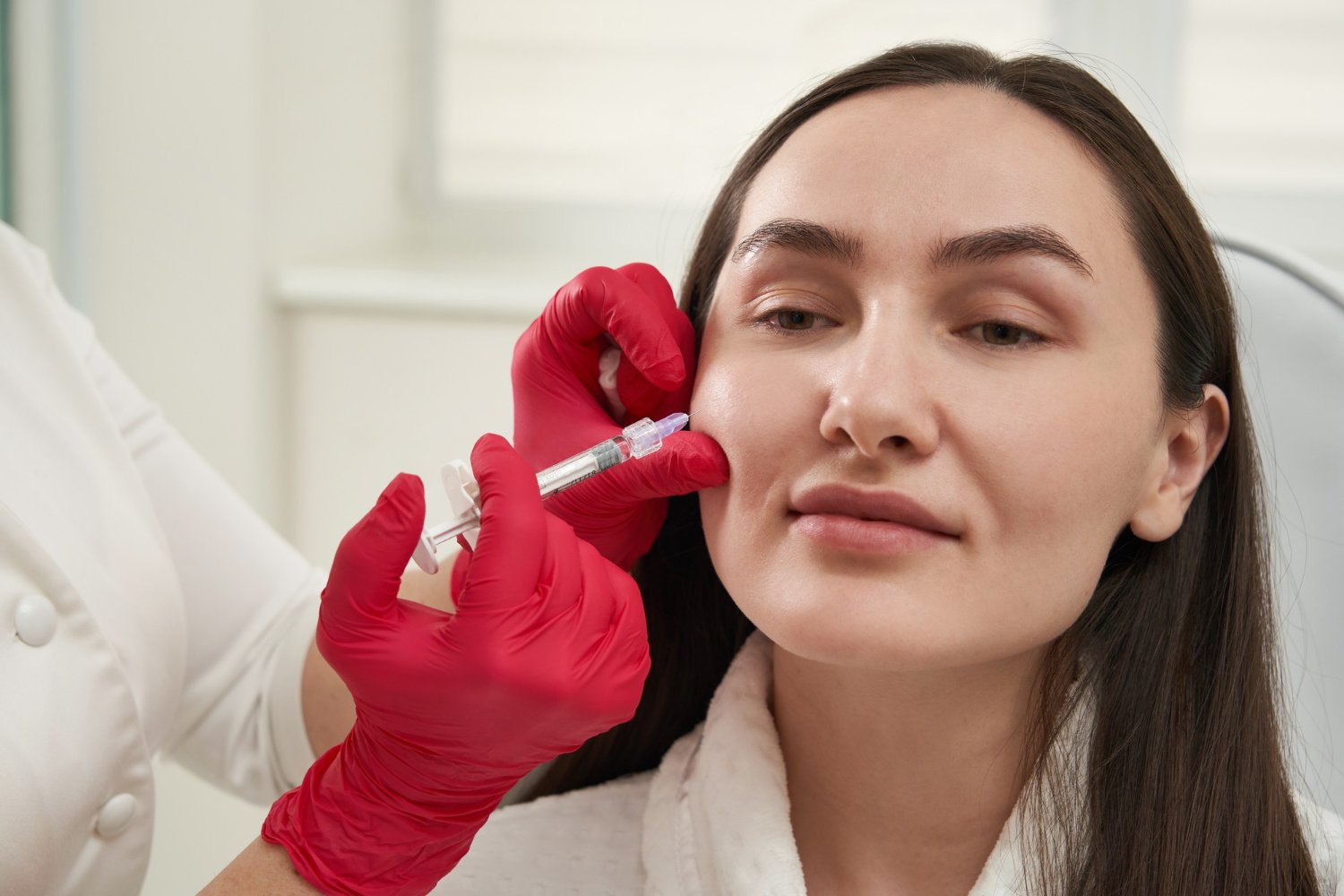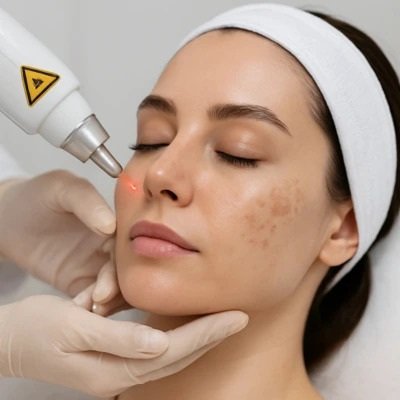
Skin pigmentation is a common skin concern that can appear as dark spots, uneven skin tone, brown patches, or areas of discoloration. These changes may develop due to sun exposure, hormonal fluctuations, acne marks, or the skin’s natural production of melanin. Although pigmentation can affect different skin types, modern dermatology offers several approaches to improve the appearance of uneven skin tone and support a clearer-looking complexion.
Skin Pigmentation Treatment In Dubai includes a range of dermatologist-guided solutions designed to address different forms of discoloration. From professional skin assessments and topical skincare to advanced laser technologies and chemical peels, treatment options can be selected according to the type of pigmentation, skin characteristics, and individual goals.
At Perla Dermatology Clinic, patients can explore personalized dermatological care focused on understanding their skin concerns and identifying suitable options for a more even-looking complexion.
Understanding Skin Pigmentation and Its Causes
Skin pigmentation refers to the color of the skin, which is primarily influenced by melanin, a natural pigment produced by specialized cells called melanocytes. When melanin production or distribution becomes uneven, darker areas may develop on the face or other parts of the body.
Pigmentation can appear in different forms, and identifying the underlying cause is an important step in selecting an appropriate treatment approach.
Sun-Induced Pigmentation
Frequent exposure to ultraviolet radiation can contribute to dark spots, uneven skin tone, and other visible signs of sun damage. Areas that receive regular sunlight, such as the forehead, cheeks, nose, and hands, may be particularly affected.
Consistent sun protection is an important part of managing existing pigmentation and helping prevent the appearance of additional dark spots.
Melasma
Melasma is characterized by brown or grayish-brown patches, commonly appearing on the cheeks, forehead, upper lip, and chin. Hormonal changes and ultraviolet exposure are among the factors associated with this condition.
Melasma often requires a carefully selected treatment plan because the pigmentation can be persistent and may need ongoing management.
Post-Inflammatory Hyperpigmentation
Post-inflammatory hyperpigmentation develops when the skin produces excess pigment following inflammation or irritation. It may appear after acne, insect bites, or other skin conditions.
These marks can remain visible after the original concern has settled. Treatment focuses on improving discoloration while supporting the skin’s natural recovery process.
Age-Related Dark Spots
Dark spots may become more noticeable over time, particularly on areas frequently exposed to sunlight. Often called sunspots or age spots, these areas can contribute to an uneven complexion.
A dermatologist can assess the spots and determine whether pigmentation-focused treatment is appropriate.
Why Professional Pigmentation Treatment Matters
Pigmentation does not have a single cause, so the same treatment may not produce the same results for everyone. Some concerns respond well to topical skincare, while others may benefit from procedures performed by qualified dermatology professionals.
A professional assessment helps distinguish between different pigmentation patterns and supports a more targeted approach.
At Perla Dermatology Clinic, patients can discuss their skin concerns and explore suitable treatment options based on their complexion, skin history, and desired outcomes.
Modern Skin Pigmentation Treatment Options in Dubai
Advances in aesthetic dermatology have introduced several methods for improving the appearance of uneven skin tone. The most appropriate option depends on the type, depth, and extent of pigmentation, as well as the individual’s skin characteristics.
Topical Treatments for Uneven Skin Tone
Topical skincare products are commonly used to support pigmentation management. Depending on the diagnosis, a dermatologist may recommend ingredients that help regulate melanin production, improve skin renewal, or reduce the appearance of dark spots.
Commonly considered ingredients include vitamin C, niacinamide, azelaic acid, and selected retinoids. Other prescription-based ingredients may be appropriate for certain conditions under professional supervision.
A consistent routine and realistic expectations are important because improvements generally develop gradually rather than overnight.
Chemical Peels for Skin Renewal
Chemical peels use carefully selected solutions to encourage the removal of surface skin cells and promote skin renewal. Depending on the formulation and treatment depth, they may help improve certain forms of superficial pigmentation and uneven texture.
A dermatologist assesses the skin before recommending a peel. The formulation and treatment schedule should be selected according to the pigmentation concern and individual skin characteristics.
Professional guidance is especially important for people prone to post-inflammatory hyperpigmentation, as an unsuitable treatment may worsen discoloration.
Laser Treatments for Pigmentation
Laser technologies are used in dermatology to target selected pigment-related concerns. Different devices operate at different wavelengths and may be suitable for specific types of dark spots or pigmentation patterns.
Laser treatment is not a universal solution for every pigmentation concern. A detailed skin assessment helps determine whether a particular device is appropriate and what degree of improvement may be realistic.
Treatment planning should also consider the patient’s skin tone, the depth of pigmentation, and the possibility that some conditions may require ongoing care.
Intense Pulsed Light Treatments
Intense pulsed light, commonly known as IPL, uses broad-spectrum light to address selected forms of discoloration and visible sun damage. It may be considered for appropriate candidates with certain superficial pigment concerns.
IPL is different from laser treatment, and suitability depends on the individual’s skin characteristics and the nature of the pigmentation. A dermatologist can explain whether this technology fits the treatment plan.
Medical-Grade Skincare Programs
A dermatologist-guided skincare program can complement professional procedures or serve as a starting point for managing mild pigmentation concerns.
Such programs may include a gentle cleanser, a suitable moisturizer, targeted skincare ingredients, and broad-spectrum sunscreen. The products should be selected to support the skin barrier while addressing the underlying concern.
A well-planned skincare routine can also help maintain improvements achieved through professional treatment.
How to Choose the Best Treatment For Pigmentation In Dubai
Finding the Best Treatment For Pigmentation In Dubai starts with understanding the cause of the discoloration rather than choosing a procedure based only on popularity.
A treatment that works for isolated sunspots may not be suitable for melasma or pigmentation that develops after inflammation. For this reason, individualized assessment is more useful than a one-size-fits-all approach.
Consider the Type of Pigmentation
The first step is determining whether the pigmentation is associated with sun exposure, melasma, post-inflammatory changes, or another skin condition. This assessment helps narrow the range of suitable options.
Understand Your Skin Type
Different skin tones can respond differently to cosmetic procedures. Treatment selection should account for the skin’s tendency to develop pigmentation following irritation and the characteristics of the area being treated.
Set Realistic Expectations
Pigmentation often improves gradually, and some conditions require ongoing management. The number of sessions, expected timeline, and degree of improvement vary according to the diagnosis and treatment method.
A clear discussion with a dermatologist helps establish practical expectations before treatment begins.
Prioritize a Personalized Treatment Plan
An appropriate treatment plan may combine professional procedures with topical skincare and sun protection. The combination should be selected according to the individual’s needs rather than assuming that multiple treatments are always necessary.
What to Expect During a Pigmentation Consultation
A consultation is an important part of the treatment process because it helps establish the nature of the skin concern and identify suitable next steps.
Skin Assessment
The dermatologist reviews the appearance, location, and distribution of pigmentation. Questions about skincare habits, previous treatments, sun exposure, and when the discoloration first appeared may also help clarify the likely cause.
Discussion of Treatment Options
After assessing the skin, the dermatologist explains the available approaches and their suitability. Depending on the diagnosis, these may include topical treatments, chemical peels, laser-based procedures, or a combination of methods.
A Personalized Care Plan
The treatment plan should explain the recommended approach, expected progress, number of sessions where relevant, and any home-care measures that support the treatment goals.
This structured approach helps patients understand what to expect and how to maintain a consistent skincare routine.
The Role of Sun Protection in Pigmentation Management
Sun protection is a central part of managing many forms of pigmentation. Ultraviolet exposure can contribute to the development of dark spots and may make existing discoloration more noticeable.
Use Broad-Spectrum Sunscreen
Broad-spectrum sunscreen helps protect the skin against UVA and UVB radiation. A suitable sunscreen with SPF 30 or higher is commonly recommended for daily use, with reapplication according to the product instructions and exposure conditions.
Build Sun Protection Into Your Daily Routine
Sunscreen works best as part of a broader sun-protection routine. Seeking shade, wearing a hat, and limiting prolonged direct exposure can help reduce the impact of sunlight on the skin.
Maintain a Consistent Skincare Routine
Gentle cleansing, suitable moisturization, and dermatologist-recommended products can help maintain the skin barrier. Introducing too many active ingredients at once may irritate the skin, so a gradual, carefully selected routine is often preferable.
Why Choose a Professional Pigmentation Treatment Clinic In Dubai
Choosing a Pigmentation Treatment Clinic In Dubai involves more than comparing treatment names. The quality of the assessment, the suitability of the recommended approach, and the clarity of communication all contribute to a well-managed treatment experience.
Patients should look for qualified dermatology professionals, individualized recommendations, appropriate clinical equipment, and clear explanations of the expected treatment process.
Personalized Dermatological Guidance
Pigmentation varies considerably from person to person. A tailored assessment helps determine whether the concern is likely to respond to topical skincare, an in-clinic procedure, or a combination of approaches.
Evidence-Based Treatment Selection
A professional clinic should recommend treatments according to the diagnosis and established dermatological practice rather than promising identical outcomes for every patient.
Clear Communication and Follow-Up
Patients benefit from understanding the recommended treatment schedule, expected changes, and the importance of maintenance. Follow-up appointments can help the dermatologist assess progress and adjust the care plan when appropriate.
At Perla Dermatology Clinic, patients can inquire about available pigmentation services and discuss which options may be suitable for their individual skin concerns.
How Long Does Pigmentation Treatment Take?
The time required to see improvement depends on the cause and depth of pigmentation, the selected treatment, and the skin’s response.
Some superficial dark spots may gradually become less noticeable with an appropriate skincare routine, while melasma and deeper pigmentation may require a longer-term approach. Professional procedures may also involve multiple sessions rather than a single appointment.
Consistency is important. Following the recommended skincare routine and maintaining sun protection can support progress over time.
It is also worth understanding that pigmentation may return, particularly when the underlying triggers remain present. Maintenance strategies can therefore be an important part of long-term care.
Maintaining Results After Pigmentation Treatment
Maintaining a more even-looking complexion requires a consistent approach after professional treatment. The dermatologist may recommend continuing selected skincare products and following a daily sun-protection routine.
Follow Your Recommended Skincare Plan
Use products according to professional guidance and avoid introducing several strong active ingredients simultaneously. A routine that suits your skin can be more useful than frequently switching between products.
Protect Your Skin From Sun Exposure
Regular sunscreen use and other sun-protection measures can help limit the development of additional pigmentation. This is particularly important for individuals whose discoloration is associated with ultraviolet exposure.
Attend Follow-Up Appointments When Recommended
Follow-up visits allow the dermatologist to review changes in the skin and determine whether the current approach remains appropriate. If pigmentation persists, the treatment plan may need to be adjusted according to the diagnosis and response.
Frequently Asked Questions About Skin Pigmentation Treatment In Dubai
What Is the Most Effective Treatment for Skin Pigmentation?
There is no single treatment that works best for every pigmentation concern. Topical skincare, chemical peels, laser technologies, and IPL may be considered for selected cases. The most appropriate option depends on the type of pigmentation and an individual’s skin characteristics.
Can Skin Pigmentation Be Treated Without Laser Procedures?
Yes. Some pigmentation concerns may be managed with dermatologist-recommended topical products and a consistent sun-protection routine. Other cases may benefit from professional procedures, depending on the diagnosis.
Is Pigmentation Treatment Suitable for Different Skin Tones?
Treatment can be tailored to different skin tones, but the choice of procedure matters. A dermatologist should consider the skin’s characteristics and tendency to develop post-inflammatory pigmentation when recommending treatment.
How Many Sessions Are Usually Needed?
The number of sessions varies by treatment method and pigmentation type. Some concerns may respond to a course of treatment, while others require ongoing skincare and maintenance. The expected schedule should be discussed during consultation.
Can Pigmentation Return After Treatment?
Yes. Some types of pigmentation, particularly melasma, can recur. Continued sun protection and an appropriate maintenance routine can help manage the condition over time.
How Can I Prepare for a Pigmentation Consultation?
Bring information about your current skincare products, previous treatments, and when the pigmentation first appeared. Mention any products that have irritated your skin and discuss your expectations so the dermatologist can make more informed recommendations.
Conclusion: Explore Modern Pigmentation Care in Dubai
Uneven skin tone and dark spots can have several underlying causes, which is why effective pigmentation management begins with an accurate assessment. Modern dermatology offers a range of options, including targeted skincare, chemical peels, laser technologies, and IPL, to address selected pigmentation concerns.
Choosing the right approach requires attention to skin type, the cause of discoloration, realistic expectations, and long-term maintenance. Consistent sun protection and a suitable skincare routine remain important parts of supporting a more even-looking complexion.
For individuals exploring Skin Pigmentation Treatment In Dubai, Perla Dermatology Clinic is a place to inquire about available services and discuss personalized options with a dermatology professional. A treatment plan based on individual skin needs can provide a more informed starting point for managing pigmentation and achieving a healthier-looking, more radiant complexion.