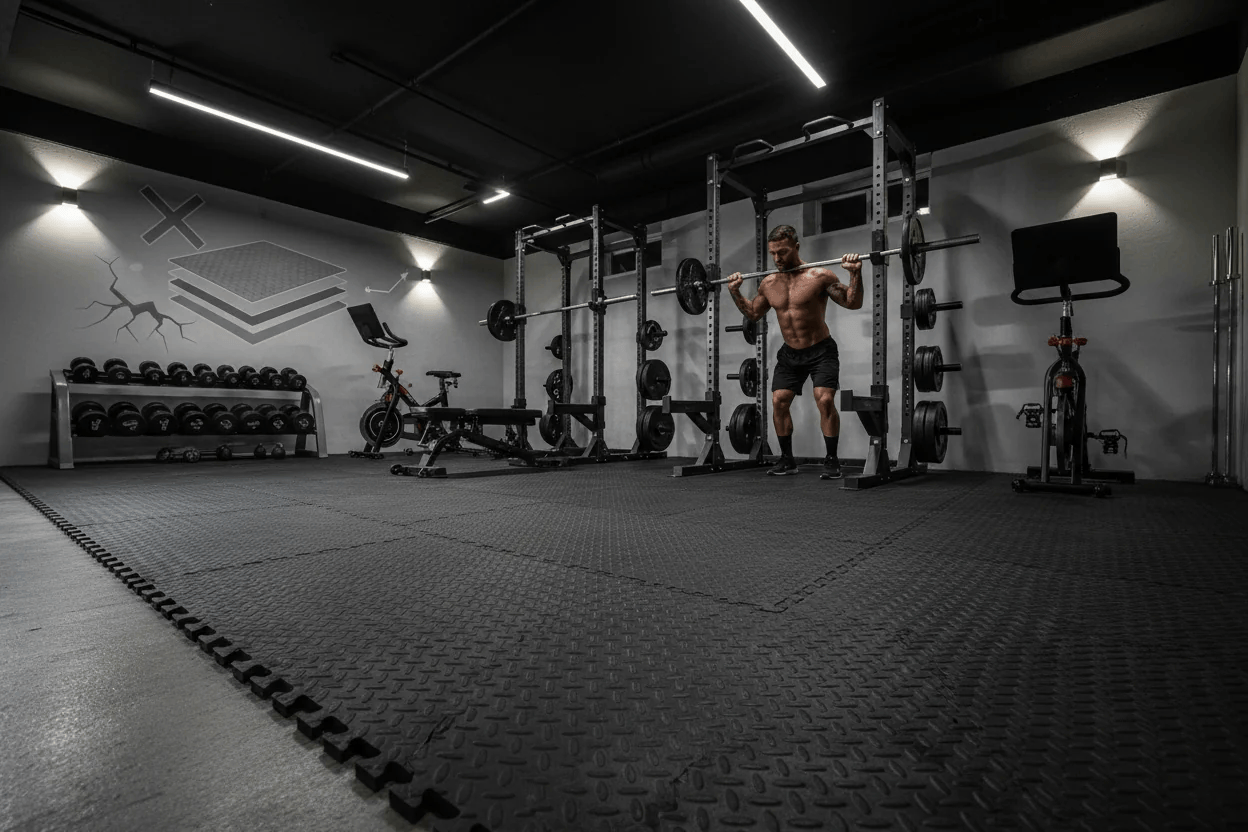
Creating a home gym is an excellent way to make exercise more convenient and maintain a consistent fitness routine. However, choosing the right flooring is just as important as selecting workout equipment. Suitable Gym Flooring can improve comfort, provide traction, protect the original floor, and make your workout space easier to maintain.
Whether you are setting up a small exercise corner in your bedroom or converting an entire room into a fitness area, understanding the available flooring options can help you make the right decision.
1. Consider Your Workout Activities
The first step is identifying the exercises you plan to perform at home. Different workouts require different flooring characteristics.
If your routine includes yoga, stretching, and light exercises, a comfortable surface with suitable grip may be sufficient. For cardio workouts, jumping exercises, or strength training, you may need more durable flooring that can handle repeated movement and equipment loads.
If you plan to use dumbbells, weight benches, or exercise machines, consider flooring that helps protect the underlying surface from scratches and impact.
2. Choose the Right Flooring Material
Several materials are available for home gym flooring, and each offers different advantages.
Rubber Flooring
Rubber flooring is a popular choice because of its durability, resilience, and impact resistance. It can be suitable for home gyms where users perform strength training, cardio, or general fitness exercises.
It is available in tiles and rolls, allowing homeowners to choose a format that fits their available space.
EVA Foam Flooring
EVA foam tiles are lightweight and cushioned. They can be useful for stretching, bodyweight exercises, and selected low-impact activities.
However, softer foam may compress under heavy equipment and may not provide the stability required for all workouts. Check the manufacturer’s recommendations before placing weights or machines on this flooring.
Vinyl Flooring
Vinyl flooring offers a range of colors and designs that can complement a home’s interior. Certain products may work well for light exercise areas, provided they offer appropriate traction and are suitable for the intended activity.
Standard decorative vinyl should not automatically be assumed suitable for heavy weightlifting or repeated high-impact exercise.
3. Check Thickness and Cushioning
Flooring thickness influences cushioning, stability, and protection. The ideal thickness depends on the type of exercise, the material, and the equipment being used.
Light workouts may require less cushioning than areas used for heavier equipment or repeated impact. However, thicker flooring is not always better. An excessively soft surface can affect balance during exercises that require stable footing.
Consider material density and construction alongside thickness to find a suitable option.
4. Prioritize Grip and Safety
A home gym floor should provide appropriate traction for your exercises. Slippery surfaces can make movements such as lunges, squats, and stretching more difficult.
Choose flooring with a texture and finish suited to your activities. If your workout space is exposed to sweat or moisture, make sure the surface can be cleaned properly and provides suitable slip resistance.
Remember that flooring supports safe exercise but cannot eliminate the risk of injuries. Proper technique and appropriate footwear remain important.
5. Protect Your Existing Floor
Heavy exercise equipment can scratch, dent, or damage tiles, wood, and other conventional surfaces. Installing suitable Gym Flooring can create a protective layer between the equipment and the original floor.
This is especially useful for homeowners using treadmills, exercise bikes, weight benches, and dumbbells. Before installation, check whether the chosen flooring is compatible with the existing surface and the weight of your equipment.
6. Consider Cleaning and Maintenance
Home gym flooring should be easy to clean and maintain. Sweat, dust, and dirt can accumulate during regular workouts, so choose a material that fits your cleaning routine.
Check the manufacturer’s instructions for suitable cleaning products and moisture management. Proper maintenance can help preserve the flooring’s appearance and performance over time.
7. Measure Your Available Space
Before buying flooring, measure the workout area carefully. Consider the space required for exercise movements, equipment placement, and safe access around machines.
Interlocking tiles may be convenient for small or irregular spaces, while rolls can provide broader coverage in larger rooms. Select a format that suits your layout and installation requirements.
It is also worth considering the room’s ventilation and whether the flooring material is appropriate for indoor use.
Choosing Gym Flooring in Karachi
If you are searching for Gym Flooring in Karachi, compare products based on durability, material quality, thickness, traction, installation, and price. Karachi’s warm weather and seasonal humidity may also make ventilation and moisture management relevant, depending on the room and building conditions.
Before purchasing, ask suppliers about the intended use of each product and whether it is suitable for home workouts. Reviewing samples and product specifications can help you choose flooring that meets your requirements.
Conclusion
Choosing the right Gym Flooring for home workouts involves considering your exercise routine, flooring material, thickness, grip, maintenance, and available space. Rubber flooring can be a practical option for many home gyms, while EVA foam may suit selected light exercises and vinyl may work in certain low-impact spaces.
By matching the flooring to your activities and equipment, you can create a comfortable, functional workout area while protecting the existing floor. For homeowners considering Gym Flooring in Karachi, comparing suitable options carefully can help you make a practical choice for your home fitness needs.