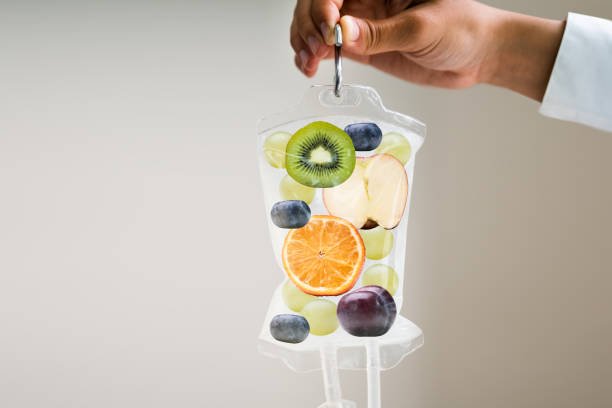
Intravenous treatments have become an option for people seeking fluid replacement or nutritional support under appropriate medical supervision. However, understanding the factors that influence treatment safety is essential before choosing this approach. People researching IV Drip Therapy in Abu Dhabi often want to know how the treatment works, what determines its suitability, and which precautions help support a safe experience. IV drip therapy delivers fluids and selected nutrients directly into the bloodstream through a vein. Its safety depends on the person’s health status, the ingredients administered, the dosage, the quality of the equipment, and the standards followed throughout the procedure.
What Is IV Drip Therapy?
IV drip therapy is a method of delivering fluids, electrolytes, vitamins, minerals, or other medically indicated substances directly into the bloodstream. Unlike oral supplements, which pass through the digestive system, intravenous delivery allows substances to enter circulation without first being absorbed through the digestive tract.
The treatment may be used for specific clinical purposes, such as fluid replacement when oral intake is insufficient or the administration of certain nutrients when medically appropriate. The formulation depends on the individual’s needs and the intended purpose of treatment.
Although intravenous delivery can be useful in appropriate circumstances, it is not automatically necessary or beneficial for everyone. A treatment plan should be based on a clear understanding of the person’s health requirements rather than general wellness claims. Careful assessment and appropriate administration are central to supporting patient safety.
How Does Overall Health Influence Treatment Safety?
A person’s general health is one of the most important factors affecting the suitability of IV drip therapy. Existing medical conditions can influence how the body processes fluids and electrolytes, making an individualized assessment essential before treatment begins.
For example, people with certain heart or kidney conditions may have difficulty managing additional fluid, so the volume and composition of an infusion require particular consideration. Individuals with metabolic disorders or conditions affecting electrolyte balance may also need a carefully selected formulation.
Current health concerns, previous treatment experiences, and relevant medical history help determine whether intravenous therapy is appropriate. Understanding these factors allows the treatment team to identify individual requirements and select an approach that reflects the person’s medical circumstances.
Why Do the Ingredients and Dosage Matter?
The ingredients used in an IV drip directly influence its suitability and safety. Different formulations may contain saline solutions, electrolytes, vitamins, minerals, or other substances, each with its own purpose and administration requirements.
The appropriate amount depends on the ingredient, the person’s nutritional status, hydration needs, medical history, and intended treatment outcome. A formulation designed for one individual may not be suitable for another, even when both people have similar wellness goals.
Excessive amounts of certain vitamins or minerals can create problems, particularly when a person already receives adequate nutrients through food, supplements, or other treatments. Similarly, the concentration and volume of intravenous fluids must be selected carefully to meet the intended clinical need.
A properly planned infusion uses ingredients and quantities that have a clear rationale. Avoiding unnecessary substances and tailoring the formulation to individual requirements are important principles of responsible IV drip therapy.
How Important Is Professional Assessment?
Professional assessment helps establish whether IV drip therapy is necessary and appropriate. Before treatment, the relevant medical history, current symptoms, existing conditions, allergies, and medications should be reviewed.
This assessment can help identify circumstances in which an infusion may be unsuitable or require modification. It also provides an opportunity to distinguish between problems that may benefit from intravenous treatment and those that are better managed through another form of care.
The intended purpose should be clearly defined. For example, treating a documented need for fluid replacement is different from administering an infusion solely to pursue general wellness benefits. Understanding this distinction supports informed decisions and helps prevent unnecessary treatment.
Clear communication is equally important. Patients should understand what the infusion contains, why each ingredient is being administered, and what the treatment is expected to accomplish.
Why Do Hygiene and Sterile Equipment Matter?
Because IV drip therapy involves access to a vein, strict hygiene and sterile technique are essential. Equipment that comes into contact with the infusion or insertion site must be appropriate for the procedure and handled according to established infection-control standards.
The skin at the insertion site must be prepared correctly, and the person administering the treatment should follow appropriate hand hygiene and aseptic procedures. Sterile, single-use equipment should be used where indicated, and all supplies must be handled and disposed of properly.
The infusion setup also requires attention to the condition and integrity of the equipment. Correct preparation, proper storage of solutions, and adherence to product instructions help maintain the quality of the administered substances.
These precautions are not merely procedural details. They are fundamental safeguards that reduce preventable risks and support the overall safety of intravenous treatment.
How Does Monitoring Affect IV Drip Therapy Safety?
Monitoring during IV drip therapy helps ensure that the infusion is being administered appropriately and that the patient remains comfortable throughout the procedure. The rate of administration should match the prescribed plan and the individual’s clinical needs.
Some fluids and substances require controlled infusion rates because the body must receive them within appropriate limits. Administering an infusion too quickly or delivering an unsuitable volume may create unnecessary strain, particularly in people with certain underlying health conditions.
The treatment team should remain attentive to the insertion site, the functioning of the equipment, and the person’s overall condition. Patients should also communicate any unexpected discomfort or unusual changes during the procedure.
Appropriate monitoring continues to be important even when an infusion appears routine. The level of supervision should reflect the ingredients being administered, the person’s health status, and the complexity of the treatment.
Do Medications and Existing Supplements Affect Safety?
Medications and supplements can influence the suitability of an IV formulation. Certain substances may interact with ingredients in an infusion, alter electrolyte levels, or affect how the body responds to treatment.
For this reason, an accurate record of prescription medications, nonprescription products, vitamins, and other supplements is useful during the initial assessment. This information helps the treatment team identify potential interactions and determine whether changes to the proposed formulation are necessary.
It is also important to consider whether the person already receives sufficient nutrients through their regular diet or other treatments. Adding intravenous nutrients without a clear indication may provide little additional benefit.
Transparent communication about current products and treatments helps ensure that decisions are based on the complete clinical picture rather than isolated information.
What Standards Should Guide a Safe IV Drip Experience?
A safe IV drip experience depends on more than the infusion itself. It requires appropriate patient assessment, a clearly defined treatment purpose, correctly prepared ingredients, sterile equipment, and suitable monitoring.
The person administering the infusion should have the relevant training and follow established clinical procedures. The treatment setting should support proper hygiene, safe handling of intravenous solutions, and an appropriate response if the patient’s condition changes.
Patients should also receive understandable information about the proposed treatment and have the opportunity to ask questions before proceeding. Clear explanations encourage informed decision-making and help establish realistic expectations.
Ultimately, IV drip therapy should be approached as a medical procedure rather than a routine wellness activity. Careful planning and adherence to established standards are essential for making the treatment appropriate for the individual.
Final Thoughts
The safety of IV drip therapy depends on several interconnected factors, including overall health, ingredient selection, dosage, professional assessment, sterile technique, infusion speed, and appropriate monitoring. Medications, supplements, and existing medical conditions can also influence whether a particular formulation is suitable.
Choosing intravenous therapy should begin with identifying a genuine need and understanding the intended benefits. A personalized assessment, transparent communication, and adherence to clinical safety standards help support informed treatment decisions. When used for an appropriate purpose and administered correctly, IV drip therapy can serve a useful role in selected medical situations.
FAQs
What is the most important factor affecting IV drip therapy safety?
Individual health status is a key consideration because medical conditions can influence the suitability of fluids, nutrients, and infusion volumes.
Does the dosage affect IV drip therapy safety?
Yes. The amount and concentration of each ingredient should match the individual’s needs and the intended clinical purpose.
Why is sterile equipment important during IV drip therapy?
Sterile equipment and proper hygiene help reduce the risk of contamination during intravenous administration.
Can medications influence the safety of IV drip therapy?
Yes. Some medications and supplements may interact with infusion ingredients, making a review of current treatments important.
Is IV drip therapy suitable for everyone?
No. Suitability depends on individual health, the reason for treatment, and the formulation being considered. A professional assessment helps determine whether it is appropriate.