
A wedding does not need a large guest list to feel special. Sometimes, celebrating with close friends and family in a beautiful garden, beneath towering trees, or overlooking rolling hills creates a more meaningful experience than a large formal event. The key is choosing a setting that looks beautiful while also making the day comfortable and easy to manage.
For couples searching for Outdoor micro wedding venues california, the best choice is not necessarily the most dramatic location. It is the place that suits their guest list, preferred season, budget, and vision for the celebration. A little planning can help couples avoid unexpected costs and create an outdoor wedding that feels personal from beginning to end.
1. Match the Landscape to Your Wedding Style
California offers a wide variety of outdoor settings, so it helps to decide which atmosphere feels right before booking a venue.
Garden settings are ideal for couples who want flowers, greenery, and a relaxed atmosphere. They can also work well for receptions with long dining tables, candlelight, and simple decorative details.
Woodland venues offer natural scenery and a sense of privacy. Redwoods, shaded pathways, and wooden decks can create a beautiful backdrop without requiring extensive decorations. However, couples should check lighting conditions, walking surfaces, and whether the ceremony area is accessible to older guests.
Vineyards and countryside properties suit celebrations with a slower pace. Open lawns, countryside views, and outdoor dining areas can make a small gathering feel like a private retreat. Ask about wind exposure, uneven ground, and restrictions on music or evening events.
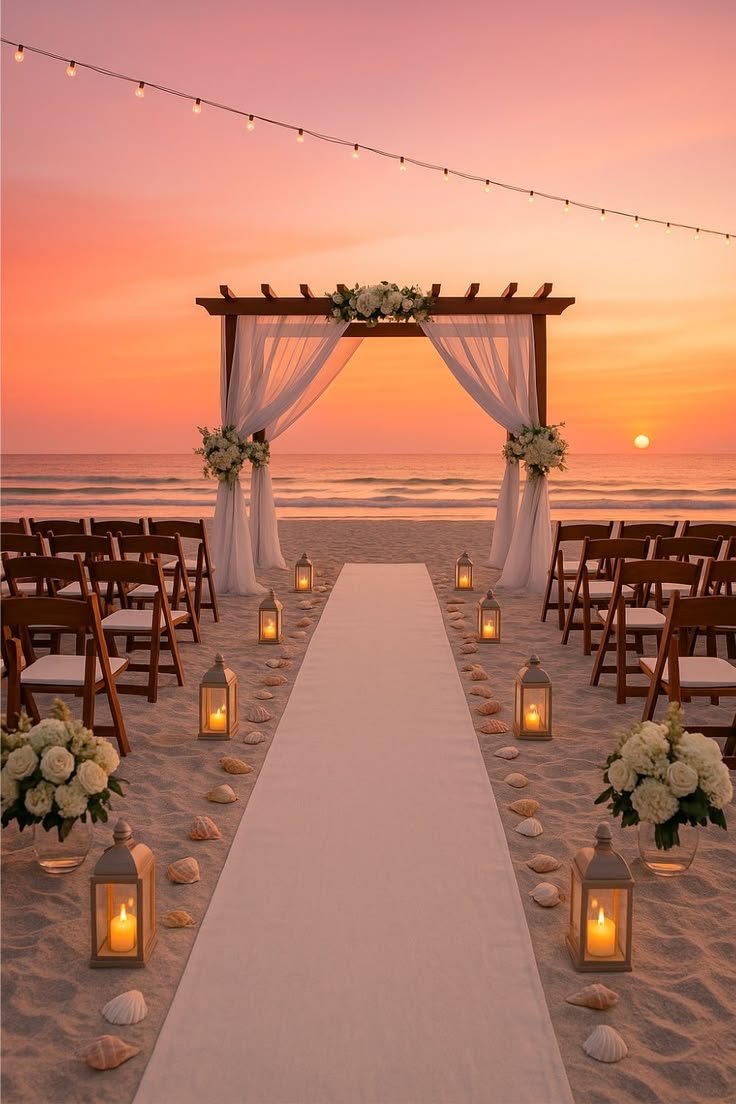
Coastal locations appeal to couples who prefer ocean views and fresh air. These settings can be especially attractive for daytime ceremonies, but strong breezes, cool evenings, and nearby public activity may affect the experience.
Choose the setting based on how you want guests to spend the day, not just how the location looks in photographs.
2. Check Weather Plans, Guest Comfort, and Venue Rules
An outdoor ceremony depends on more than the forecast. California weather varies considerably by region, and conditions can change between the ceremony and reception. A sunny afternoon may become chilly after sunset, while an open hillside can be windier than expected.
Before reserving a venue, ask what happens if outdoor plans become impractical. Is there an indoor room, covered patio, or tent option? Does the backup space accommodate every invited guest, and is it included in the rental price?
Guest comfort also deserves attention. Check the availability of clean restrooms, drinking water, shaded seating, parking, and accessible routes between event spaces. If guests need to walk across gravel, grass, or sloping paths, consider whether those surfaces will be suitable for everyone.
Review the venue’s rules about amplified music, candles, open flames, alcohol, decorations, and event end times. Public parks and private properties may have different requirements, so confirm any necessary permits and insurance arrangements directly with the appropriate venue or authority.
3. Understand What Wedding Packages Actually Include
Smaller celebrations can reduce the number of arrangements couples need to make, but the final cost depends on more than venue rental alone.
The phrase all-inclusive micro wedding packages can sound straightforward, yet each provider may define it differently. One package might cover ceremony coordination, basic decorations, and photography, while another may include catering, furniture, floral arrangements, and reception service.
Request a written breakdown before comparing prices. Confirm whether the quoted amount covers:
- Venue access, setup, cleanup, and the full event duration.
- Food, beverages, service staff, and any catering minimums.
- Photography, flowers, ceremony coordination, and entertainment.
- Tables, chairs, linens, lighting, and weather-related arrangements.
- Taxes, service charges, overtime fees, and additional guests.
Pay particular attention to guest limits. A package priced for 20 people may become considerably more expensive if additional guests require extra meals, staffing, or seating. Ask whether the price changes on weekends, during peak wedding season, or when you select optional services.
It is also worth confirming which vendors are included and who is responsible for communicating with them. A clear agreement reduces misunderstandings and helps couples plan around a realistic budget.
4. Choose a Date That Supports Your Priorities
The wedding date can influence both the atmosphere and the overall expense. Popular weekends may offer fewer booking options, while weekday celebrations can sometimes provide greater flexibility.
Think about the entire schedule before selecting a date. An afternoon ceremony may provide comfortable temperatures and natural light, while a late-day celebration can create a warm evening atmosphere. Check sunset times, seasonal temperatures, and the venue’s permitted event hours.
If you have flexibility, request quotations for several dates. Compare the savings with any practical disadvantages, such as guests needing to take time off work or travel during busy periods.
Finally, visit the property at approximately the time of day you plan to marry, when possible. Notice where sunlight falls, how far guests must walk, and whether the reception area feels comfortable after the ceremony. A site visit can reveal details that photographs cannot.
Conclusion
Choosing an outdoor setting for an intimate wedding is about balancing atmosphere with practical needs. Start by identifying your preferred landscape, then investigate weather alternatives, guest comfort, venue restrictions, and the true cost of each package.
A thoughtful choice allows couples to focus on the people and moments that matter most. With the right setting and realistic planning, a small California wedding can feel complete, welcoming, and memorable without unnecessary complexity.