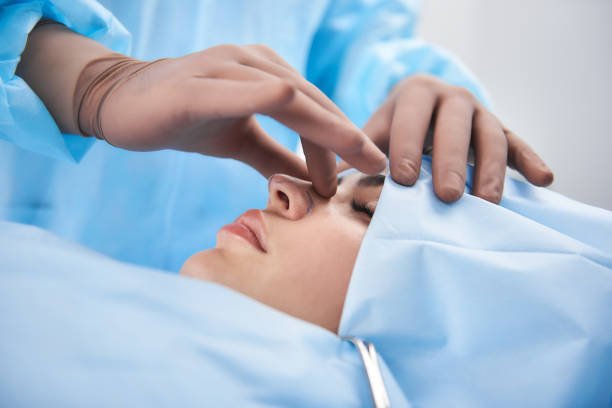
Rhinoplasty is a popular surgical procedure for people who want to improve the shape, proportions, or overall appearance of their nose. However, one of the most common questions before undergoing surgery is how long it takes to see the final outcome. Rhinoplasty in Abu Dhabi offers individuals an opportunity to explore nasal reshaping with a focus on facial harmony and natural-looking results. Although changes may become visible soon after the initial healing period, the nose continues to undergo subtle changes for several months as swelling gradually decreases and the tissues settle into their new shape.
When Can You First Notice Rhinoplasty Results?
Initial changes after rhinoplasty may become noticeable once the nasal dressing or splint is removed, often around the first week after surgery. At this stage, the nose may already show a different shape or contour, but the appearance is not yet representative of the final result.
Swelling is a normal part of the healing process and can temporarily make the nose appear wider, rounder, or less defined than expected. Bruising around the nose and eyes may also affect the overall appearance during the early recovery period.
It is important to understand that the first visible improvement is only an early indication of the surgical outcome. As healing progresses, swelling gradually subsides, allowing the nasal contours to become clearer and more refined.
How Does Rhinoplasty Healing Progress During the First Month?
The first month after rhinoplasty is an important stage of recovery. During this period, the most noticeable swelling generally begins to decrease, and the overall shape of the nose becomes easier to recognize.
However, residual swelling may remain around the nasal bridge, tip, and surrounding tissues. The nasal tip can be particularly slow to settle because it contains delicate soft tissues and cartilage that need time to heal.
Although the nose may look significantly different from its appearance before surgery, minor irregularities in definition can remain temporarily. These changes do not necessarily indicate the final result. Following postoperative instructions and attending scheduled follow-up appointments can help support an appropriate recovery.
What Changes Can You Expect After Three Months?
By approximately three months, many people notice a more refined nasal appearance compared with the early recovery period. Much of the initial swelling has usually subsided, making the bridge, profile, and overall proportions easier to evaluate.
The amount of improvement varies according to the extent of surgery, the thickness of the skin, and the individual’s healing response. Some people develop visible definition relatively quickly, while others continue to experience swelling that affects the appearance of the nasal tip.
At this stage, the nose may look closer to its intended shape, but it is generally too early to assume that every detail has reached its final state. Subtle changes can continue as the remaining swelling decreases and the tissues mature.
Is Six Months Enough to See the Final Rhinoplasty Results?
Six months after rhinoplasty, the nose often appears more settled and defined. The majority of noticeable swelling may have resolved, allowing the overall shape to become clearer.
For many individuals, this stage provides a useful indication of the likely long-term outcome. Changes in the nasal bridge and upper portions of the nose may become apparent earlier, while the tip can continue to refine gradually.
However, six months does not always represent the final result. The healing timeline depends on individual anatomy, surgical techniques, and the amount of tissue adjustment performed. People who have undergone more extensive nasal reshaping may need additional time before the remaining swelling fully resolves.
Why Can Rhinoplasty Results Take a Year or Longer?
Rhinoplasty involves changes to the bone, cartilage, skin, and other supporting tissues of the nose. These structures need time to heal and adapt after surgery, which explains why the final appearance develops gradually.
Although the initial swelling usually decreases considerably during the first few months, small amounts of residual swelling can remain for much longer. The nasal tip is often the last area to show its final definition, particularly when the skin is thicker or the surgery involves substantial structural changes.
For many people, the final result becomes clearer around twelve months after surgery. In some cases, particularly with complex or revision rhinoplasty, refinement may continue for twelve to eighteen months or longer.
Does Skin Thickness Affect the Rhinoplasty Timeline?
Skin thickness is an important factor in determining how quickly the final nasal contours become visible. People with thinner nasal skin may notice definition earlier because subtle changes in the underlying structure can become apparent more readily.
Thicker skin can retain swelling for a longer period and may take more time to adapt to the reshaped cartilage and bone. This can make the nasal tip appear fuller even after much of the initial recovery has passed.
Thicker skin does not automatically mean that the final outcome will be less successful. Instead, it means that the healing process and the appearance of definition may follow a different timeline. Understanding individual skin characteristics helps establish realistic expectations before surgery.
Do Different Types of Rhinoplasty Have Different Recovery Timelines?
The timeline for final rhinoplasty results can vary according to the type and complexity of the procedure. A relatively straightforward operation involving limited changes may have a different recovery pattern from surgery that requires extensive structural reshaping.
Primary rhinoplasty, which is performed for the first time, may heal differently from revision rhinoplasty, which involves modifying a nose that has already undergone surgery. Revision procedures can require additional tissue adjustments and may involve a longer period of healing.
Similarly, changes involving the nasal tip can take longer to settle than certain adjustments to the bridge. Regardless of the procedure, the final appearance should be evaluated over time rather than judged solely by the early postoperative results.
How Can You Tell When Your Nose Has Fully Healed?
A nose that has reached its final stage of healing generally shows a stable shape with little noticeable change from month to month. The contours may appear more natural, the nasal tip may become better defined, and the overall proportions may be easier to assess.
However, the appearance of the nose alone cannot always confirm that every internal structure has completed healing. A follow-up assessment can help evaluate the progress of recovery and determine whether the results are developing as expected.
Patience is particularly important during this stage. Comparing photographs taken at different points in recovery may help illustrate gradual changes that are difficult to notice from day to day.
What Should You Expect While Waiting for Final Results?
Waiting for rhinoplasty results can require patience because the nose changes gradually throughout recovery. Early swelling may temporarily obscure the contours, and the appearance of the nasal tip can fluctuate as the tissues continue to settle.
It is helpful to approach recovery with realistic expectations rather than expecting the final shape to become visible immediately. The nose may look different at one month, three months, six months, and twelve months, with gradual refinement continuing throughout the process.
Following the recommended recovery guidance and maintaining regular follow-up appointments can help you understand how healing is progressing. Any concerns about changes in shape or recovery should be discussed during these appointments.
Final Thoughts
Rhinoplasty results develop gradually, and the final appearance is rarely visible immediately after surgery. Initial changes may be noticeable within the first few weeks, while more refined contours generally emerge over the following months. Many people see a clearer picture of their results around six to twelve months, although thicker skin, complex procedures, and revision surgery can extend the timeline. Understanding the stages of healing helps create realistic expectations and allows sufficient time for swelling to resolve and the nasal tissues to settle into their final shape.
FAQs
How long does rhinoplasty take to show final results?
Most people see their final results around twelve months, although some noses may take longer to settle completely.
When does swelling go down after rhinoplasty?
The most noticeable swelling generally decreases during the first few weeks and months, while minor swelling may persist for a year or longer.
Does the nasal tip take longer to heal?
Yes, the nasal tip often takes longer to refine because of its delicate tissues and the swelling that can remain in this area.
Can rhinoplasty results change after six months?
Yes, subtle changes can continue after six months as residual swelling decreases and the nasal tissues mature.
Does thick skin affect rhinoplasty results?
Thicker skin can prolong swelling and delay visible definition, particularly around the nasal tip, but individual outcomes vary.