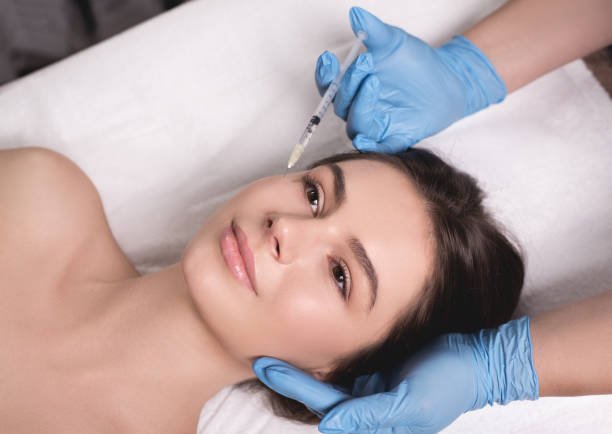
An aging jawline can gradually look softer as skin loses firmness and facial tissues shift downward. For people exploring non-surgical facial rejuvenation, 8 Point Facelift in Abu Dhabi may be one option to discuss with a qualified aesthetic professional. The approach aims to restore support in selected areas of the face, which may create a more defined-looking lower face without surgery. Whether it can improve a particular jawline depends on facial structure, skin quality, and the changes a person hopes to address.
What Is an 8 Point Facelift?
An 8 Point Facelift is a non-surgical facial contouring approach that focuses on several support points across the midface and lower face. Rather than treating one line or area in isolation, an aesthetic professional assesses how different regions relate to one another. The goal is to provide subtle structural support and improve the overall balance of facial contours.
The name refers to a treatment plan involving multiple points, but the exact areas and approach can vary. A professional assessment is important because facial anatomy and aging patterns differ from person to person. The treatment is not a surgical facelift, and it cannot reproduce the degree of lifting that surgery may provide.
How Can It Affect the Jawline?
The jawline’s appearance is influenced by more than the skin directly over it. Changes in cheek support, facial volume, and tissue position can contribute to a less defined lower face. By addressing selected areas of support, an 8 Point Facelift may create a subtle visual lift that makes the jawline appear more structured.
The result is generally about improving facial balance rather than sharply reshaping the jaw. Some people may notice a softer reduction in the appearance of jowls or a clearer transition between the cheek and lower face. Others may see little change if their main concern is loose skin or a more advanced degree of sagging.
Who May Consider This Approach?
A consultation can help determine whether this method aligns with someone’s goals. It may be considered by adults who want a refreshed appearance and prefer a non-surgical option, particularly when changes are mild to moderate.
Suitability depends on factors such as:
- The degree of skin laxity and facial tissue descent
- The person’s facial structure and existing volume
- The areas they would like to improve
- Their expectations about subtle, non-surgical results
- Their general health and relevant treatment history
A qualified professional can explain whether this approach is appropriate or whether another option may better match the person’s concerns.
What Happens During a Consultation?
The consultation is an opportunity to discuss goals and understand what the treatment can realistically achieve. The professional may assess facial proportions, skin quality, and the relationship between the cheeks, lower face, and jawline. They may also ask about medical history and previous aesthetic treatments.
A clear plan should explain which areas may be addressed, why they were selected, and what kind of change is realistic. People can ask how long results may last, whether further sessions might be considered, and what alternatives exist. Good communication helps ensure that the plan supports the person’s preferences rather than aiming for an overly dramatic change.
What Results Can a Person Expect?
Results vary, and expectations are best kept measured. An 8 Point Facelift may help create a more supported or refreshed appearance, with the jawline looking somewhat more defined as part of the overall facial balance. The outcome depends on individual anatomy, the treatment plan, and how the face responds.
It is helpful to think of the approach as a possible refinement, not a guarantee of a sharply sculpted jawline. A non-surgical treatment may not address substantial excess skin, pronounced tissue descent, or every cause of facial aging. A professional should describe both the potential benefits and the limits before treatment begins.
How Does It Compare With Surgery?
A non-surgical approach and a surgical facelift serve different needs. An 8 Point Facelift may appeal to someone seeking a less invasive way to refresh facial contours, while surgery may be discussed for more significant skin laxity or tissue descent. Neither option is right for everyone.
The most useful comparison is based on the person’s anatomy, goals, and willingness to consider different levels of intervention. A qualified professional can explain the expected scope of each option without promising identical outcomes. The choice should be based on informed discussion, not pressure or a single photograph.
Frequently Asked Questions
Can an 8 Point Facelift improve jowls?
It may soften the appearance of mild jowling for some people by improving support and facial balance. The degree of change varies, and more pronounced sagging may not respond as well to a non-surgical approach.
Will the jawline look dramatically different?
Usually, the aim is a subtle, balanced improvement rather than a dramatic change. The likely outcome depends on the person’s facial structure and the treatment plan.
Is it suitable for every aging jawline?
No. A person’s skin quality, degree of laxity, facial proportions, and expectations all matter. An individual assessment is needed to decide whether the approach is suitable.
How long can results last?
The duration varies from person to person and depends on the treatment approach and individual factors. The professional can discuss typical expectations during a consultation, while noting that results cannot be guaranteed for a specific length of time.
What should someone ask before deciding?
They can ask about the professional’s qualifications, the proposed treatment areas, expected results, limitations, alternatives, and follow-up arrangements. They should feel comfortable taking time to consider the information before making a decision.
Making an Informed Choice
An aging jawline can have several contributing factors, so the most appropriate option depends on the individual. An 8 Point Facelift may offer a subtle improvement for some people by supporting facial balance and helping the lower face look more defined. A thorough consultation, realistic expectations, and a personalized plan are essential to deciding whether it is the right approach.