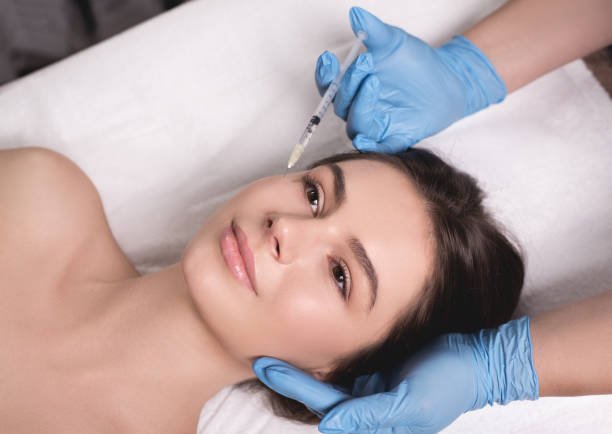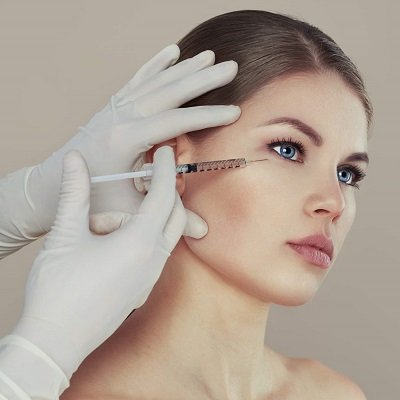
Facial movement plays an important role in how the skin looks, how expression lines develop, and how certain cosmetic treatments perform. Every smile, frown, squint, or raised eyebrow involves repeated muscle contractions. Over time, these movements can contribute to the appearance of dynamic wrinkles, particularly around the forehead, between the eyebrows, and around the eyes. This is one reason Botox injections are widely used to soften expression-related lines and create a smoother, more refreshed appearance.
For people considering Botox Injections in Oman, understanding the relationship between facial movement and treatment results can make the treatment process easier to understand. Botox works by temporarily reducing the activity of specific muscles. However, the goal is generally not to eliminate all facial movement. Instead, carefully targeted treatment aims to reduce excessive muscle contraction while preserving a natural range of expression.
Several factors can influence the outcome, including muscle strength, facial anatomy, injection technique, the amount of product used, individual metabolism, and post-treatment habits. Knowing how facial movement affects these factors can help patients develop realistic expectations and make informed decisions about treatment.
Understanding the Connection Between Facial Movement and Wrinkles
Facial expressions are a normal part of communication. Smiling, laughing, concentrating, surprise, and other emotions naturally activate facial muscles. When these muscles contract, the overlying skin moves with them.
When facial movement occurs repeatedly over many years, lines can gradually become more noticeable. At first, these lines may only appear while making a particular expression. These are commonly called dynamic wrinkles. With time, repeated folding of the skin can contribute to lines that remain visible even when the face is relaxed.
Common examples include horizontal forehead lines caused by raising the eyebrows, vertical lines between the eyebrows caused by frowning, and fine lines around the eyes associated with smiling or squinting.
Botox is designed to address muscle activity rather than simply filling a wrinkle. It temporarily reduces nerve signals that cause selected muscles to contract. As muscle activity decreases, the skin may fold less frequently and the appearance of certain dynamic wrinkles can become softer.
This relationship between movement and wrinkle formation is an important part of understanding why Botox results can look different from one person to another.
How Botox Changes Facial Muscle Activity
Botox contains a purified form of botulinum toxin type A. When appropriately injected into selected muscles, it temporarily interferes with the communication between nerves and muscles. As a result, the targeted muscle contracts less strongly.
The effect is localized, meaning the treatment is intended to affect specific muscles rather than the entire face. The amount and location of treatment therefore matter considerably.
A person with particularly strong forehead muscles, for example, may have a different response from someone whose forehead movement is relatively mild. Similarly, two people with similar-looking wrinkles may have different underlying muscle patterns.
The purpose of treatment is not necessarily to make the face completely still. Excessive reduction in muscle activity can sometimes produce an overly rigid or unnatural appearance. A balanced approach aims to soften unwanted lines while maintaining appropriate facial expression.
For individuals exploring Botox Injections in Oman, a qualified medical professional can assess facial movement patterns and determine whether Botox is appropriate for the specific concerns being addressed.
Why Facial Movement Can Affect the Final Botox Result
The degree of facial movement before and after treatment can influence the visible outcome. Strong, repetitive muscle contractions may create deeper expression lines, while reduced muscle activity can allow the skin to appear smoother.
Several movement-related factors may affect results:
Muscle strength: Stronger muscles may require a carefully considered treatment approach because their contractions can be more pronounced.
Expression habits: Individuals who frequently frown, squint, or raise their eyebrows may develop more prominent dynamic lines in those areas.
Skin condition: Facial movement interacts with the skin’s elasticity and overall condition. Younger, more elastic skin may respond differently from skin with more established lines.
Treatment area: Different areas of the face have different muscle structures and movement patterns. Treatment around the forehead, glabella, and eye area therefore requires an individualized approach.
Natural anatomy: Facial muscles vary between individuals. The position, size, and strength of muscles can influence how Botox behaves after injection.
These factors explain why Botox cannot always be approached as a one-size-fits-all procedure.
Does Less Facial Movement Always Mean Better Results?
Not necessarily. A common misconception is that the best Botox outcome is one that completely prevents facial movement. In reality, natural-looking treatment usually involves balance.
Facial expressions are important for communication. A completely immobile forehead or facial area may make expressions appear less natural. The ideal result depends on the person’s preferences, anatomy, treatment goals, and the professional assessment.
A skilled injector typically considers how a person’s face moves at rest and during expressions. Observing these movements can help identify which muscles contribute to unwanted lines and how much reduction in activity may be appropriate.
For someone seeking subtle rejuvenation, the objective may be to soften prominent lines while preserving recognizable facial expressions. Another person may have different priorities and may want a stronger reduction in muscle movement.
The appropriate approach should therefore be individualized rather than based solely on a standard number of injection points or a predetermined treatment pattern.
What Happens After Botox Injections?
Botox does not usually produce its full visible effect immediately. The treated muscles gradually become less active over the following days, and the appearance of targeted expression lines can change as the product takes effect.
During this period, patients may notice that certain facial movements feel different. This does not necessarily mean that the face will remain permanently less expressive. Botox is temporary, and muscle activity gradually returns as the body naturally processes the treatment.
After treatment, following the aftercare instructions provided by the treating professional is important. Patients should avoid unnecessary manipulation of the treated area and follow any specific guidance they receive regarding exercise, skincare, or other activities.
It is also important to remember that Botox does not permanently prevent wrinkles. As the treatment wears off and muscle activity returns, expression lines may gradually become more visible again.
The duration of results varies between individuals. Factors such as metabolism, muscle activity, treatment area, dosage, and previous treatment history can influence how long the effects remain noticeable.
Factors That Can Support Natural-Looking Botox Results
Although facial movement is a major consideration, several other factors can influence the overall appearance of Botox treatment.
Choosing an appropriately qualified medical professional is important. Facial anatomy is complex, and injections should be performed by someone with suitable training and experience.
A thorough consultation can also help establish realistic expectations. During the assessment, the professional may evaluate facial expressions, muscle activity, skin quality, previous cosmetic treatments, and the patient’s goals.
Patients should also provide relevant medical information, including medications, allergies, previous reactions to injections, and any history of neuromuscular conditions. This information can help the professional determine whether Botox is suitable.
Skin care and sun protection may also contribute to the overall appearance of the skin. Botox can reduce muscle-related wrinkles, but it does not address every cause of facial aging. Sun exposure, changes in skin elasticity, dehydration, pigmentation, and volume loss can all influence the appearance of the face.
For this reason, Botox is best viewed as one possible component of an individualized aesthetic treatment plan rather than a universal solution for every facial concern.
Choosing Botox Injections in Oman With Realistic Expectations
Interest in Botox Injections in Oman has grown as more people seek minimally invasive options for managing visible expression lines. However, treatment should be approached with the same care as any medical procedure.
Patients should look for a properly qualified medical provider, ask about the product being used, discuss expected outcomes, and understand possible side effects. Common temporary effects can include redness, swelling, tenderness, or bruising around injection sites. More significant complications are uncommon but can occur, making professional assessment and appropriate injection technique important.
During a consultation, patients can also discuss how much facial movement they want to preserve. This conversation is particularly useful for people who want a refreshed appearance without looking overly treated.
A good treatment plan should be based on facial anatomy rather than simply treating every visible line. In some cases, a wrinkle may be caused partly by factors that Botox cannot address. A professional assessment can help determine whether Botox alone is suitable or whether another approach may be more appropriate.
Ultimately, successful treatment is about creating a result that matches the individual’s facial structure and goals. Understanding how facial movement influences wrinkles and Botox response can help patients make more informed decisions and develop realistic expectations.
Frequently Asked Questions
1. How does facial movement affect Botox results?
Facial movement causes muscles to contract and can contribute to dynamic wrinkles. Botox temporarily reduces activity in selected muscles, which can soften lines created by repeated expressions. The strength and frequency of muscle movement can influence the treatment response.
2. Will Botox stop all facial expressions?
Properly planned Botox treatment is generally intended to reduce excessive muscle activity rather than eliminate all expression. The final effect depends on the treatment area, dosage, facial anatomy, and the individual’s goals.
3. Can strong facial muscles make Botox wear off faster?
Muscle activity is one factor that may influence how long Botox effects remain noticeable. Individuals with highly active or strong muscles may experience differences in duration compared with people who have less muscle activity.
4. How soon can results be noticed after Botox injections?
The effects generally develop gradually rather than appearing immediately. Changes may become noticeable over the following days, with the final effect taking additional time to develop.
5. Does Botox permanently remove facial wrinkles?
No. Botox temporarily reduces muscle activity. As muscle movement gradually returns, expression lines can become visible again. Regular treatment, when medically appropriate, may be considered based on individual goals and professional advice.
6. What should someone consider before getting Botox Injections in Oman?
A person should consider the qualifications and experience of the medical professional, the treatment goals, possible side effects, expected duration of results, and whether Botox is appropriate for the specific concern. A consultation is important for individualized advice.
Read More About Botox Injections: https://autopedia.co.uk/events/oman/muscat/muscat-1/a-beginners-guide-to-understanding-botox-injections/