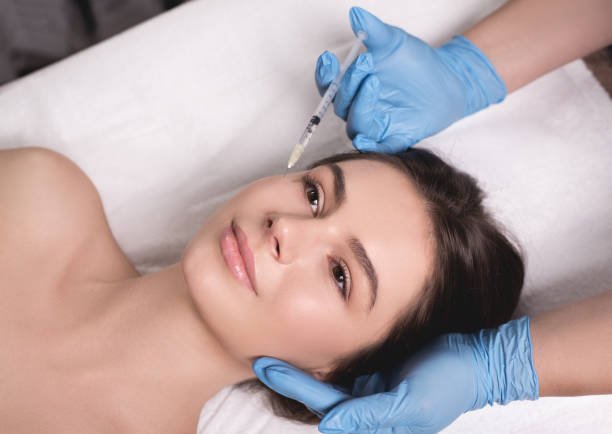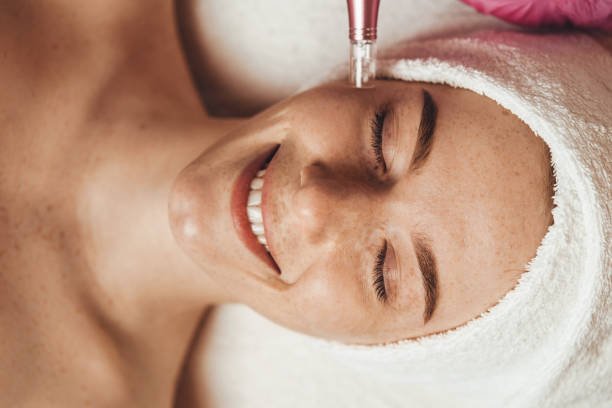
Oily skin can feel difficult to manage, especially when enlarged-looking pores, uneven texture, or lingering acne marks affect confidence. Fractional RF Micro Needling in Abu Dhabi may be an option for some people with oily skin because it combines tiny needles with radiofrequency energy to encourage skin renewal. Whether it is suitable depends on the person’s skin condition, goals, and professional assessment—not simply on how oily the skin feels.
What Fractional RF Microneedling Does
The treatment uses fine needles to create controlled microchannels in the skin while delivering radiofrequency energy beneath its surface. This process is intended to stimulate the skin’s natural repair response and support collagen production over time.
The “fractional” approach treats small sections while leaving surrounding areas untouched. As the skin heals, this may gradually improve the appearance of uneven texture and certain types of acne scarring. Results and the number of sessions needed vary from person to person.
Why Oily Skin May Be Suitable
Oily skin is not automatically a reason to avoid microneedling with radiofrequency. The treatment does not rely on drying out the skin or removing its natural oils. Instead, it targets deeper skin layers, so oiliness alone may not prevent someone from being considered.
Some people with oily skin explore the treatment because they are concerned about:
- Visible pores
- Uneven skin texture
- Shallow acne scars
- A rough or congested-looking complexion
These concerns can have different causes, so a qualified skin professional should determine whether the treatment is appropriate. It is also important to distinguish ongoing active acne from marks or scars left after acne has settled.
When a Professional Assessment Matters
A consultation helps establish whether the skin is ready for treatment and whether another approach may be more suitable. The professional can review the person’s skin history, current concerns, sensitivity, and expectations. They may also ask about recent procedures and any conditions that could affect healing.
Active breakouts, irritated skin, open areas, or a current skin infection may mean treatment should be postponed. A person with oily skin and frequent inflamed acne may first need a plan to bring the acne under control. Treating during a flare can make it harder to assess the skin and may not address the main concern.
Questions to Discuss at a Consultation
A person considering treatment can ask:
- Is the main concern oiliness, acne, scarring, or texture?
- Is the skin currently calm enough for treatment?
- What kind of improvement is realistic?
- How many sessions might be considered?
- What should be avoided before and after the appointment?
Clear answers can help someone make an informed decision without expecting a single session to change every skin concern.
What Results May Look Like
Changes usually develop gradually as the skin repairs itself. Some people may notice smoother-looking texture over time, while others may see a more modest change. Pore appearance can also be influenced by genetics, oil production, age, and the condition of the surrounding skin.
The treatment is not designed to permanently stop oil production or erase pores. It should not be presented as a guaranteed solution for acne, scarring, or shine. A realistic goal might be an improvement in selected texture concerns as part of a broader, professionally guided skin plan.
Preparing for Treatment
Preparation should follow the instructions provided during the consultation. The professional may ask the person to arrive with clean skin and to pause certain activities or skin treatments beforehand. Because individual needs differ, general online advice should not replace instructions based on a person’s skin and health history.
It can also help to schedule the appointment when there is enough time for the skin to settle afterward. A person should mention any recent changes in their skin, new irritation, or active breakouts before treatment begins.
Aftercare Tips
Aftercare should be guided by the treating professional, since the skin may be temporarily sensitive. Gentle handling and following the specific instructions can support a comfortable recovery.
Helpful general habits may include:
- Keeping the treated area clean as directed
- Avoiding unnecessary touching or rubbing
- Using sun protection as advised
- Waiting before resuming intense exercise or heat exposure if instructed
- Returning to a usual skin routine gradually, with professional guidance
The person should contact the treating professional if they are unsure whether a particular activity or skin-care step is appropriate. Personalised guidance is especially useful for oily skin, as overly harsh cleansing or frequent exfoliation can add irritation without solving the underlying concern.
Frequently Asked Questions
Can oily skin receive fractional RF microneedling?
Oily skin may be suitable, but oiliness alone does not determine eligibility. Skin condition, active acne, healing history, and treatment goals all matter. A professional assessment is the safest way to decide.
Does the treatment reduce oil production?
The treatment is not primarily intended to reduce oil production. Its focus is on skin renewal and concerns such as texture or certain acne scars. A person seeking help with persistent shine may need a separate discussion about suitable options.
Is it appropriate during an acne breakout?
Treatment may be postponed if there are active, inflamed breakouts or irritated areas. The professional can assess the skin and recommend whether acne should be managed first.
How soon can results be judged?
Skin renewal takes time, so changes are not usually judged immediately. The professional can explain when progress should be reviewed and whether additional sessions may be considered.
Making an Informed Choice
Fractional RF microneedling may be suitable for some people with oily skin, particularly when their main concerns involve texture or acne marks rather than active breakouts. It is not a universal fix for oiliness, and suitability depends on the skin’s current condition and the person’s goals.
A thoughtful consultation, realistic expectations, and clear aftercare guidance help make the decision more confident. With an individual assessment, someone can learn whether this treatment fits their needs or whether another approach would better support their skin.