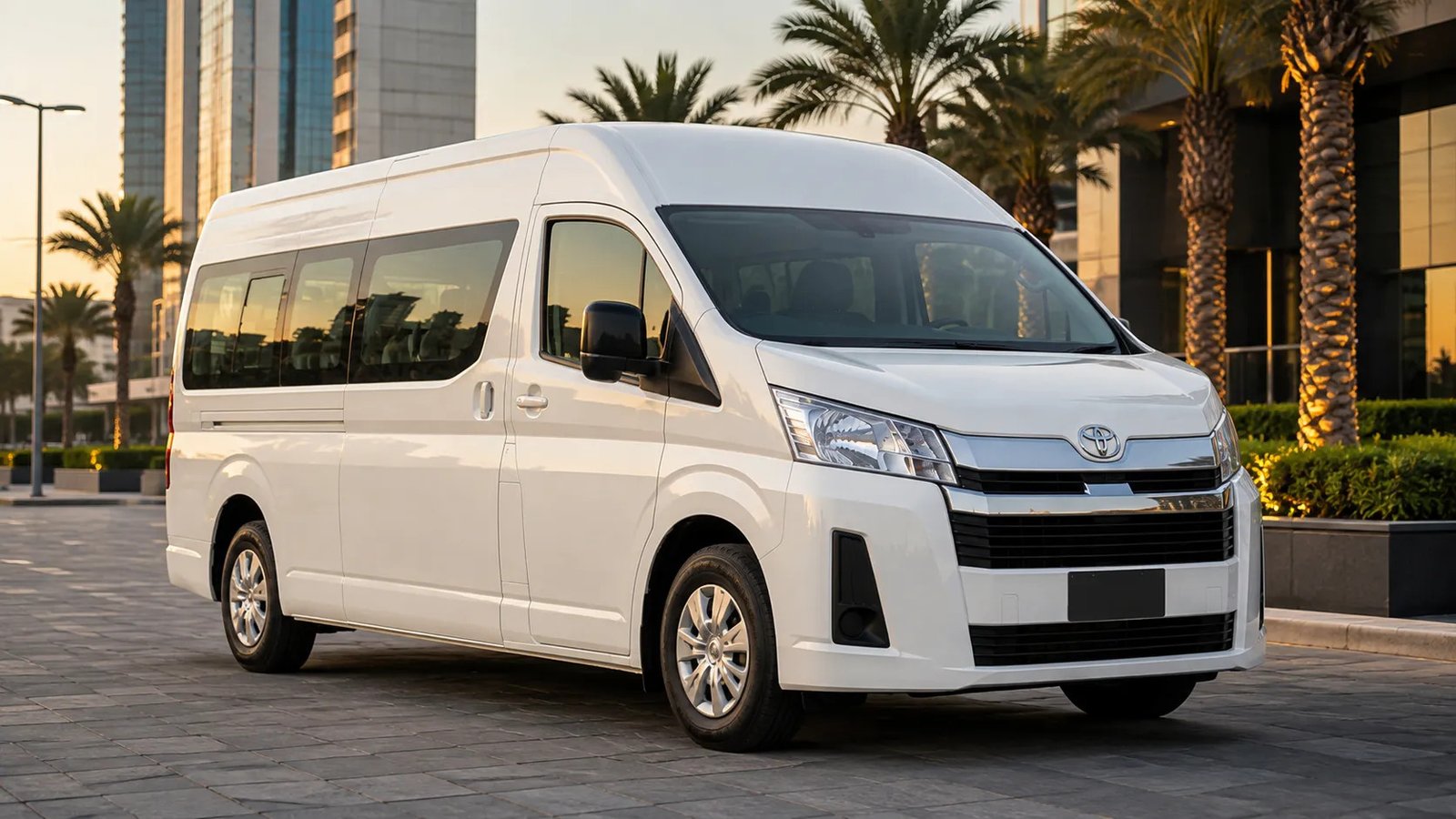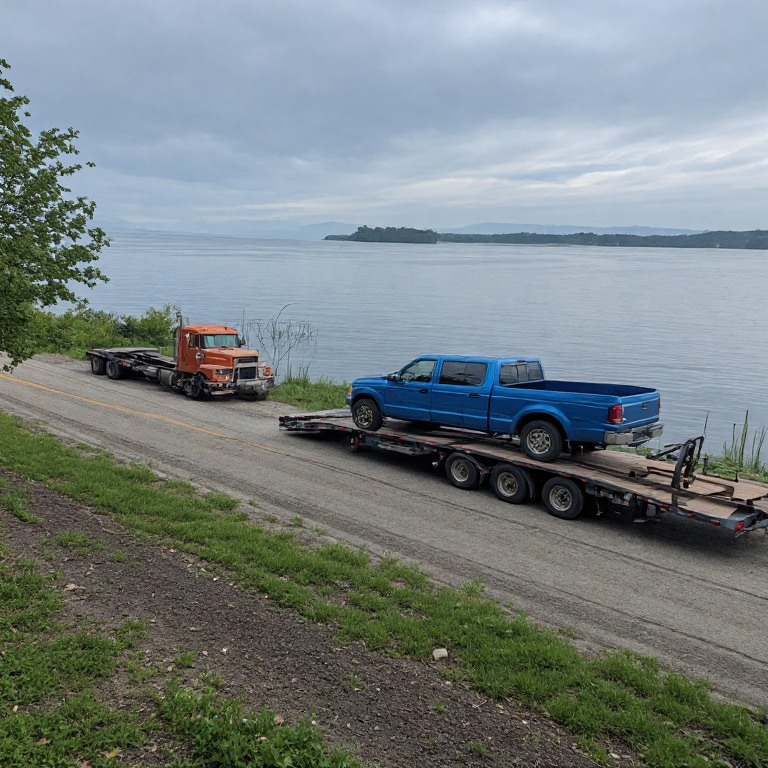
A dealership does not always sell every vehicle from the lot where it first arrives. Inventory may need to move from one dealership to another because one location has excess stock, another has a customer waiting, or a specific model is performing better in a different market.
When that transfer involves hundreds of miles, putting an employee behind the wheel of every vehicle can quickly become inefficient. Fuel, labor hours, mileage, scheduling, and driver availability all become part of the equation. This is where dealer to dealer auto transport can give dealerships a more practical way to move inventory.
Inventory Doesn’t Always Stay Where It Starts
Vehicle transfers happen for plenty of business reasons.
A dealership group may have several locations across a state or multiple states. One showroom might have too many SUVs while another needs additional inventory. A recently acquired vehicle may also need to be sent to the dealership where it has a buyer waiting.
Common situations include:
- Transferring vehicles between franchise locations
- Moving used inventory between dealerships
- Delivering sold vehicles to another dealer
- Rebalancing inventory between busy and slower locations
- Moving auction purchases to a dealership
- Sending vehicles to another market for resale
The distance may be manageable on a map, but repeating these moves can consume valuable dealership resources.
The Hidden Cost of Driving Every Vehicle
Suppose a dealership needs to move several vehicles across state lines. Sending employees to drive each one creates a logistical chain that goes beyond fuel.
Someone has to arrange the drivers. Employees spend working hours on the road instead of at the dealership. Additional mileage is added to the vehicles, and the return journey may require another transportation arrangement.
For a business handling multiple transfers, these inconveniences can add up.
Professional transportation allows dealership employees to remain focused on sales, customer service, vehicle preparation, and other responsibilities while the vehicles are moved separately.
One Transfer Can Have Several Moving Parts
A successful dealer transfer is not simply about getting a vehicle onto a carrier.
The transportation company needs accurate information about both locations, the vehicles being moved, and the timing requirements. Dealership operating hours also matter because a carrier arriving after the receiving department has closed may create unnecessary complications.
Before arranging transportation, dealerships should confirm:
- Pickup and delivery addresses
- Vehicle identification information
- Number of vehicles being transferred
- Vehicle operating condition
- Dealership receiving hours
- Preferred pickup timeframe
- Special vehicle requirements
- Contact information at both locations
Getting these details organized early makes coordination easier.
When Multiple Vehicles Need to Move
Moving one vehicle is different from moving a group of vehicles.
A dealership transferring several cars may need transportation that accommodates multiple vehicles in one shipment. Consolidating vehicles where practical can simplify scheduling and reduce the number of separate handoffs.
However, the vehicles should still be described accurately. Different sizes, conditions, and vehicle types may affect how the shipment is planned.
For example, transferring a mix of sedans, SUVs, and pickup trucks is not necessarily identical to moving several similar passenger cars.
Open or Enclosed Transport?
Dealerships also need to consider the type of carrier.
Open transport is commonly used for standard dealership inventory and can be a practical solution for moving everyday vehicles.
Enclosed transport may be worth considering for high-value, exotic, luxury, classic, or specialty vehicles where additional protection is a priority.
The right choice depends on the vehicles involved, their value, condition, and the dealership’s transportation requirements.
Timing Matters More Than Most People Expect
A dealership transfer is often connected to another business event.
Perhaps a customer is waiting for a vehicle. Maybe inventory needs to reach a location before a weekend sales event. A dealership could also be preparing for a major inventory change.
Because of this, transportation should be scheduled with realistic pickup and delivery expectations.
It is better to discuss timing requirements before booking than to assume a carrier can accommodate a last-minute deadline.
Traffic, weather, carrier availability, route conditions, and pickup logistics can all affect the final schedule.
Prepare Each Vehicle Before the Carrier Arrives
Dealership staff can make the handoff easier by preparing vehicles in advance.
Before pickup:
- Remove unnecessary personal items
- Check that the vehicle starts and operates properly
- Photograph existing exterior damage
- Record the vehicle’s condition
- Keep keys and required paperwork available
- Make sure the vehicle is accessible
- Communicate any mechanical issues
If a vehicle is not operational, that information should be provided before transportation is arranged. A carrier needs to know whether special loading considerations may be necessary.
Choosing a Transport Company for Dealer Transfers
Dealerships should evaluate transportation providers based on more than a quoted price.
Important considerations include experience, insurance, communication, transportation options, scheduling practices, and the ability to handle the actual vehicles being transferred.
Rapid Auto Shipping helps customers coordinate vehicle transportation throughout the USA. With more than 14 years of experience, the company offers free instant quotes, real-time updates, and fully insured transportation.
For dealerships managing recurring inventory movements, clear communication can be particularly valuable because several people may be involved in the same transfer.
A Better Way to Think About Dealer Transfers
Instead of viewing transportation as simply “getting a car from Point A to Point B,” dealerships can treat each transfer as part of their inventory management process.
Identify the need → Confirm the vehicles → Check access → Schedule transportation → Prepare the inventory → Complete the handoff.
This approach helps reduce last-minute surprises and gives dealership teams a clearer understanding of what needs to happen before the carrier arrives.
Keeping Inventory Moving Without Pulling Staff Off the Lot
Dealership inventory has value whether it is sitting on a showroom floor, waiting for a buyer, or moving between locations. Using employees to drive vehicles long distances can take them away from the work they do at the dealership.
Professional dealer to dealer auto transport gives dealerships another option for handling those transfers. With accurate vehicle information, realistic scheduling, proper preparation, and a transportation provider suited to the shipment, inventory can move between locations while dealership teams stay focused on running the business.
Frequently Asked Questions
1. What is dealer to dealer auto transport?
It is the transportation of vehicles from one dealership location to another, often across cities or state lines, using professional vehicle transportation.
2. Can dealerships transport multiple vehicles at once?
Yes. Multiple vehicles may be transported together when the carrier and shipment requirements allow it.
3. Is dealer-to-dealer transportation only for new vehicles?
No. Used vehicles, auction purchases, customer vehicles, trade-ins, and other dealership inventory can also require transportation.
4. Can a non-running dealership vehicle be transported?
Potentially, yes. The vehicle’s condition should be disclosed before booking so appropriate loading arrangements can be considered.
5. Does dealership location affect transportation?
Yes. Accessibility, operating hours, loading areas, traffic conditions, and pickup or delivery restrictions can influence transportation planning.
6. What information should a dealer provide for a quote?
Useful information includes vehicle details, pickup and delivery addresses, vehicle condition, number of vehicles, preferred timing, and any special requirements.