Moles are common skin features, and most are harmless. However, changes in a mole’s appearance can sometimes indicate that it needs closer medical attention. This is where dermoscopy becomes useful. Dermoscopy is a non-invasive skin examination technique that allows a trained professional to look at a mole in greater detail than is possible with the naked eye.
For people searching for Dermoscopy mole evaluation dubai, understanding how the process works can make it easier to recognize why this examination may be recommended and what to expect during an assessment.
What Is Dermoscopy?
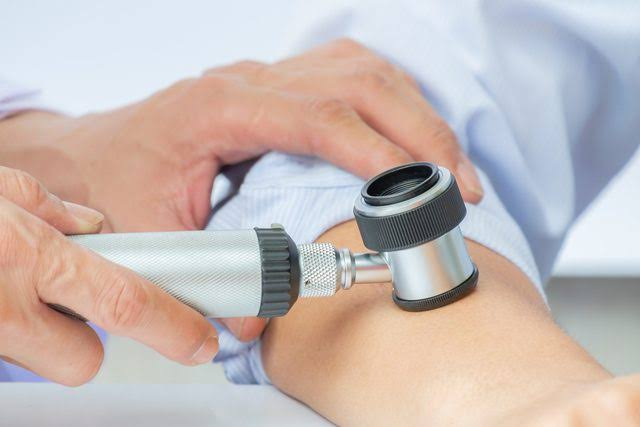
Dermoscopy is a specialized examination of the skin using a handheld device called a dermatoscope. The instrument combines magnification with specialized lighting, allowing deeper visual structures within the skin to be examined.
A conventional visual examination may identify obvious changes in the size, color, or shape of a mole. Dermoscopy can provide additional information about the mole’s internal patterns, pigmentation, borders, and other features that may not be clearly visible without magnification.
The examination is generally quick and does not involve cutting or damaging the skin.
Why Is Mole Evaluation Important?
Most moles do not cause problems. Nevertheless, monitoring them can be important because certain skin cancers, including melanoma, may initially resemble an ordinary mole.
Regular awareness of your skin can help you notice changes such as:
- A mole becoming larger or changing shape
- Uneven or irregular borders
- Multiple colors appearing within the same mole
- A noticeable change in pigmentation
- Persistent itching, bleeding, or crusting
- A mole that looks significantly different from others on the skin
- A new or changing pigmented spot
These signs do not automatically mean that a mole is cancerous. They simply indicate that further professional evaluation may be appropriate.
How Does Dermoscopy Mole Evaluation Work?
During a dermoscopic examination, the skin professional first assesses the mole and surrounding skin. The dermatoscope is then placed over the area to obtain a magnified view.
Depending on the equipment used, dermoscopy may reveal patterns related to:
- Pigment distribution
- Mole symmetry
- Border characteristics
- Color variation
- Vascular structures
- Surface patterns
- Other microscopic features of the lesion
The findings are considered together rather than relying on one feature alone. A trained professional may also compare the mole with other lesions on the same person’s skin.
This broader assessment can help determine whether a mole appears reassuring or whether additional monitoring, investigation, or treatment should be considered.
Understanding the ABCDE Rule
One useful way to become familiar with suspicious mole changes is the ABCDE approach:
A – Asymmetry: One half of the mole does not closely match the other half.
B – Border: The edges may appear irregular, uneven, blurred, or poorly defined.
C – Color: A mole may contain several shades or develop a noticeable change in color.
D – Diameter: A lesion that becomes larger should be assessed, although size alone does not determine whether a mole is concerning.
E – Evolving: A mole that changes over time in appearance, size, shape, color, or symptoms deserves attention.
The ABCDE rule is useful for skin awareness, but it cannot replace a professional examination. Some concerning lesions may not display every ABCDE feature, which is why dermoscopy can provide valuable additional information.
What Happens After a Dermoscopic Examination?
The next step depends on the characteristics of the mole and the overall clinical assessment. If a lesion appears stable and reassuring, monitoring may be recommended.
For lesions that require closer attention, the professional may suggest follow-up examinations or further investigation. In some cases, removal and laboratory examination of the tissue may be considered to establish a definitive diagnosis.
It is important to understand that dermoscopy itself does not automatically provide a final diagnosis of skin cancer. Rather, it is an assessment tool that helps identify patterns and determine whether additional evaluation may be necessary.
Why Consider Dermoscopy Mole Evaluation in Dubai?
Dubai has a diverse population and a strong focus on modern healthcare and preventive skin care. People may seek mole assessments for different reasons, including noticing a recent change, having numerous moles, wanting a baseline skin examination, or simply becoming more aware of skin health.
When searching for Dermoscopy mole evaluation Dubai, it is helpful to look for an appropriate medical setting where qualified professionals use dermoscopic examination as part of a broader skin assessment.
A good evaluation should involve more than simply looking at a mole through magnification. The professional should consider the lesion’s history, appearance, changes over time, and relevant individual factors.
How to Prepare for a Mole Assessment
There is usually little preparation required for dermoscopy. However, it can be useful to think about when you first noticed the mole and whether it has changed.
Before an appointment, consider:
- Taking note of recent changes in size, shape, or color
- Mentioning symptoms such as bleeding or persistent itching
- Identifying any newly appearing unusual spots
- Bringing previous photographs if you have them
- Avoiding assumptions based solely on online images
Keeping track of changes can make conversations during a skin assessment more informative.
Dermoscopy and Regular Skin Awareness
Dermoscopy is most useful when combined with regular awareness of your own skin. Checking your moles periodically can help you recognize changes earlier.
A simple approach is to become familiar with the normal appearance of your moles and pay attention to anything that looks noticeably different. It can also be helpful to examine less obvious areas, including the scalp, back, arms, legs, and other areas that are difficult to see without assistance.
People with a large number of moles or a history of changing skin lesions may benefit from discussing an appropriate monitoring approach with a qualified healthcare professional.
When Should You Seek Professional Evaluation?
A changing mole should not be ignored simply because it has existed for a long time. Similarly, a new or unusual skin lesion may deserve professional attention.
Consider arranging an evaluation if you notice:
- Rapid or noticeable changes
- Persistent bleeding or crusting
- A new unusual pigmented lesion
- Significant changes in color or shape
- A lesion that repeatedly becomes irritated
- A spot that looks distinctly different from your other moles
Early assessment does not mean that a serious condition is present. It simply allows a qualified professional to determine what the skin change may represent.
Final Thoughts
Understanding dermoscopy mole evaluation can help people become more proactive about skin health. By providing a magnified view of structures and patterns that may not be visible to the naked eye, dermoscopy can support a more detailed assessment of suspicious or changing moles.
For those researching Dermoscopy mole evaluation Dubai, the key is to focus on professional assessment, appropriate follow-up, and awareness of changes in the skin. While most moles are harmless, paying attention to evolving lesions and seeking timely medical advice can be an important part of responsible skin care.