Facial aging can involve both skin laxity and gradual loss of volume, particularly around the cheeks, temples, and lower face. A facelift primarily addresses loose or sagging facial tissues, while fat transfer can restore volume to areas that appear flatter or less defined. For people with both concerns, Facelifts in Abu Dhabi may be combined with carefully planned fat transfer to create a more balanced and rejuvenated facial appearance. Combining these procedures can address different aspects of facial aging during one treatment plan when an individual is considered suitable.
How Facelift Surgery Addresses Facial Aging
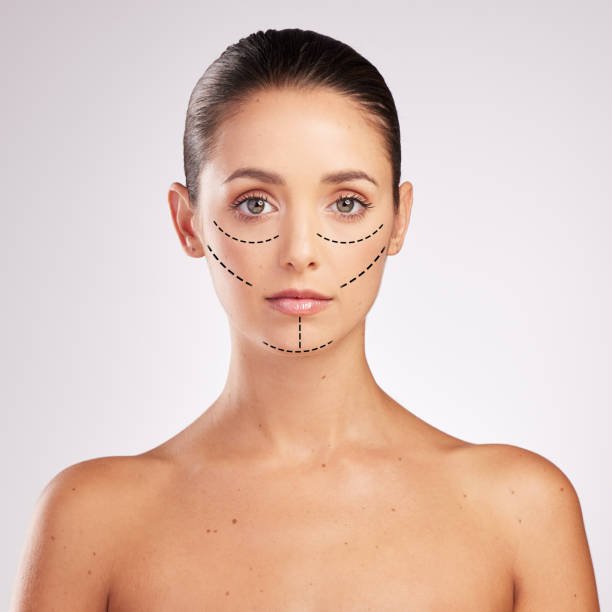
A facelift is designed to improve visible signs of facial laxity by repositioning selected tissues and refining excess skin. As the face ages, supportive tissues can gradually shift downward, contributing to sagging cheeks, jowls, and less-defined facial contours.
During facelift surgery, the tissues are carefully adjusted to create a firmer and more structured appearance. Excess skin may also be addressed to improve the overall contour. The objective is not simply to pull the skin tighter but to restore a more balanced relationship between the skin and underlying facial structures.
However, tightening alone does not necessarily restore volume that has been lost with age. This is where fat transfer can complement the procedure.
What Is Facial Fat Transfer?
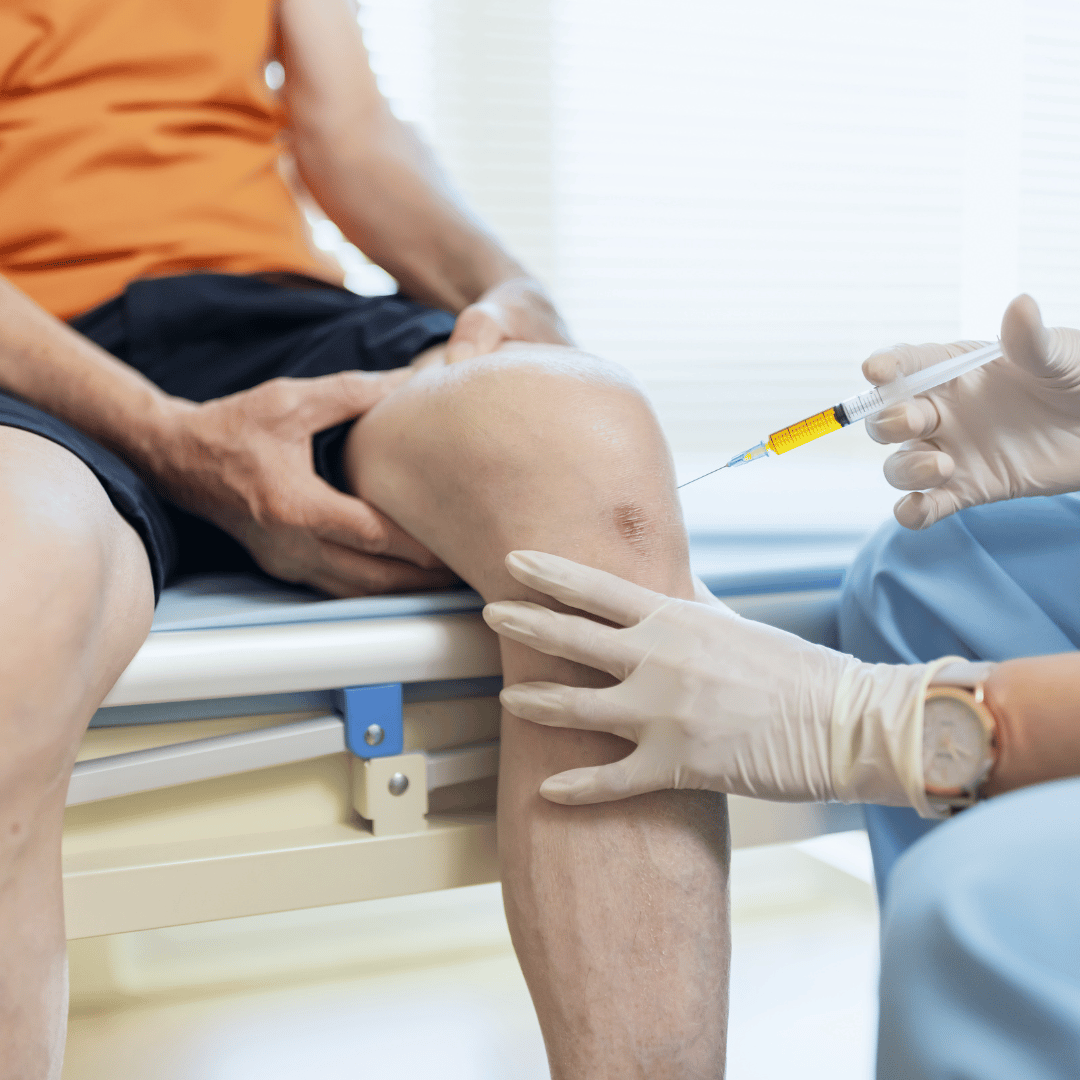
Fat transfer involves taking a small amount of the individual’s own fat from a suitable donor area, processing it, and carefully placing it into selected areas of the face.
Facial fat can be used to enhance areas that have become hollow or flatter over time. Common treatment areas may include the cheeks, temples, under-eye region, or other areas where additional volume can improve facial balance.
Because the transferred tissue comes from the individual’s own body, the approach is different from using synthetic fillers. The amount and location of fat can be carefully planned according to the person’s facial structure and desired appearance.
Why Combine a Facelift With Fat Transfer?
A facelift and fat transfer address different aspects of facial aging. A facelift focuses primarily on laxity and sagging, while fat transfer focuses on restoring or enhancing facial volume.
When both concerns are present, treating only one may leave the overall appearance less balanced. Tightening loose skin without restoring lost volume may create a firmer face that still appears somewhat hollow. Adding volume without addressing significant laxity may not adequately improve sagging.
Combining the two approaches allows facial rejuvenation to address both structure and volume. The goal is to create a smoother, more harmonious appearance while maintaining the person’s natural facial proportions.
Can Facelift and Fat Transfer Be Performed Together?
In suitable candidates, facelift surgery and facial fat transfer can be performed as part of the same overall procedure. Combining treatments can allow different facial concerns to be addressed during one coordinated surgical plan.
The approach depends on the individual’s facial anatomy, degree of skin laxity, existing facial volume, and desired outcome. Treatment areas are selected carefully so that the amount of fat added complements the changes created by the facelift.
Proper planning is particularly important because excessive volume can affect facial proportions. The aim is generally to restore natural-looking fullness rather than create an overly full appearance.
How Does Fat Transfer Complement a Facelift?
A facelift can improve sagging tissues and redefine facial contours, but it does not necessarily replace volume that has diminished over time. Fat transfer can complement the lifting component by restoring fullness to selected areas.
For example, adding carefully controlled volume to the cheeks may enhance the transition between the cheek and lower face. Restoring volume in other areas can also create a smoother relationship between facial features.
The combination can therefore provide a more comprehensive approach to facial rejuvenation. Instead of focusing solely on lifting, the treatment plan considers both the position and volume of facial tissues.
Is Combining the Procedures Safe?
Combining procedures can be appropriate when an individual is medically suitable and the treatment is carefully planned. Safety depends on factors such as overall health, facial anatomy, the extent of surgery, and the specific techniques being used.
A thorough evaluation is important before combining treatments. The surgical plan should consider how the procedures interact and whether performing them together is appropriate for the individual.
The amount of fat transferred also needs to be carefully controlled. Facial anatomy varies significantly from person to person, so volume should be tailored rather than applied according to a standard formula.
What Makes a Good Candidate?
A suitable candidate may be someone experiencing both visible facial laxity and areas of volume loss. For example, a person may have sagging along the lower face while also noticing flatter cheeks or hollow-looking areas.
Good candidates generally need to have realistic expectations and understand what each procedure is designed to accomplish. A facelift can address laxity, while fat transfer can restore selected areas of volume. Neither procedure is intended to completely change a person’s natural facial identity.
The decision to combine treatments should always be based on an individualized assessment rather than simply choosing multiple procedures at once.
Can Combined Treatment Create a Natural-Looking Result?
Natural-looking results depend heavily on balance. A facelift that provides excessive tightening or fat transfer that adds too much volume can affect facial proportions.
When the procedures are carefully coordinated, the goal is to restore a refreshed appearance while preserving recognizable facial characteristics. Fat can be placed in small, controlled amounts to complement the new facial contours created by the lift.
The objective is not to make every area of the face fuller or tighter. Instead, treatment should focus on areas where changes can create better overall harmony.
What Areas Can Be Treated With Fat Transfer?
Facial fat transfer can be tailored to areas affected by volume loss. The cheeks are commonly considered because age-related volume changes can make the midface appear flatter. Other areas may also be evaluated depending on the individual’s facial structure.
The appropriate treatment areas depend on the person’s existing proportions and the changes created by the facelift. Adding volume should support the overall facial design rather than work independently from the lifting procedure.
A carefully planned combination can therefore address multiple signs of facial aging while maintaining a cohesive appearance.
Why Individualized Planning Matters
Every face ages differently. Some people have significant skin laxity with relatively preserved facial volume, while others experience noticeable volume loss alongside moderate sagging.
This variation makes personalized planning essential. The amount of lifting required, the areas needing additional volume, and the amount of fat that may be transferred can all differ.
An individualized approach also helps ensure that the facelift and fat transfer work together rather than producing competing changes. The ultimate goal is a balanced facial rejuvenation plan that addresses the person’s specific concerns.
Final Thoughts
Facelifts can be combined with fat transfer when both facial laxity and volume loss are present and the individual is considered suitable for combined treatment. The facelift focuses on improving sagging tissues and facial definition, while fat transfer can restore carefully selected areas of lost volume. Together, these procedures can provide a more comprehensive approach to facial rejuvenation by addressing both tissue position and facial fullness. Careful evaluation, realistic expectations, and individualized planning are essential for achieving a balanced and natural-looking result.
FAQs
Can a facelift and fat transfer be done together?
Yes, suitable candidates may have both procedures incorporated into one coordinated facial rejuvenation plan.
Why combine fat transfer with a facelift?
The combination can address both loose facial tissues and areas affected by volume loss.
Does fat transfer improve facelift results?
It can complement a facelift by restoring volume in selected areas and improving overall facial balance.
Is combined facelift and fat transfer suitable for everyone?
No. Suitability depends on individual health, facial anatomy, skin laxity, and volume loss.
Can combined treatment look natural?
Yes, carefully planned lifting and conservative volume restoration can create a balanced and natural-looking facial appearance.