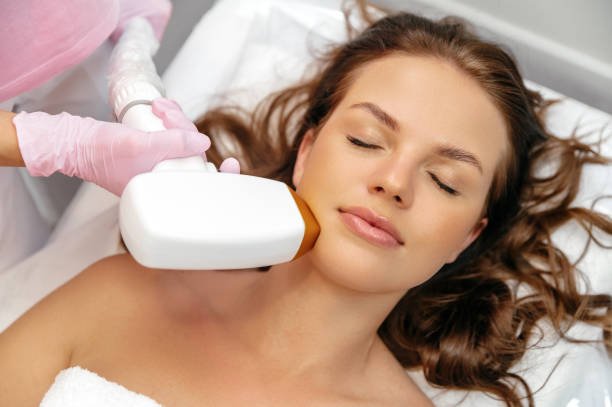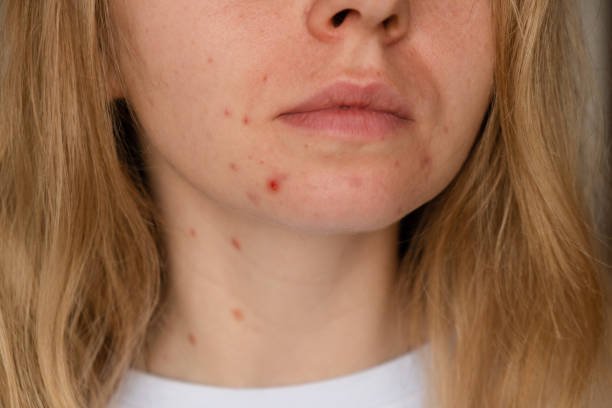
Acne scars can leave the skin looking uneven, with shallow dips, raised areas, or changes in texture that remain after breakouts have settled. Laser Acne Scar treatment in Abu Dhabi may help soften the appearance of these marks and create a smoother-looking complexion. The results depend on the type of scars, the skin’s characteristics, and the treatment plan. A careful assessment can help determine whether laser treatment is a suitable option.
How Laser Treatment Can Improve Skin Texture
Laser treatments use focused light energy to target selected areas of the skin. Depending on the method used, the energy may encourage the skin’s natural renewal process or help stimulate collagen, a structural protein that supports firmness and smoothness. As the skin gradually renews, some scars may appear less noticeable and the surrounding texture may look more even.
Laser treatment does not erase every scar or make all skin look identical. Instead, improvement is often gradual, and the aim is usually to reduce visible irregularities. A qualified skin professional can explain what changes may be realistic for an individual’s scar pattern and skin tone.
Types of Acne Scars That May Respond
Acne scars vary in shape and depth, so one approach may not suit every person. Laser treatment may be considered for several common types:
- Atrophic scars: These appear as indentations where the skin has lost some supporting tissue. They include narrow, deeper marks and broader, shallower depressions.
- Rolling scars: These create a gently uneven or wave-like surface, often because bands beneath the skin pull the surface downward.
- Boxcar scars: These are wider depressions with more defined edges and may appear on the cheeks or temples.
- Raised scars: These sit above the surrounding skin. Their suitability for laser treatment depends on their size, location, and tendency to grow.
Red or brown marks left after acne are not always true scars. They may be changes in skin colour rather than changes in skin structure. An assessment can distinguish between the two and guide the choice of treatment.
What Happens During an Assessment
Before treatment, a professional typically reviews the person’s skin history, current concerns, and previous approaches to acne scarring. The skin is examined to identify scar types, depth, distribution, and tone. This information helps shape a plan that considers both the desired improvement and the person’s comfort.
The assessment may also cover how many sessions could be appropriate and how much time may be needed between them. There is no single schedule that works for everyone. Skin response and scar characteristics can differ, so the plan may be adjusted over time.
What a Treatment Session May Involve
The exact experience depends on the laser technology and the area being treated. The skin is generally prepared before the device is applied in a controlled pattern. The session length varies with the size of the area and the treatment approach.
Some methods focus on small sections of skin, while others treat a broader surface. The professional can explain what sensations to expect and how the skin may look immediately afterward. Clear instructions should be provided before the session so the person knows what to expect during recovery.
What Results Can Be Expected
Texture changes usually develop gradually rather than appearing all at once. The skin needs time to renew and respond to treatment, and a series of sessions may be suggested for more noticeable improvement. The degree of change depends on factors such as scar depth, skin type, and how the skin heals.
A realistic goal is often softer-looking scars and a more even surface, not completely scar-free skin. In some cases, laser treatment may be part of a broader plan that uses more than one professional approach. Any additional method should be discussed with a qualified provider rather than chosen without an assessment.
Who May Be a Suitable Candidate?
Laser treatment may be considered by people whose acne is under control but who remain concerned about uneven texture or visible scars. Suitability depends on the person’s skin, health history, and the characteristics of the scars. Some skin tones may require particular care when selecting a laser and settings, making an individual assessment especially important.
People with active breakouts may be advised to address ongoing acne before focusing on scars. Treating active acne first can help reduce the chance of new marks forming while the existing texture concerns are being addressed.
Questions to Ask Before Treatment
A thoughtful conversation can help someone make an informed decision. Useful questions include:
- Which scar types are present, and which may respond to laser treatment?
- What kind of improvement is realistic for this skin?
- How many sessions may be recommended?
- How will progress be reviewed?
- Are there other professional approaches that may suit the same concerns?
These questions encourage clear expectations and help the person understand how the plan relates to their individual skin.
Frequently Asked Questions
Can laser treatment make facial texture completely smooth?
Laser treatment may improve the appearance of uneven texture, but complete smoothing cannot be guaranteed. Scar depth and skin response vary, so results differ from person to person.
How many sessions may be needed?
The number of sessions depends on the scar pattern, the laser approach, and the skin’s response. A professional can suggest a plan after examining the skin, then review progress as treatment continues.
When might changes become noticeable?
Some people notice gradual changes over time as the skin renews. Improvements may continue to develop between sessions, so progress is usually assessed over a longer period rather than immediately after one appointment.
Can all acne marks be treated with a laser?
Not all marks are the same. Indented or raised scars differ from temporary colour changes, and each concern may call for a different approach. An assessment helps identify what is being treated.
Is laser treatment suitable for every skin type?
Suitability depends on individual skin characteristics and the technology selected. A qualified professional should assess skin tone, history, and scar type before recommending treatment.
A Considered Approach to Smoother-Looking Skin
Laser treatment can be a useful option for improving the appearance of acne scars and supporting a more even facial texture. Its value comes from matching the approach to the person’s skin and setting realistic goals. With a thorough assessment, clear guidance, and patience as changes develop, individuals can make informed decisions about whether this treatment fits their needs.