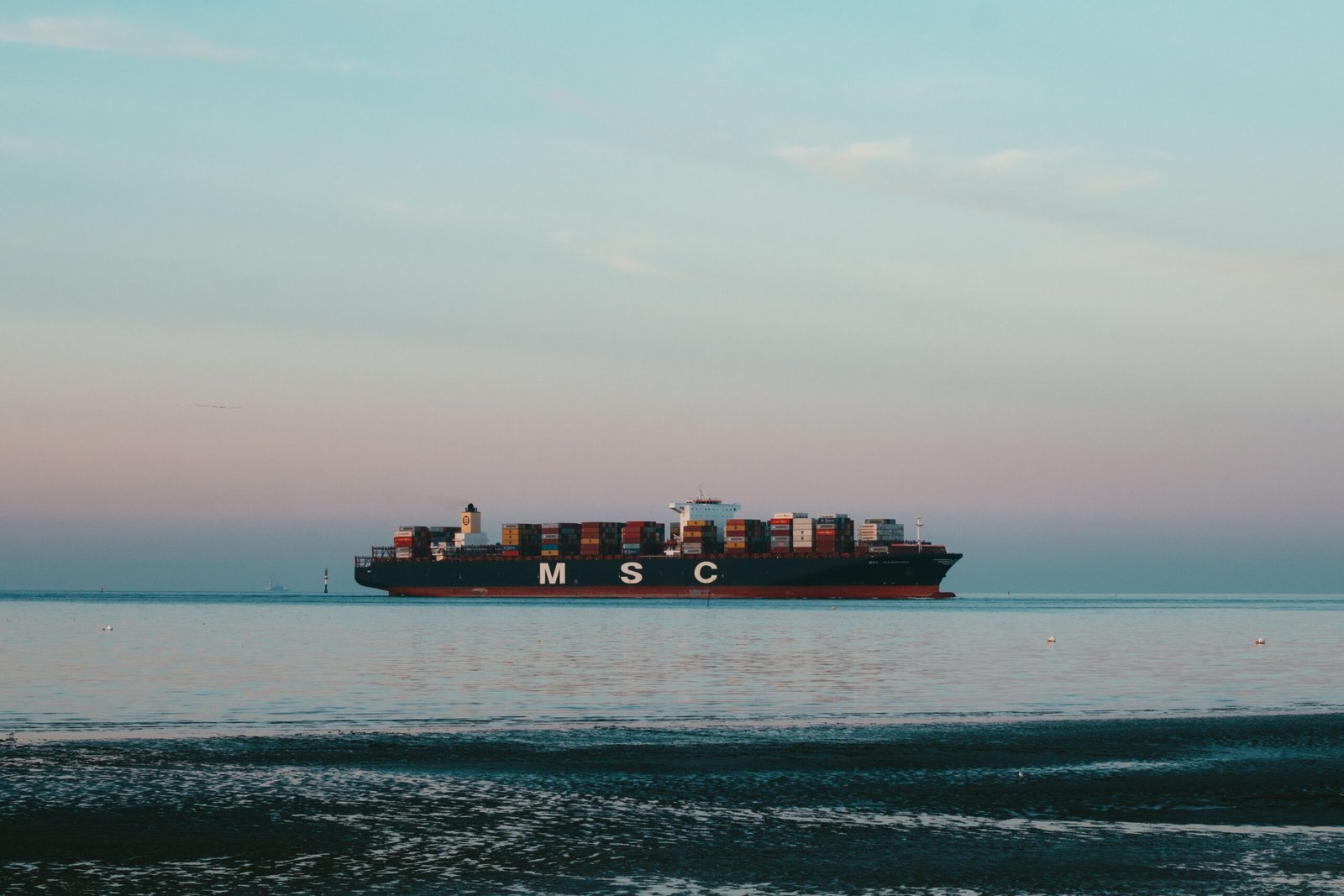
Choosing the right insurance policy for a vessel can be challenging, especially for owners and operators who are new to marine insurance. There are different types of vessels, activities and risks to consider, and a policy that works well for one operator may not be suitable for another.
Marine liability insurance is designed to help protect vessel owners and operators from certain third-party liabilities that can arise from their marine activities. However, not every policy provides the same level of protection.
Understanding what to look for can help you compare policies more carefully and avoid choosing cover based only on price.
Understand What Marine Liability Insurance Covers
The first step is understanding what marine liability insurance is actually designed to cover.
Marine liabilities insurance can provide protection against certain claims arising from incidents involving a vessel or its operations. Depending on the policy, this may include third-party bodily injury, property damage and other covered liabilities.
The exact protection varies between insurers, so it is important not to assume that every policy covers the same risks.
Before comparing quotes, think about the types of incidents your business could realistically face. This gives you a better starting point for deciding what cover you need.
Consider the Type of Vessel You Operate
The type of vessel you own or operate can have a major impact on your insurance requirements.
A small fishing vessel, passenger boat, cargo vessel and commercial workboat can all have very different risk profiles.
For example, a passenger vessel may have greater exposure to claims involving people on board, while a workboat could face risks associated with construction, maintenance or other commercial activities.
When requesting a quote, provide accurate information about the vessel, including its size, purpose, operating area and how it is used.
Providing incomplete or inaccurate information could create problems if you need to make a claim later.
Think About How the Vessel Is Used
The vessel itself is only part of the equation. Its activities are equally important.
Ask yourself what the vessel is used for and who interacts with it.
Does it carry passengers? Transport equipment? Support commercial operations? Operate near ports? Travel offshore?
These details can affect the types of liability risks you face.
An insurance policy should reflect the actual activities being carried out. Using a vessel outside the activities permitted by the policy could potentially affect your coverage.
Check the Policy Limits
Policy limits are another important consideration.
A liability policy will generally have a maximum amount that the insurer will pay for covered claims, subject to the terms and conditions of the policy.
Choosing a limit that is too low could leave you exposed if a serious accident results in substantial third-party costs.
At the same time, higher limits may increase your premium.
The right balance depends on your vessel, operations, contractual requirements and overall exposure to risk.
If you are unsure about the appropriate limit, discuss your situation with an experienced marine insurance broker or adviser.
Pay Attention to Exclusions
One of the biggest mistakes people make when comparing insurance policies is focusing only on what is covered.
You also need to understand what is not covered.
Exclusions can vary between policies. They may relate to certain activities, geographic areas, types of vessels, pollution events, contractual responsibilities or other circumstances.
Reading the exclusions can help you identify potential gaps before you purchase the policy.
Do not hesitate to ask the insurer or broker to explain an exclusion if you are unsure what it means.
Check the Navigation Area
Where your vessel operates can be extremely important.
A policy may have specific navigation limits that determine where the vessel is permitted to operate while remaining within the terms of the cover.
For example, a vessel that normally operates close to shore may have different insurance requirements from one that regularly travels longer distances or operates offshore.
If you plan to change your usual operating area, check with your insurer first. A policy that is suitable for one navigation area may not automatically provide the same protection elsewhere.
Consider Passenger and Crew Risks
If your vessel carries passengers or crew, consider how these people are treated under the policy.
Injuries involving people on board can result in significant claims and legal expenses.
Passenger numbers, crew responsibilities and the nature of the operation can all influence the risk profile.
A sightseeing vessel, for example, may regularly carry members of the public who have little knowledge of marine safety procedures. This creates different considerations from a privately operated vessel.
Make sure your insurer understands exactly who uses the vessel and what they do on board.
Look at Pollution and Environmental Risks
Marine incidents can sometimes result in fuel, oil or other substances entering the water.
Depending on the circumstances, this could create cleanup costs, regulatory issues or third-party claims.
Pollution-related protection can therefore be an important consideration when choosing marine liabilities insurance.
Do not assume that environmental liabilities are automatically covered. Check the policy wording carefully and ask about any relevant exclusions, sub-limits or conditions.
Understand Legal and Defence Costs
A liability claim does not always end with a straightforward payment.
There may be disputes about who was responsible, how much damage occurred or whether a particular loss is covered.
Legal and defence costs can become significant, particularly when a claim is complicated.
When comparing policies, check how legal costs are handled and whether they are included within the overall liability limit or treated separately.
The exact arrangement will depend on the policy, so understanding this before an incident occurs can help prevent unpleasant surprises.
Compare the Excess
The excess is the amount you may need to contribute towards a covered claim before the insurer pays the remaining amount, subject to the policy terms.
A policy with a lower premium may come with a higher excess.
This is why comparing premiums alone can give you an incomplete picture of the overall cost.
Think about how much you could realistically afford to pay if you needed to make a claim. Choosing an excess that is too high could create financial pressure during an already difficult situation.
Don’t Choose a Policy Based Only on Price
Cost is naturally an important factor, particularly for small vessel operators.
However, the cheapest policy may not provide the protection your operation actually needs.
Instead of simply asking, “Which policy costs less?”, ask:
“Which policy provides suitable protection for the risks I actually face?”
A slightly more expensive policy may offer broader protection, higher limits or fewer important restrictions.
The goal should be value and suitability rather than simply finding the lowest premium.
Review the Policy as Your Business Changes
Your insurance requirements may change over time.
You might purchase another vessel, expand your operating area, start carrying passengers or take on new contracts.
These changes can affect your liability exposure.
Review your policy whenever there is a significant change to your operations. Inform your insurer or broker rather than assuming your existing cover will automatically adjust.
Keeping your policy updated can help reduce the risk of discovering a coverage gap after an incident.
Ask Questions Before You Buy
Marine insurance can contain terminology that is difficult for beginners to understand.
If you are unsure about a clause, exclusion or coverage limit, ask for an explanation before purchasing the policy.
Useful questions include:
- What liabilities does the policy cover?
- What are the major exclusions?
- What are the policy limits?
- Are legal defence costs included?
- What navigation areas are permitted?
- Are pollution liabilities covered?
- What excess applies to different claims?
- Are there specific safety or maintenance conditions?
- What should I do if the vessel’s use changes?
Getting clear answers can make comparing policies much easier.
Final Thoughts
Choosing the right marine liability policy involves more than comparing insurance premiums. Vessel owners and operators need to consider their type of vessel, activities, navigation area, passengers, crew, potential environmental risks and contractual obligations.
Marine liabilities insurance can provide valuable protection against certain third-party claims, but the level of protection depends on the individual policy. Understanding limits, exclusions, excesses and conditions is therefore essential before making a decision.
Take time to assess your risks, compare suitable policies and ask questions when something is unclear. Speaking with an experienced marine insurance professional can also help you identify potential gaps and select cover that better matches your operation.
The right policy should not simply be the cheapest option. It should provide appropriate protection for the risks you are actually taking on the water.