When the body loses more fluid than it takes in, dehydration can develop quickly. Heat, exercise, illness, vomiting, diarrhea, sweating, or simply not drinking enough water can all contribute to low fluid levels. In these situations, people often wonder whether IV drips can provide faster hydration than drinking fluids.
IV Drips deliver fluids directly into a vein, allowing the fluid to enter the bloodstream without passing through the digestive system. This can make them useful when someone is significantly dehydrated or unable to drink enough fluids. However, the speed at which a person feels better depends on the severity and cause of dehydration, the type and amount of IV fluid used, and the person’s overall health.
For mild dehydration, drinking water and appropriate oral rehydration fluids is usually sufficient. IV hydration is generally more appropriate when oral fluids are not tolerated, are not enough, or when a healthcare professional determines that intravenous treatment is necessary.
How Do IV Drips Rehydrate the Body?
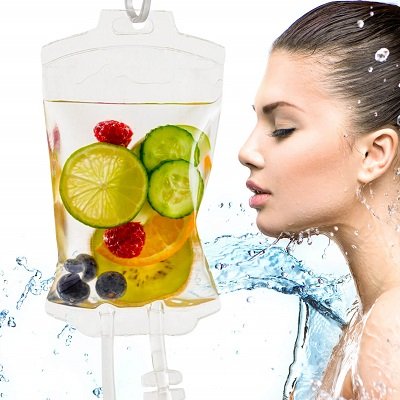
IV drips work by delivering fluids directly into a vein through a small catheter. Because the fluid does not need to travel through the stomach and intestines first, it becomes available to the circulation almost immediately.
Common IV fluids used for hydration include sterile solutions containing water and electrolytes. Depending on a person’s needs, a healthcare professional may select a specific fluid and volume.
The direct delivery of IV drips is one reason they can be useful in situations where rapid fluid replacement is medically appropriate. Someone who is vomiting repeatedly, for example, may struggle to keep enough fluid down. In that situation, intravenous fluids can provide an alternative route for hydration.
However, “immediate” delivery does not necessarily mean that dehydration is completely corrected within minutes. The body still needs time to distribute fluid throughout its tissues and restore an appropriate fluid and electrolyte balance.
How Quickly Can IV Drips Start Working?
IV fluids begin entering the bloodstream as soon as the infusion starts. Some people may notice an improvement in symptoms during the infusion or shortly afterward, particularly when dehydration is contributing to symptoms such as thirst, dizziness, weakness, or fatigue.
The actual rehydration time varies considerably.
For a person with relatively mild fluid loss, a healthcare professional may determine that a modest amount of IV fluid is sufficient. Someone with more substantial dehydration may require a larger amount of fluid and closer monitoring.
The response can also depend on why dehydration occurred in the first place. If dehydration resulted from heavy sweating after exercise, fluid replacement may produce noticeable improvement relatively quickly. If it resulted from prolonged vomiting, diarrhea, infection, heat illness, or another medical problem, treating the underlying cause is equally important.
It is therefore more accurate to say that IV hydration can begin working quickly, rather than promising that every person will be fully rehydrated within a specific number of minutes.
What Factors Affect IV Hydration Speed?
Several factors can influence how quickly a person responds to IV hydration.
Severity of Dehydration
Mild dehydration is different from moderate or severe dehydration. The more significant the fluid loss, the more carefully healthcare professionals need to determine how much fluid is appropriate.
Signs such as persistent dizziness, very low urine output, confusion, extreme weakness, rapid heartbeat, or inability to keep fluids down can indicate a more serious problem and warrant prompt medical assessment.
Type of IV Fluid
Different IV solutions contain different combinations of water and electrolytes. A healthcare professional selects the appropriate solution based on the person’s condition and treatment needs.
The goal is not simply to give as much fluid as possible. The fluid needs to be appropriate for the person’s circumstances.
Amount and Rate of Infusion
The volume and infusion rate can affect how quickly fluid is administered. Healthcare professionals consider factors such as age, body size, medical history, symptoms, and the likely cause of dehydration when determining an appropriate approach.
Giving fluids too quickly or in excessive amounts is not automatically better. Certain people, particularly those with heart, kidney, or other medical conditions, may be at risk from fluid overload.
Underlying Cause
Hydration may improve symptoms, but it does not necessarily resolve the reason dehydration developed.
For example, someone experiencing ongoing vomiting or diarrhea may continue losing fluids after an IV infusion. Similarly, someone with a significant infection or another medical condition may need additional treatment.
Are IV Drips Faster Than Drinking Water?
In terms of getting fluid into the bloodstream, IV administration is direct. Drinking fluids requires absorption through the gastrointestinal tract before the fluid reaches circulation.
That does not mean IV hydration is always the better option.
For mild dehydration, drinking water or an appropriate oral rehydration solution is often practical, effective, and less invasive. Oral fluids also allow a person to hydrate gradually according to thirst and fluid needs.
IV hydration becomes more relevant when oral hydration is difficult or inadequate. Examples can include significant vomiting, inability to swallow safely, severe dehydration, or certain medical situations where intravenous fluid replacement is clinically indicated.
For this reason, the fastest treatment is not necessarily the best treatment for every person. The appropriate route depends on the individual’s condition.
What Can Someone Expect During IV Hydration?
Before receiving IV fluids, a healthcare professional should assess the person’s symptoms and overall condition. Depending on the situation, this may include checking vital signs and considering relevant medical history.
During treatment, a small catheter is inserted into a vein, commonly in the arm or hand. The selected fluid is then administered through the IV line.
Some people may notice thirst, dizziness, weakness, headache, or fatigue improving as hydration is restored. Others may not experience an immediate change, particularly if another health issue is responsible for their symptoms.
After the infusion, the person may be advised to continue drinking fluids as appropriate. Rest and treatment of the underlying cause may also be important.
IV treatment is not completely risk-free. Possible complications include discomfort at the insertion site, bruising, infection, inflammation of the vein, or fluid-related complications. This is why IV hydration should be provided by appropriately trained healthcare professionals using suitable equipment and proper monitoring.
When Is IV Hydration Appropriate?
IV hydration can be appropriate when a person needs fluid replacement that cannot be adequately achieved through drinking.
Potential situations include significant dehydration, persistent vomiting, certain cases of diarrhea, heat-related illness, or situations where a person cannot safely or effectively consume enough fluids.
However, symptoms that appear to be simple dehydration can sometimes indicate something more serious. Severe confusion, fainting, difficulty breathing, chest discomfort, very little or no urination, severe weakness, or worsening symptoms should not be treated as a routine hydration issue.
People with conditions affecting the heart, kidneys, or fluid balance should also discuss IV hydration with a qualified healthcare professional before receiving treatment.
The key consideration is not simply how quickly fluid can be administered, but whether IV fluid is medically appropriate in the first place.
IV Drips and Recovery After Fluid Loss
Hydration is an important part of recovery after fluid loss, but it is only one component.
After intense physical activity, for example, replacing fluids and electrolytes may support recovery. After an illness involving vomiting or diarrhea, however, continuing fluid losses may require ongoing attention.
Nutrition, rest, electrolyte replacement when appropriate, and management of the underlying condition can all contribute to recovery.
People should also remember that symptoms such as tiredness or headache do not always result from dehydration. Lack of sleep, illness, low blood sugar, medication effects, and other factors can cause similar symptoms.
A healthcare professional can help determine whether dehydration is actually responsible and whether IV fluids are warranted.
FAQs About IV Drips
1. How quickly do IV drips start hydrating the body?
IV fluids begin entering the bloodstream as soon as the infusion starts. Some people may feel an improvement during or shortly after treatment, but the time required to correct dehydration varies according to the severity of fluid loss, the type and amount of fluid administered, and the person’s overall health.
2. Are IV drips better than drinking water?
Not necessarily. For mild dehydration, drinking water or an appropriate oral rehydration solution is often sufficient. IV fluids may be more appropriate when dehydration is significant or when a person cannot drink or keep enough fluid down.
3. How long does an IV hydration session take?
The duration varies depending on the prescribed fluid, volume, infusion rate, and the person’s medical needs. A healthcare professional determines an appropriate administration rate rather than using one standard time for everyone.
4. Can IV drips help with dehydration caused by vomiting or diarrhea?
They can be useful when vomiting or diarrhea causes significant fluid loss or prevents adequate oral hydration. However, the underlying cause also needs attention, particularly if symptoms are severe or persistent.
5. Are IV drips safe for everyone?
IV hydration is not automatically appropriate for everyone. People with certain heart, kidney, or fluid-balance conditions may require special consideration. IV treatment should be administered by qualified healthcare professionals who can assess the individual’s needs and monitor for complications.
6. Can someone become dehydrated again after an IV drip?
Yes. An IV infusion replaces fluid, but dehydration can return if fluid losses continue or adequate fluids are not consumed afterward. Treating the underlying cause and maintaining appropriate fluid intake are important parts of preventing recurrent dehydration.
Read More About IV Drips: https://autopedia.co.uk/events/oman/muscat/muscat-1/understanding-iv-drips-ingredients-uses-and-risks/