Liposuction is widely used to reshape areas of the body where localized fat affects overall contours, but many people wonder what happens when loose skin is also present. Understanding the difference between fat removal and skin tightening is important when considering body contouring. Liposuction Abu Dhabi focuses primarily on removing unwanted fat and refining body proportions, while the skin’s ability to contract afterward depends on factors such as elasticity, age, skin quality, and the amount of fat removed. Knowing how these factors interact can help create realistic expectations about the appearance of the treated area.
Does Liposuction Tighten Loose Skin?
Liposuction is primarily a fat-removal procedure rather than a dedicated skin-tightening treatment. When unwanted fat is removed, the skin may contract to some degree and adapt to the body’s new contours. The amount of natural contraction varies considerably from one person to another.
Skin with good elasticity may adjust more effectively after fat removal. When the skin is relatively firm and resilient, it can gradually conform to the underlying tissues, creating a smoother and more defined appearance. However, significantly loose skin may not contract enough to produce the desired contour.
This distinction is important because removing fat does not automatically remove excess skin. The final appearance depends on how well the remaining skin adapts to the new body shape.
Can Liposuction Make Loose Skin Look Worse?
Liposuction does not necessarily make loose skin worse, but removing underlying fat can make pre-existing skin laxity more noticeable in some situations. Fat can provide volume beneath the skin, and when that volume is reduced, loose skin may become more apparent.
If someone already has significant excess skin or limited elasticity, simply removing fat may not provide the smooth contour they expect. In such cases, the remaining skin may not contract sufficiently around the newly reduced area.
This is why evaluating skin quality is an important part of body contouring. The goal is to determine whether the skin is likely to adapt well after fat removal and whether another approach may be more appropriate for substantial laxity.
What Determines How Skin Responds After Liposuction?
Several characteristics influence the skin’s ability to contract after liposuction. Skin elasticity is one of the most important factors because elastic skin can generally adapt more effectively to changes in underlying volume.
Age can also influence skin resilience. Younger skin often has greater natural elasticity, although individual differences are significant. Previous weight changes, pregnancy, sun exposure, genetics, and the overall quality of the skin can also affect how it responds.
The amount of fat being removed and the location being treated may also influence the final contour. Areas with naturally thinner or less elastic skin may respond differently from areas with stronger skin support.
Does Removing Less Fat Help Prevent Loose Skin?
The objective of liposuction is not simply to remove as much fat as possible. A carefully planned procedure focuses on improving proportions and creating a balanced contour.
Removing an appropriate amount of localized fat can help preserve a natural relationship between the skin and underlying tissues. Excessive fat removal is not the goal because body contouring depends on achieving harmonious proportions rather than maximizing fat reduction.
When the treatment is planned around the individual’s existing anatomy and skin characteristics, the resulting contour can appear more natural and balanced.
Can Liposuction Improve the Appearance of Loose Skin?
Liposuction may improve the appearance of an area where loose-looking contours are partly caused by excess localized fat. When fat contributes to fullness, removing it can create a more defined underlying shape.
If the skin has sufficient elasticity, it may gradually conform to this new contour. This can make the treated area look smoother and firmer even though liposuction itself is not primarily designed to tighten skin.
The distinction becomes particularly important when the main concern is excess skin rather than excess fat. In that situation, removing fat alone may not fully address the person’s aesthetic goal.
How Does Skin Elasticity Affect Liposuction Results?
Skin elasticity refers to the skin’s ability to stretch and return toward its previous shape. This characteristic has a direct influence on how the skin responds after changes in underlying volume.
When elasticity is strong, the skin can contract and follow the new body contour more effectively. When elasticity is significantly reduced, the skin may remain looser after fat removal.
This is why two people undergoing treatment in the same body area can experience very different contour changes. Their skin quality, fat distribution, age, and previous changes in body weight may all influence how the skin adapts.
What Happens When Someone Has Significant Loose Skin?
Significant loose skin presents a different challenge from localized fat. If the skin has stretched considerably and lost much of its elasticity, removing the fat underneath it may not be enough to create a tight, smooth appearance.
This can occur after substantial weight loss or major changes in body volume. In these situations, the primary concern may be excess skin rather than excess fat.
A personalized assessment can help distinguish between these concerns. When both fat and loose skin are present, the treatment strategy needs to address the relationship between the two rather than focusing exclusively on fat removal.
Can Liposuction Be Combined With Skin-Tightening Approaches?
In some body-contouring plans, liposuction may be combined with approaches specifically designed to improve skin firmness. The appropriate combination depends on the amount of fat, degree of skin laxity, body area, and desired contour.
The purpose of combining treatments is to address different aspects of body shape. Liposuction can focus on localized fat, while a skin-tightening approach may target laxity and tissue firmness.
For substantial excess skin, however, a surgical skin-removal procedure may be considered depending on the individual’s circumstances. Liposuction and skin removal address different structural concerns and should not be viewed as interchangeable procedures.
Can the Abdomen Respond Well to Liposuction?
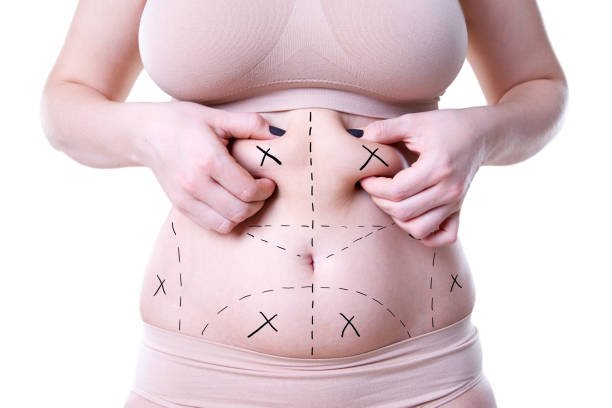
The abdomen is a common area for localized fat removal, but its response depends heavily on skin quality. Someone with relatively firm abdominal skin and localized fat may experience a smoother and more defined contour after fat removal.
When abdominal skin has significant laxity, the result can be different. The skin may not contract enough to match the reduced underlying volume, particularly after major weight changes.
Understanding whether abdominal fullness comes primarily from fat, loose skin, or a combination of both is therefore important when considering liposuction.
What Should You Expect After Liposuction?
The body continues to adapt after liposuction. The treated area’s contours can change as the tissues settle and the skin gradually adjusts to the new underlying shape.
People with good skin elasticity may notice that the treated area becomes progressively more defined as the skin contracts. Those with reduced elasticity may see less contraction and may retain some looseness.
Realistic expectations are therefore essential. Liposuction can reshape areas with localized fat, but it should not automatically be considered a solution for substantial excess skin.
Is Liposuction Right for Loose Skin?
Whether liposuction is appropriate depends on what is causing the unwanted appearance. If localized fat is the main concern and the skin has reasonable elasticity, liposuction may provide significant contour improvement.
If excess skin is the dominant concern, another treatment approach may be more suitable. When both fat and loose skin are present, a comprehensive evaluation can determine which concerns need to be addressed and whether a combination of approaches would provide a more balanced result.
The key is understanding that body contouring is not simply about removing fat. The quality and behavior of the remaining skin are equally important to the final appearance.
Final Thoughts
Liposuction does not directly tighten loose skin, although skin with good elasticity may naturally contract after fat removal and follow the body’s new contours. When significant laxity is already present, removing underlying fat can sometimes make looseness more noticeable because there is less volume supporting the skin. For this reason, skin elasticity, the amount of localized fat, previous weight changes, and the degree of excess skin all need to be considered before treatment. A carefully planned approach can help achieve a smoother, more proportionate, and natural-looking body contour.
FAQs
Does liposuction tighten loose skin?
Liposuction primarily removes fat, but skin with good elasticity may naturally contract afterward.
Can liposuction make loose skin more noticeable?
It can make pre-existing laxity more visible when the skin does not contract sufficiently after fat removal.
Does skin elasticity affect liposuction results?
Yes, skin elasticity is an important factor in determining how well the skin adapts to the new contour.
Is liposuction suitable for significant loose skin?
Liposuction alone may not be sufficient when substantial excess skin is the primary concern.
Can liposuction and skin tightening be combined?
Depending on individual needs, liposuction may be combined with a separate approach focused specifically on improving skin firmness.