When companies begin searching for industrial land in Angola, the conversation usually starts with price per square metre. It is an easy number to compare, and it is also one of the least informative. A cheap plot without reliable power, workable road access or clear land rights can end up costing far more than a serviced plot with a higher sticker price. A better opening question is this: can this site support my operation efficiently for the next 10 to 20 years?
The six checks below turn that question into something you can actually evaluate before signing anything.
Start With Your Own Requirements
Site selection works best when it follows a clear operating brief rather than leading it. Before comparing locations, write down your production or logistics needs, your main suppliers and customers, expected utility consumption, workforce numbers, expansion plans and any regulatory requirements specific to your sector.
The right site depends on the business. A beverage producer needs abundant water and proper drainage. A warehouse operator cares about turning space for trucks and road quality. A cold-storage business lives or dies on the reliability of its power supply. Once your priorities are on paper, weak sites become obvious quickly.
1. Infrastructure: Can the Site Support Industrial Operations?
Infrastructure often decides whether a project stays on schedule and on budget. Verify the availability and, more importantly, the capacity of:
- Paved road access suitable for heavy vehicles
- Electricity supply
- Water distribution
- Drainage and sanitation
- Telecommunications and digital connectivity
The point is not simply whether a service exists. A water main that runs past the plot but cannot support your production volume is a problem you will pay to fix later.
2. Logistics: How Will Goods Move?
Raw materials must arrive reliably and finished products must reach customers without avoidable delay or cost. Consider proximity to major roads, access to ports, realistic transport times, freight costs, customs procedures and distribution routes. A well-connected site can strengthen a supply chain for decades, while a poorly connected one creates permanent operating constraints that no amount of good management removes.
3. Utilities: Are They Reliable Enough?
Manufacturing depends on consistent electricity and water. Interruptions raise operating costs and limit growth. Ask about current network capacity, the reliability of supply, the potential for future upgrades and who is responsible for maintenance. If backup generation or water storage will be necessary, include those costs in your model from the start rather than discovering them after construction begins.
4. Legal and Planning Certainty
Land should be assessed as carefully from a legal standpoint as from a technical one. Confirm the permitted land use, the nature of your land rights, environmental requirements, planning approvals and any restrictions on future development.
Foreign investors may acquire land rights for industrial use in Angola, notably through a concession or a surface right. Access to these rights is normally linked to an approved investment project, evidenced by a certificate issued by AIPEX, the agency responsible for private investment and export promotion. Angolan land legislation has its own specific features, so always confirm your position with local legal advisers before committing funds.
5. Room to Grow
Successful factories tend to expand. Check whether neighbouring land is available, whether utility capacity can be increased and whether the layout of the site leaves space for a second production line or additional storage. Relocating a working plant is expensive, so expansion capacity is cheaper to secure at the beginning.
6. Total Cost, Not Purchase Price
Compare sites on the full cost of becoming operational: land rights, utility connections, site preparation, internal roads, security, ongoing service charges and the cost of delays. A plot that looks inexpensive but needs significant infrastructure investment is rarely the bargain it appears to be.
Why Serviced Plots in Planned Parks Often Make Sense
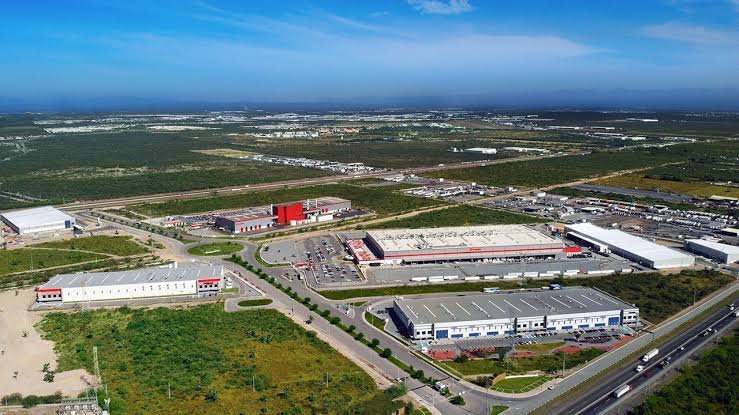
Standalone sites can offer flexibility, but the investor usually coordinates infrastructure, utilities, security and maintenance independently. Planned industrial parks bring these elements together, which tends to mean faster project delivery, more predictable costs and easier expansion. They do not eliminate investment risk, but they reduce the operational uncertainty of building something new.
Dubai Investments Park Angola is one example. Located in Barra do Dande, about 50 kilometres from Luanda, it combines industrial, logistics, commercial and residential areas in a single master plan. Businesses assessing land for industrial development in Angola can use it as a benchmark for what integrated planning looks like, and can review the available industrial plots guide to understand the questions worth asking any developer.
Final Thoughts
Choosing industrial land is not about finding available space. It is about selecting a location that can support efficient operations, steady growth and long-term competitiveness. Work through the six checks, insist on evidence rather than assurances, and involve legal and technical advisers early. The time spent on due diligence is small compared with the cost of correcting a poor site decision.