
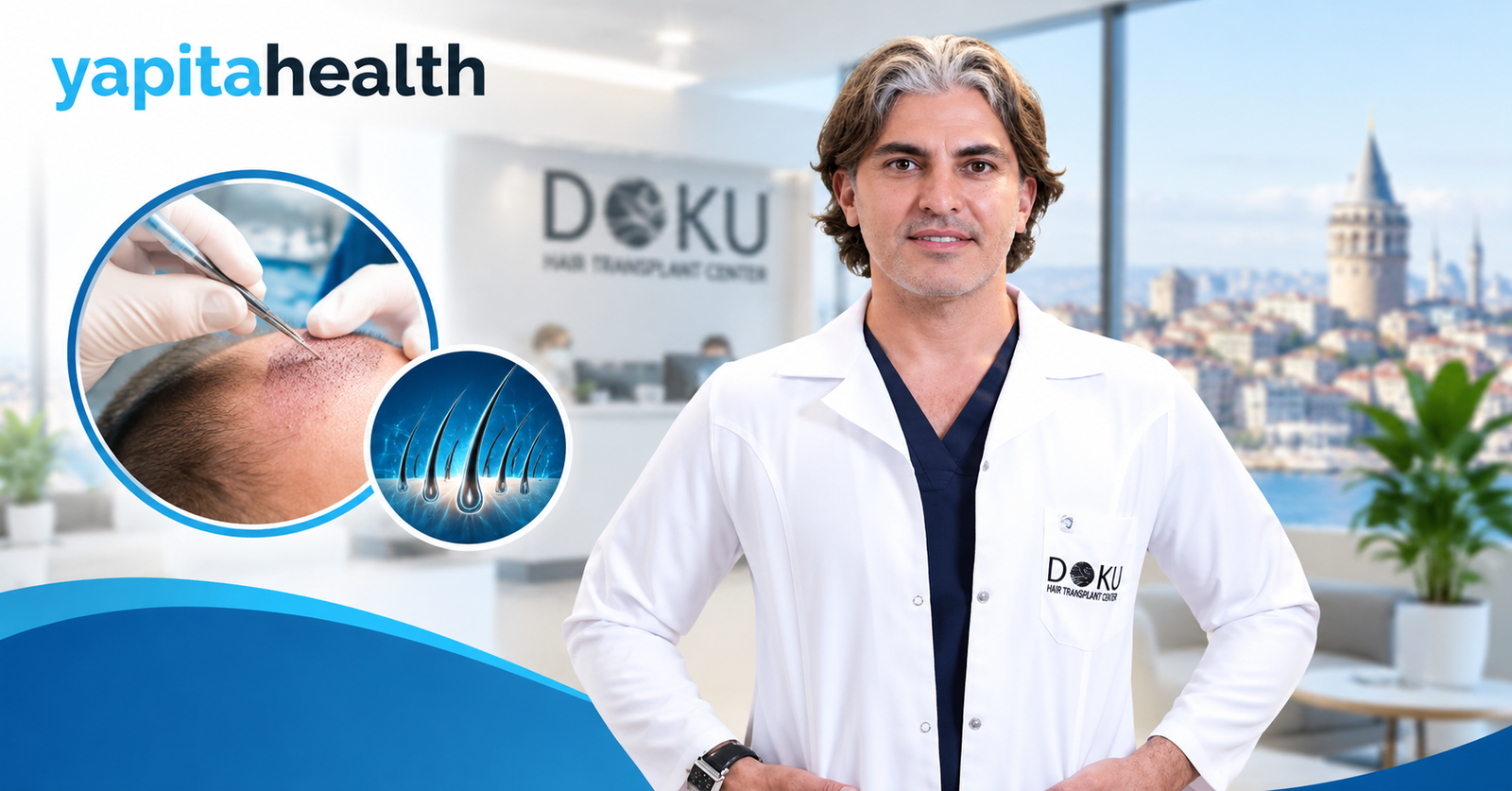
Hair loss can affect appearance, confidence, and everyday comfort, making the choice of treatment an important personal decision. For international patients considering hair restoration in Turkey, understanding the doctor’s qualifications, treatment approach, clinical environment, and aftercare services can help make the process clearer. Dr. Serkan Aygin is associated with hair transplantation and hair loss treatment in Istanbul, with a professional background that includes dermatology and clinical pharmacology. According to the clinic’s published profile, he has worked in hair transplantation and hair treatments since 1996.
Medical Expertise and Hair Transplant Approach
Professional Background in Hair Restoration
When thinking about a hair transplant, a doctor’s education and clinical experience are important factors. According to his clinic profile, Dr. Serkan Aygin received his medical education at Istanbul University Çapa Faculty of Medicine and later specialised in clinical pharmacology and dermatology. He was employed at a polyclinic for dermatology and hair diseases and subsequently dedicated his clinical career to hair transplantation and hair treatments.
This is relevant background as hair restoration is more than simply moving hair follicles. A proper assessment should take into account the pattern of hair loss, donor area condition, existing hair density, scalp features and patient’s expectations.
Hair Transplant Techniques and Planning
Hair transplantation can be performed with different techniques according to the need of the patient. Procedures such as Follicular Unit Extraction (FUE) and Direct Hair Implantation (DHI) are listed in the clinic’s published information. It also says that treatment planning involves reviewing photographs and taking into account variables such as the number of grafts and the technique to be used.
For international patients, a virtual consultation can be particularly beneficial before travelling. This allows the medical team to understand the patient’s concerns and discuss the appropriateness of in-person assessment. But a proper medical evaluation is still needed before treatment, as online information cannot replace a physical examination.
Importance of Natural-Looking Results
The objective of hair transplant is not only to increase the density of the hair. The final result depends on the design of the hairline, the placement of the grafts, the management of the donor area, and the direction of hair growth.
The clinic has published examples of patients treated by different techniques and shows the results at different periods of follow-up. Such examples may help patients understand what to expect from treatment, but results vary from person to person. Patients should talk honestly with their medical team about what they can realistically expect and any limitations they may face in recovery.
Patient Care and International Treatment Services
Clinical Environment and Treatment Quality
Another important consideration for anyone travelling abroad for medical care is the treatment environment. Hair transplant procedures are performed in operating rooms equipped in a hospital environment, and hygiene and patient-specific equipment are within the clinical practices of the clinic.
Patients should independently verify that the facility, medical credentials, licensing and applicable healthcare standards are current before receiving treatment. Asking these questions in advance can offer more clarity about where the procedure will be performed and who will be part of the treatment.
Consultation, Aftercare, and Follow-Up
Hair transplantation does not end when the procedure is completed. Recovery instructions, hair washing, medication guidance where appropriate, and follow-up can all be important parts of the patient journey.
The clinic describes a process that includes online consultation, treatment planning, the procedure, post-operative instructions, and ongoing follow-up. Its website also states that patients can receive support after returning home.
For international patients, accessible aftercare can be especially useful because they may need guidance once they have returned to their home country. Before treatment, patients should ask exactly what follow-up is included, how concerns are handled, and when medical reviews are recommended.
Why International Patients Consider Istanbul
Istanbul is an established destination for patients seeking hair restoration, but travelling internationally for treatment requires more planning than simply selecting a clinic. Patients may need help coordinating consultations, travel dates, accommodation, airport transfers, documentation, and post-treatment arrangements.
The clinic’s published treatment journey includes consultation, treatment planning, travel-related arrangements, the procedure, and aftercare. Patients should review each part of the package carefully and confirm what is included before making travel arrangements.
For patients comparing doctors and clinics, the decision should be based on relevant medical qualifications, treatment suitability, facility standards, communication, transparent information, and the quality of follow-up rather than promotional claims alone.
Support for Medical Tourism Planning
Yapita Health helps international patients connect with experienced doctors and reputable hospitals while providing support with treatment planning, online consultations, visa assistance, travel arrangements, and patient care coordination. For those travelling abroad for hair transplantation, Yapita Health helps simplify the healthcare journey by coordinating key services before, during, and after treatment.
Conclusion
Choosing a hair transplant provider requires careful attention to medical expertise, treatment suitability, clinical standards, and aftercare. International patients should review their options carefully, ask clear questions, and ensure their treatment plan matches their individual hair loss pattern and expectations.