Liposuction is a cosmetic surgical procedure designed to remove localized pockets of fat that may be resistant to diet and exercise. It is commonly considered for areas where excess fat creates a fuller or less defined appearance, such as the abdomen, thighs, hips, arms, back, or under the chin. For people researching Liposuction Surgery in Muscat, understanding what the procedure involves, who may benefit, what recovery is like, and what results can realistically be expected can make the decision-making process much clearer.
Although liposuction can create a slimmer-looking contour, it is important to understand that it is not primarily a weight-loss treatment. Its purpose is body contouring: removing selected fat deposits to improve the shape and proportions of particular areas.
What Is Liposuction Surgery?
Liposuction, sometimes called lipoplasty or body contouring surgery, involves removing fat cells from specific areas of the body through a surgical technique. A surgeon generally makes small incisions and uses a thin tube called a cannula to loosen and remove unwanted fat.
Modern liposuction techniques can vary depending on the treatment area, the amount of fat being removed, and the patient’s individual circumstances. Local or general anesthesia may be used depending on the extent of the procedure and the surgical plan.
One of the important features of liposuction is its ability to target specific areas rather than reducing fat throughout the entire body. This makes it particularly relevant for people who have relatively stable body weight but notice stubborn fat deposits that do not respond significantly to lifestyle changes.
However, the procedure does not prevent future weight gain. Maintaining a stable weight through balanced nutrition and regular physical activity can help preserve the contour achieved after surgery.
Which Areas Can Liposuction Treat?
Liposuction can be used on several areas where localized fat accumulation affects body contours. The appropriate treatment area depends on factors such as skin quality, fat distribution, overall health, and the patient’s desired outcome.
Commonly treated areas include:
- Abdomen and waist
- Hips and flanks
- Thighs
- Upper arms
- Back
- Buttocks
- Under the chin and jawline
- Certain areas around the knees
For someone considering Liposuction Surgery in Muscat, a consultation is an important first step because not every fullness or contour concern is caused by excess fat. Loose skin, muscle structure, swelling, or other factors can contribute to the appearance of an area.
A qualified surgical assessment can determine whether liposuction alone is appropriate or whether another approach may be more suitable.
Who May Be a Suitable Candidate?
Liposuction is generally intended for adults who are in reasonably good overall health and have localized fat deposits that remain despite appropriate lifestyle habits. Having realistic expectations is equally important.
A potential candidate may have:
- Relatively stable body weight
- Localized areas of excess fat
- Reasonably elastic skin
- Realistic expectations about the outcome
- A willingness to follow preoperative and postoperative instructions
- No medical conditions that would make surgery unnecessarily risky
Liposuction is not usually considered a substitute for weight-management treatment. People who are significantly overweight may first benefit from a medically appropriate weight-management strategy.
Skin elasticity also matters. When skin has good elasticity, it may contract more effectively after fat removal. If there is substantial loose skin, removing fat alone may not produce the desired contour and, in some cases, a different or additional procedure may be discussed.
During consultation, the surgical team may review medical history, medications, previous procedures, allergies, lifestyle factors, and expectations. This evaluation helps determine whether surgery is appropriate and how it should be planned.
What Happens During Liposuction?
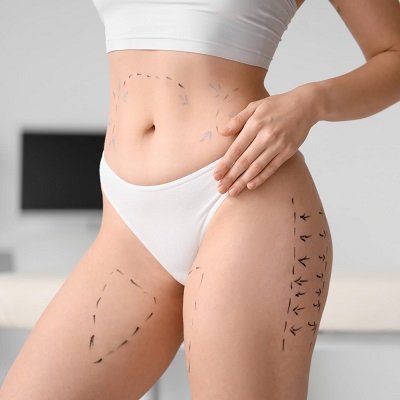
The exact process can vary according to the technique and treatment area. Before surgery, the treatment zones are normally marked so the surgeon can plan the areas where fat will be removed.
Small incisions are made in carefully selected locations. A cannula is then inserted through the incision, allowing the surgeon to loosen and remove fat from the targeted area.
The goal is not simply to remove as much fat as possible. Effective body contouring requires attention to symmetry, proportions, and the natural shape of the body. Excessive fat removal can create irregularities, so controlled and carefully planned treatment is important.
The duration of surgery depends on the number and size of areas being treated. Smaller treatment areas may require less operating time, while larger or multiple areas can take longer.
After the procedure, the patient is monitored as the effects of anesthesia wear off. Depending on the extent of surgery and individual circumstances, liposuction may be performed as an outpatient procedure or may involve a period of medical observation.
Recovery and Expected Results
Recovery from liposuction is gradual. Swelling, bruising, tenderness, and temporary numbness can occur after surgery. These effects generally improve as healing progresses, although the timeline varies between individuals.
A compression garment may be recommended to help support the treated area and manage swelling. The surgical team may also provide instructions regarding bathing, physical activity, wound care, medications, and follow-up appointments.
Light movement is often encouraged during recovery, while strenuous exercise and heavy lifting may need to be avoided for a period determined by the surgeon.
Patients should not judge the final contour immediately after surgery. Swelling can temporarily make the treated area look larger or uneven. As inflammation decreases and tissues heal, the contour generally becomes easier to assess.
Results can be long-lasting because the fat cells removed during liposuction do not grow back in the same way. However, the remaining fat cells can enlarge if significant weight is gained. Maintaining a stable weight therefore remains an important part of preserving the result.
It is also worth remembering that liposuction does not stop the normal aging process. Changes in skin elasticity and body composition can continue over time.
Potential Risks and Important Safety Considerations
Like any surgical procedure, liposuction carries potential risks. The level of risk depends on factors such as the treatment area, the amount of fat removed, the surgical technique, anesthesia, and the patient’s overall health.
Possible complications can include infection, bleeding, fluid accumulation, changes in sensation, prolonged swelling, contour irregularities, asymmetry, scarring, and reactions related to anesthesia. More serious complications are uncommon but can occur, particularly with extensive procedures or when multiple procedures are combined.
For this reason, choosing an appropriately qualified and experienced surgeon and having surgery in an appropriate medical setting are important considerations when exploring Liposuction Surgery in Muscat.
Patients should provide complete information about existing medical conditions, previous surgeries, allergies, and medications or supplements. Blood-thinning medications and certain supplements may require special consideration, but patients should never stop prescribed medication without medical guidance.
A consultation should also provide an opportunity to ask about the surgical technique, anesthesia, recovery expectations, possible complications, follow-up care, and what happens if a complication occurs.
How to Prepare for Liposuction Surgery
Preparation can help make the surgical experience safer and recovery more manageable. The specific instructions will depend on the individual’s health and the planned procedure.
Before surgery, patients may be advised to:
- Maintain a stable weight.
- Follow instructions regarding medications.
- Avoid smoking or nicotine products if advised by the surgical team.
- Arrange transportation home if required.
- Prepare a comfortable recovery space.
- Organize help with household responsibilities during the early recovery period.
- Wear recommended compression garments as instructed.
- Attend all scheduled follow-up appointments.
Good preparation also includes having realistic expectations. Liposuction can improve the contour of selected areas, but it cannot guarantee a particular body shape or eliminate every contour concern.
The best outcome is generally one that looks proportionate and natural rather than dramatically different from the person’s overall body structure.
Liposuction Surgery in Muscat: What Patients Should Consider
People researching Liposuction Surgery in Muscat may encounter different techniques, treatment approaches, and recommendations. Instead of choosing a procedure based solely on promotional claims, it is useful to focus on medical suitability and the quality of the consultation.
Important questions may include:
- Is the surgeon appropriately qualified for the procedure?
- Where will the surgery take place?
- What type of anesthesia will be used?
- What are the expected recovery requirements?
- What complications should the patient watch for?
- How will follow-up care be provided?
- Is the treatment appropriate for the patient’s skin and body composition?
- What results are realistically achievable?
A thorough consultation should feel like a two-way conversation. The patient should have enough information to understand both the potential benefits and limitations of surgery.
It is also important to distinguish liposuction from treatments designed primarily for weight loss. Liposuction is a contouring procedure, so the most appropriate candidates are usually those seeking improvement in specific areas rather than a major reduction in overall body weight.
Frequently Asked Questions
1. Is liposuction a weight-loss procedure?
No. Liposuction is primarily a body-contouring procedure. It removes localized deposits of fat to improve the shape of selected areas. It should not be viewed as a replacement for healthy eating, physical activity, or medically supervised weight management.
2. Which body areas are commonly treated with liposuction?
Common treatment areas include the abdomen, waist, hips, thighs, arms, back, and under the chin. The appropriate area depends on the patient’s anatomy, skin quality, overall health, and aesthetic goals.
3. How long does it take to recover from liposuction?
Recovery varies depending on the extent of surgery and the individual. Bruising, swelling, soreness, and temporary changes in sensation can occur during the early healing period. Many people gradually return to normal activities as advised by their surgical team, while swelling may take longer to fully settle.
4. Are liposuction results permanent?
The fat cells removed during liposuction are permanently removed. However, remaining fat cells can enlarge with weight gain. Maintaining a relatively stable weight can therefore help preserve the improved body contour.
5. Does liposuction leave scars?
Liposuction requires small incisions, so some scarring is expected. The scars are generally small, and their appearance can vary according to incision location, healing characteristics, skin type, and individual factors.
6. Is liposuction suitable for everyone?
No. Suitability depends on overall health, body weight, skin elasticity, the location and amount of excess fat, medical history, and expectations. A qualified medical professional needs to assess the individual before recommending surgery.
Read More About Liposuction Surgery: https://autopedia.co.uk/events/oman/muscat/muscat-1/why-do-patients-consider-liposuction-surgery/