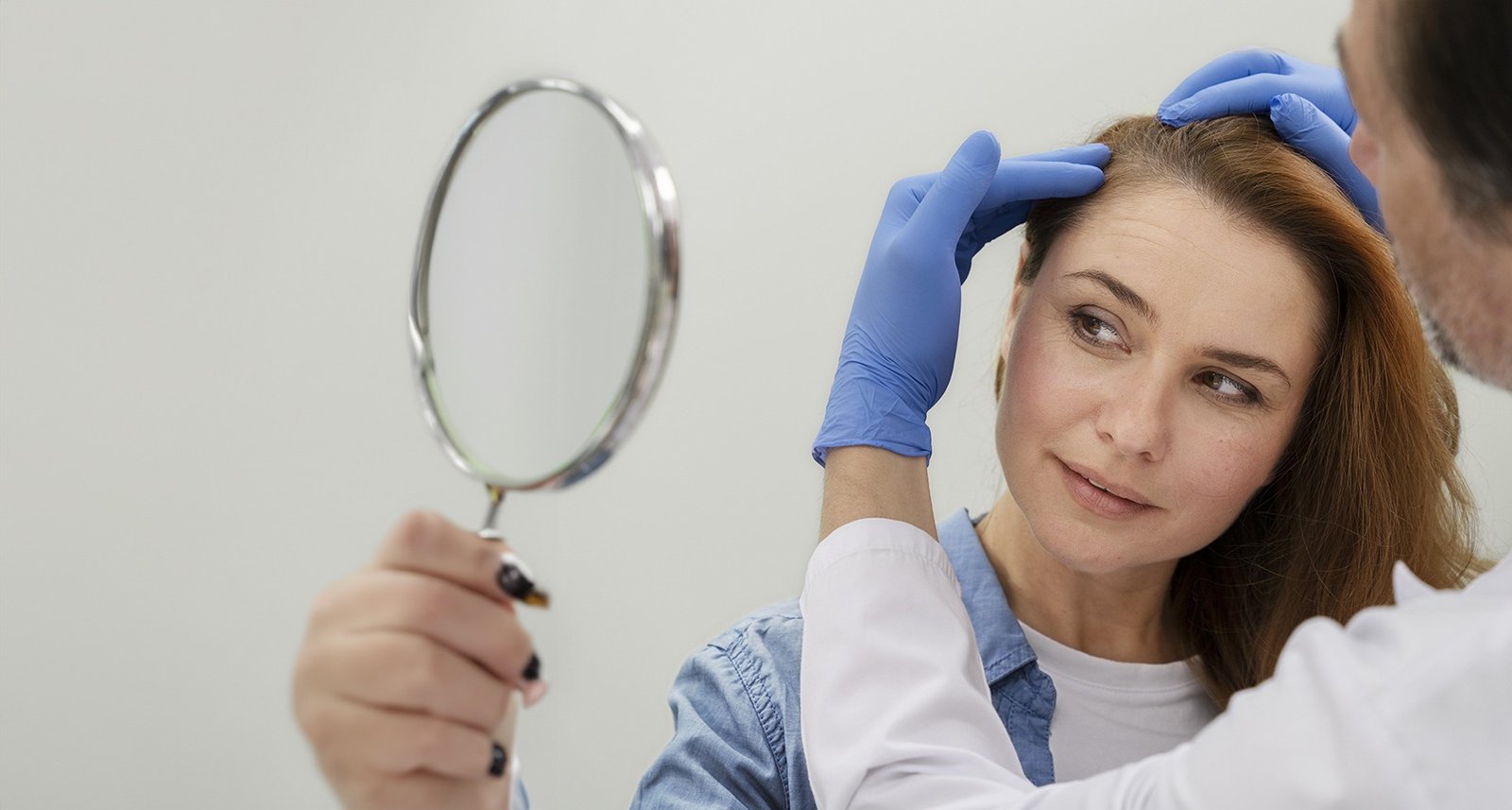
A natural-looking result after a hair restoration procedure depends on more than the transplantation itself. Once follicles have been placed into thinning areas, their ability to establish and produce new strands is influenced by several factors, including the condition of the scalp, surgical technique, aftercare, nutrition, and the patient’s underlying pattern of hair loss. Understanding these elements can help women approach recovery with realistic expectations and make informed decisions about long-term maintenance.
The early weeks following a transplant are particularly important because the scalp needs time to recover while the transplanted follicles adapt to their new environment. Temporary shedding can occur during this phase and does not necessarily mean the procedure has failed. New growth generally develops gradually, with visible changes becoming more apparent over the following months.
For women considering Female Hair Transplant in Dubai, individualized planning is especially important. Female hair loss can have different causes, ranging from hereditary thinning to hormonal changes, nutritional deficiencies, traction, or certain scalp conditions. A proper assessment can therefore help determine whether transplantation is suitable and which areas require restoration.
Natural growth is supported when the procedure, recovery plan, and ongoing hair-care strategy work together. Careful graft handling, appropriate placement, scalp protection, healthy nutrition, and consistent follow-up can all contribute to a more predictable recovery.
Factors That Support Healthy Follicle Growth
Transplanted follicles require time to establish themselves. During recovery, avoiding unnecessary irritation and following the treating surgeon’s instructions can help protect the recipient area.
Patients may be advised to avoid rubbing or scratching the scalp, excessive sun exposure, strenuous activities for a period recommended by the medical team, and products that could irritate healing skin. The exact instructions vary according to the technique used and the individual’s recovery.
Nutrition also has a role in supporting normal hair biology. Adequate protein, iron, zinc, vitamin D, and other nutrients are important for overall follicular function. However, supplements should not be taken automatically. If a deficiency is suspected, appropriate blood testing and medical guidance are preferable to self-treatment.
Another important consideration is the underlying cause of thinning. A transplant relocates follicles but does not necessarily stop progressive loss in untreated native hair. Depending on the diagnosis, a dermatologist or hair-restoration specialist may discuss medical therapies or other supportive approaches.
How Hairline and Graft Placement Influence the Result
The placement of transplanted follicles affects how natural the final appearance can look. For women, restoration may involve the frontal hairline, widening part, temples, or localized areas of reduced density. The pattern and degree of thinning should be assessed before deciding where grafts are most useful.
Experienced practitioners generally consider factors such as existing density, hair direction, follicular characteristics, facial proportions, and the available donor area. Grafts placed at an unsuitable angle or in an overly uniform pattern may produce an artificial appearance.
The goal is not simply to fill every visibly thin area. A thoughtful treatment plan considers how the restored region will blend with surrounding hair as it grows.
Why Post-Treatment Care Matters
Recovery instructions should be treated as part of the procedure rather than an optional addition. The scalp can remain sensitive after transplantation, so patients should follow the washing schedule and medication instructions provided by their medical team.
Sleep position, physical activity, scalp cleansing, and exposure to heat or sunlight may all require temporary adjustments. Patients should also understand which symptoms are expected and which require medical attention.
Mild redness, swelling, tightness, or temporary shedding can occur during recovery, but persistent pain, significant inflammation, unusual discharge, or other concerning changes should be discussed promptly with the treating clinic.
For those considering Female Hair Transplant in Dubai, choosing a provider that offers structured follow-up can make it easier to monitor healing and address concerns during different stages of growth.
What to Expect From Natural Growth
Hair restoration is generally a gradual process rather than an immediate transformation. Newly transplanted follicles may initially enter a resting phase. Some of the visible transplanted hair can shed before new growth begins.
Over subsequent months, new strands may emerge gradually. Early hairs can appear fine or uneven before becoming more mature. The final appearance takes time because the growth cycle of individual follicles is not synchronized.
Patients should therefore avoid judging the outcome too early. Follow-up photographs and clinical assessments can provide a more useful way to monitor progress than checking the scalp from day to day.
Long-Term Hair Management After Transplantation
A transplant should be considered within a broader hair-management plan. Women may continue to experience thinning in untreated areas, particularly when the underlying condition is progressive.
Depending on the diagnosis, a specialist may recommend treatments designed to support existing follicles. These can include prescription medications, topical therapies, platelet-rich plasma, or other approaches when clinically appropriate. Not every option is suitable for every patient, particularly when pregnancy, breastfeeding, hormonal conditions, or other medical factors are involved.
Regular scalp assessment can help identify changes early. Maintaining gentle hair-care habits, avoiding repeated mechanical tension, and addressing confirmed nutritional deficiencies can also support overall hair health.
Choosing the Right Approach for Female Hair Transplant in Dubai
Selecting a suitable provider involves more than comparing procedure names or advertised prices. Women should first look for appropriate medical qualifications and relevant experience in female-pattern hair loss and hair restoration.
The consultation should include an assessment of the donor area, recipient areas, hair characteristics, and likely cause of thinning. A responsible practitioner should also explain whether transplantation is appropriate or whether another treatment should be considered first.
Technology and technique are relevant, but they should support sound clinical decision-making rather than replace it. Patients can ask how grafts are extracted and handled, how placement is planned, and how the clinic monitors the recovery process.
Safety standards are equally important. A reputable facility should maintain appropriate infection-control procedures, use properly sterilized equipment, and provide clear instructions for both the procedure and aftercare.
It is also useful to discuss realistic expectations. Factors such as donor availability, existing density, the extent of thinning, and the patient’s natural growth characteristics influence what can reasonably be achieved.
What to Discuss During Your Consultation
A detailed consultation should give you an opportunity to ask about the cause of your hair loss, the suitability of transplantation, the expected number of grafts, and the areas that may benefit most from treatment.
Ask how the donor area will be evaluated and whether future thinning has been considered in the treatment plan. You can also ask about the expected recovery timeline, temporary shedding, follow-up appointments, and potential complications.
At Enfield Royal Clinic, treatment planning can be approached around the individual pattern of thinning, donor availability, aesthetic goals, and expected recovery. Patients can discuss their concerns during consultation and receive guidance on whether transplantation is appropriate for their particular situation.
The emphasis should remain on creating a balanced restoration plan rather than simply increasing the number of transplanted follicles. Proper assessment and realistic expectations are important parts of achieving a result that integrates naturally with existing hair.
Frequently Asked Questions
Does transplanted hair grow immediately?
No. Transplanted follicles normally require time to adapt after the procedure. Temporary shedding can occur before new growth becomes visible, so the early appearance should not be considered the final result.
Can nutrition affect hair growth after transplantation?
Adequate nutrition supports normal follicular function and general recovery. Protein, iron, zinc, vitamin D, and other nutrients can be important, but supplementation should ideally be based on an identified deficiency and professional advice.
Is shedding after a female hair transplant normal?
Temporary shedding can occur during the early growth cycle. However, significant or persistent changes should be evaluated by the treating medical professional to determine whether they are part of normal recovery.
Can existing hair continue to thin after a transplant?
Yes. Transplantation moves selected follicles into areas requiring greater coverage, but it does not necessarily prevent future thinning of untreated native hair. Long-term management may therefore be discussed as part of the treatment plan.
How long does it take to see the final result?
Hair growth develops gradually. Early changes may become noticeable over several months, while fuller maturation can take considerably longer. The precise timeline varies between individuals and depends on follicular characteristics, healing, and the underlying cause of hair loss.
Conclusion
Natural growth after transplantation depends on a combination of careful follicle placement, appropriate aftercare, healthy scalp conditions, adequate nutrition, and management of the underlying cause of hair loss. Patience is essential because transplanted follicles follow their own growth cycle and the final appearance develops progressively.
For women exploring Female Hair Transplant, an individualized consultation can help establish whether transplantation is suitable and what type of restoration may be realistic. Evaluating the donor area, understanding long-term hair-loss patterns, following recovery instructions, and maintaining appropriate follow-up can all contribute to a more natural and sustainable outcome.