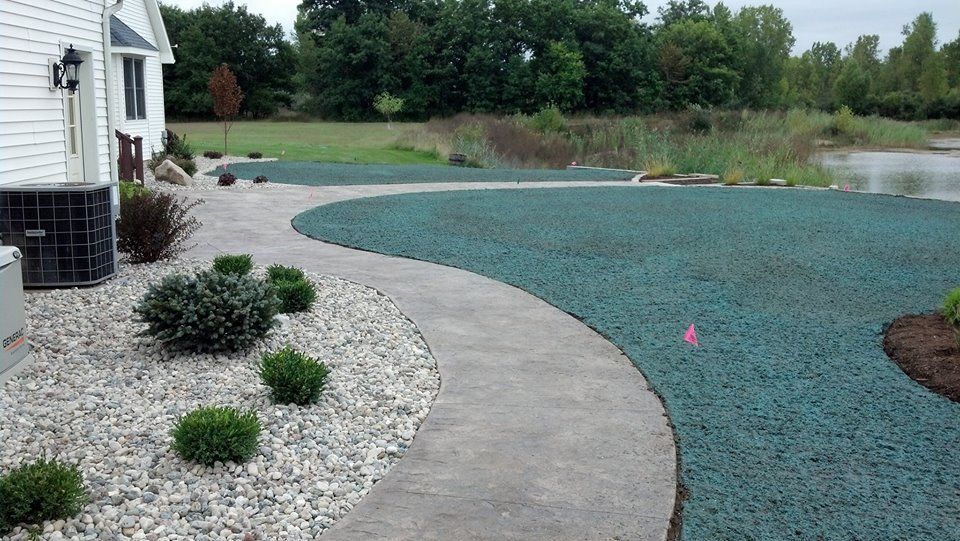
Establishing a healthy lawn or covering large areas of bare soil can be challenging in North Texas. Hot summers, changing rainfall patterns, clay-heavy soil, erosion, and demanding growing conditions can all affect how successfully grass becomes established. Hydroseeding North Texas offers homeowners and landowners an efficient planting method that combines grass seed, mulch, water, and selected nutrients into a sprayable mixture. Instead of distributing dry seed by hand, professionals use specialized equipment to apply the mixture evenly across prepared ground. Understanding how the process works can help property owners determine whether hydroseeding is suitable for their landscape goals.
What Is Hydroseeding?
Hydroseeding is a grass-establishment technique that applies seed in a water-based slurry containing mulch and, when appropriate, fertilizer or soil amendments. The mulch helps keep seed in place while supporting moisture retention during the early stages of germination. Because the mixture can be sprayed over extensive areas, hydroseeding is particularly useful for properties where conventional hand seeding would require significant time and labor. It can also be applied to slopes, uneven areas, newly graded land, and difficult-to-access sections. However, the quality of the result depends heavily on preparation, appropriate seed selection, application technique, irrigation, and ongoing care.
For homeowners, hydroseeding can be considered when establishing a new lawn, restoring areas damaged by construction, or improving large sections of a property. Landowners may also use the technique for acreage where bare soil needs vegetation coverage or where erosion is a concern. The process is not an instant lawn solution because the seed still needs time to germinate and develop roots. Weather, soil temperature, moisture, sunlight, and grass variety all influence the timeline. A professional evaluation before installation can help determine whether hydroseeding matches the property’s specific conditions and intended use.
Why North Texas Requires Careful Planning
North Texas has environmental conditions that can make grass establishment particularly demanding. Summer heat can increase evaporation and water requirements, while heavy rainfall can produce runoff across newly disturbed soil. Many properties also contain dense or compacted clay soils that may drain slowly and restrict developing roots when preparation is inadequate. These conditions mean that simply applying seed is not enough to achieve reliable turf establishment. A successful Hydroseeding North Texas project should account for soil characteristics, seasonal conditions, drainage, irrigation, and the grass variety being planted.
Grass selection is another important consideration because different turfgrasses respond differently to heat, drought, shade, traffic, and watering. Warm-season grasses are commonly suited to the Texas climate because they grow actively during warmer months and can handle summer conditions when properly established. However, the best choice varies from one property to another. A shaded residential lawn may require a different approach from an open, sunny acreage property. Professional contractors can evaluate the site and recommend a seed mixture based on local conditions rather than relying on a generic blend.
Preparing the Property Before Hydroseeding
Proper soil preparation is one of the most important steps in any hydroseeding project. The area should generally be cleared of rocks, debris, unwanted vegetation, construction materials, and other obstacles that could interfere with seed-to-soil contact. Compacted soil may need to be loosened, while severely uneven areas may require grading before planting begins. Drainage should also be considered because standing water can damage developing grass, while rapid runoff can move seed and topsoil away from the intended planting area. Investing time in preparation creates a stronger foundation for germination and root development.
Soil conditions can also influence nutrient management. A soil test may identify nutrient deficiencies or other characteristics that could affect turf performance. Rather than automatically adding large quantities of fertilizer, property owners can use soil information to make more informed decisions about amendments and plant nutrition. This is particularly useful on land that has been disturbed by construction or excavation, where the original topsoil may have been removed or mixed with subsoil. A professional contractor can incorporate appropriate preparation practices into the project plan and identify conditions that may require attention before the slurry is applied.
What Happens During the Hydroseeding Process?
After preparation is complete, the contractor develops a slurry designed for the property’s planting requirements. The mixture typically contains grass seed, water, mulch, and potentially fertilizer or other suitable materials. The materials are combined inside specialized hydroseeding equipment, where they are kept thoroughly mixed before being pumped through a hose or spray nozzle. The operator applies the slurry systematically across the prepared ground to achieve consistent coverage. Application time varies according to acreage, terrain, accessibility, equipment, and preparation requirements.
The mulch serves several useful purposes during the early establishment period. It can help maintain moisture around the seed, reduce the movement of seed caused by wind or water, and provide some protection to the developing planting surface. However, mulch does not eliminate the need for irrigation. Newly seeded areas still require appropriate moisture to encourage germination and root development. Property owners should follow the contractor’s watering recommendations and pay attention to weather conditions, since excessive irrigation can create runoff while insufficient moisture can slow or prevent germination.
Benefits for Homeowners and Landowners
One of the main advantages of hydroseeding is efficient coverage. A specialized machine can distribute a prepared mixture across a large property much more efficiently than manually spreading seed over every section. This can make hydroseeding attractive for homeowners with expansive yards as well as landowners managing larger acreage. The process can also provide relatively consistent seed distribution when performed correctly. Uniform application is valuable because uneven seed coverage can contribute to patchy growth and additional corrective work.
Hydroseeding can also be useful for properties with slopes and areas vulnerable to erosion. Establishing vegetation helps create living ground cover, while the initial mulch layer can provide temporary surface protection as seeds begin developing. It is important to recognize that severe erosion problems may require additional stabilization or drainage measures rather than relying exclusively on hydroseeding. Nevertheless, vegetation establishment can become an important part of a broader property-management strategy. With suitable preparation and maintenance, hydroseeding can help turn exposed or disturbed ground into a more functional and attractive landscape.
Timing, Germination, and Early Maintenance
Choosing the right installation period is especially important in North Texas. Warm-season grasses generally need sufficiently warm soil and favorable growing conditions to germinate effectively, while cool-season grasses have different requirements. Installing seed during periods of extreme heat, cold, or unfavorable moisture conditions can make establishment more difficult. Contractors should consider the selected grass type, current weather, irrigation availability, and the property’s microclimate before scheduling the application. Good timing does not guarantee perfect results, but it can create more favorable conditions for successful establishment.
After hydroseeding, watering becomes one of the most important responsibilities. The objective during early germination is generally to keep the planting surface appropriately moist without creating standing water or excessive runoff. As the grass develops roots, watering practices can gradually change to encourage deeper and stronger root growth. Mowing should also wait until the young turf has developed sufficiently to tolerate cutting. Property owners should monitor thin areas, erosion, weeds, drainage issues, and signs of drought stress so potential problems can be addressed before they become more difficult to correct.
Choosing a Professional Hydroseeding Provider
Homeowners searching for residential hydroseeding near me should compare contractors based on more than the advertised installation price. Experience with North Texas soil and weather conditions can be valuable because local knowledge helps contractors anticipate common challenges. Property owners should ask what preparation is included, which seed mixture is being proposed, how the application will be performed, and what maintenance is recommended afterward. A detailed estimate should clearly explain the scope of work and identify additional preparation that could affect the final cost. This makes it easier to compare providers on the quality and completeness of their services.
It is also helpful to ask about previous projects involving similar property sizes, terrain, and landscaping objectives. A professional provider should be able to explain realistic expectations for germination and establishment rather than promising an immediate mature lawn. Property owners should also understand that weather and maintenance can influence results even when the application is performed correctly. The contractor’s role is to create favorable conditions through appropriate preparation, seed selection, and application, while the property owner or maintenance team must provide proper care afterward. Clear communication between both parties can contribute to a smoother project.
Is Hydroseeding Right for Your North Texas Property?
Hydroseeding North Texas can be a practical option for homeowners and landowners who need to establish grass efficiently across prepared soil. Its ability to cover large areas, distribute seed through specialized equipment, and incorporate protective mulch makes it suitable for many residential, acreage, and restoration projects. However, successful results depend on the entire process rather than the spraying stage alone. Soil preparation, grass selection, installation timing, irrigation, weather, and maintenance all influence how the finished turf develops.
Before making a decision, property owners should evaluate the size of the area, soil condition, available irrigation, desired grass type, expected foot traffic, sunlight, drainage, and long-term maintenance plans. A professional site assessment can provide useful information about whether hydroseeding is appropriate and what preparation may be required. With realistic expectations and proper follow-through, hydroseeding can provide a practical foundation for establishing healthier turf in North Texas. The combination of professional application and consistent aftercare gives newly seeded grass the best opportunity to develop into a durable, attractive landscape.