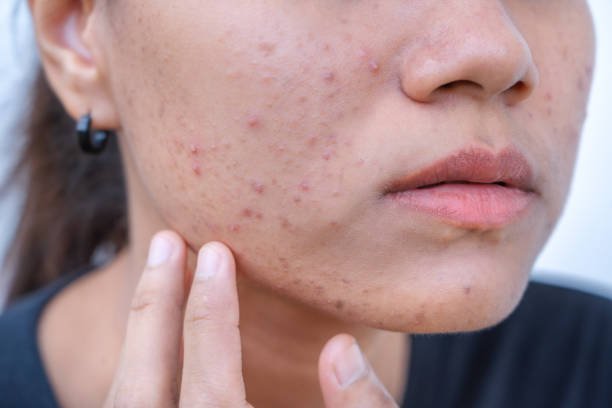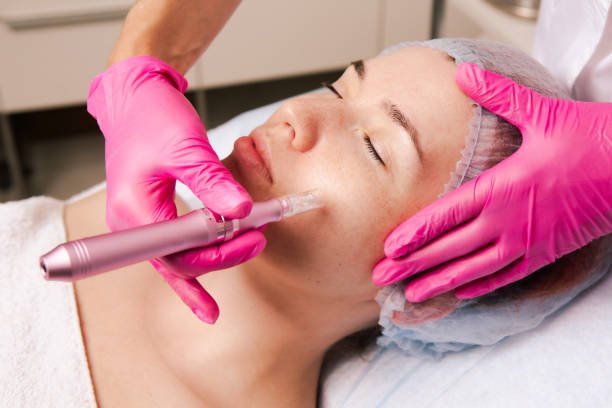
Acne-prone facial skin often requires a carefully considered approach because it may experience recurring breakouts, uneven texture, enlarged-looking pores, and lingering acne marks. Microneedling is a professional skin-rejuvenation treatment that stimulates collagen production and supports natural skin renewal. For people considering Microneedling Abu Dhabi as part of their facial skincare plan, understanding whether the procedure is appropriate for acne-prone skin, when it may be considered, and how it can contribute to smoother-looking skin is essential.
How Microneedling Works on Facial Skin
Microneedling uses a specialized device with fine needles to create controlled microscopic channels in the skin. These channels stimulate the body’s natural repair response, encouraging collagen production and remodeling within the treated area.
Collagen provides structural support to the skin and contributes to firmness, smoothness, and overall texture. When acne has previously affected the skin’s structure, collagen can become unevenly distributed, leaving visible marks or depressions. Microneedling may help encourage more organized collagen formation, gradually improving the appearance of these textural concerns.
The treatment is therefore focused on stimulating the skin’s natural regenerative mechanisms rather than simply treating the surface. This makes it particularly relevant when acne-prone skin also has persistent textural irregularities.
Is Microneedling Appropriate for Acne-Prone Skin?
Microneedling may be appropriate for acne-prone facial skin when the skin is in a suitable condition for treatment. However, acne-prone skin is not the same as skin with active inflammatory acne. The presence and condition of current breakouts are important considerations when determining whether microneedling is appropriate at a particular time.
The procedure is often more relevant when the primary concern involves acne-related texture, residual marks, or depressed scars rather than untreated active breakouts. A professional skin assessment can help determine whether the skin is ready for microneedling and which areas are appropriate for treatment.
This distinction is important because effective microneedling requires an individualized approach. Acne-prone skin can change over time, so the timing and treatment strategy should be based on its current condition.
Microneedling for Acne Scars
One of the most recognized uses of microneedling is improving the appearance of certain depressed acne scars. Acne-related inflammation can alter the skin’s collagen structure, leaving shallow depressions after the original acne has cleared.
Microneedling stimulates collagen remodeling in the treated area, which may gradually soften the appearance of these irregularities. As new collagen develops, the transition between scarred and unaffected skin may become less noticeable.
The response depends on the type and depth of the scars. Shallow rolling scars and some boxcar scars may be more responsive to collagen-stimulating treatments, while deeper or differently structured scars may require a different professional approach.
Can Microneedling Improve Acne-Prone Skin Texture?
Acne-prone skin can develop an uneven texture even when active acne is no longer present. Previous breakouts, changes in collagen, and enlarged-looking pores can all contribute to a less uniform complexion.
Microneedling may improve overall texture by encouraging collagen production and skin renewal. As the underlying structure becomes more organized, the surface may gradually appear smoother and more refined.
This can be particularly beneficial when acne-prone skin has a combination of residual scarring and general unevenness. Instead of focusing on a single mark, microneedling can stimulate collagen across the treated area, supporting a more consistent-looking skin surface.
Microneedling and Enlarged-Looking Pores
Enlarged-looking pores are another common concern among people with acne-prone skin. Their appearance can be influenced by oil production, skin structure, and changes in collagen surrounding the pore openings.
Microneedling may help make pores appear less prominent by improving the structural quality of the surrounding skin. Collagen remodeling can contribute to a smoother and more refined surface, which may reduce the visual prominence of pores.
The treatment does not physically remove pores. Instead, improvements in skin texture and collagen support can create the appearance of a more even complexion.
When Is Microneedling Considered for Acne-Prone Skin?
The timing of microneedling is an important part of treatment planning. Acne-prone skin can be suitable for the procedure when the primary concerns are residual scars, uneven texture, or changes in skin quality following previous acne.
Active inflammatory breakouts may require attention before a collagen-stimulating procedure is considered. Once the skin is in a more appropriate condition, microneedling can potentially be incorporated into a professional plan focused on improving residual texture.
This approach allows the treatment to target the structural changes left behind by acne rather than attempting to address active acne through microneedling itself.
How Collagen Helps Improve Acne-Related Texture
Collagen acts as a major component of the skin’s supportive framework. Acne-related inflammation can interfere with normal collagen organization, producing areas that appear depressed or uneven.
Microneedling creates controlled microchannels that activate the skin’s repair response. This process encourages collagen formation and remodeling, which can gradually improve the structural appearance of affected areas.
Because collagen development occurs over time, the improvement in acne-related texture is generally progressive. The goal is to help the skin become more uniform rather than instantly erase every visible scar.
What Influences Microneedling Results?
The results of microneedling for acne-prone facial skin can vary according to several individual characteristics. The type of acne scars, their depth, the condition of the surrounding skin, age, skin type, and natural collagen response can all influence the outcome.
Treatment technique is also important. Needle depth and treatment intensity should be selected according to the specific characteristics of the skin and the concerns being addressed.
Professional assessment can help establish realistic expectations. While some people may experience a noticeable improvement in texture, microneedling is generally intended to reduce the visibility of acne-related irregularities rather than guarantee complete scar removal.
How Long Does Microneedling Take to Improve Acne-Related Texture?
Microneedling results develop gradually because the treatment depends on natural collagen formation and remodeling. The skin begins its renewal process following treatment, while structural changes continue to develop over time.
Early changes may involve an improvement in the overall appearance of the complexion, while collagen-related improvements in acne scars and texture can become more noticeable as remodeling progresses.
The exact timeline varies between individuals. Treatment plans may involve multiple sessions when appropriate, with spacing determined according to the skin’s renewal process and the desired outcome.
Can Microneedling Be Part of an Acne Skin Plan?
Microneedling may form part of a broader professional skincare strategy for people whose acne-prone skin also has persistent textural concerns. Its primary role is to encourage collagen remodeling and improve the appearance of established irregularities.
It should not be viewed as a universal treatment for every form of acne. Acne itself can have different causes and patterns, and the appropriate approach depends on whether the primary concern is active acne, post-acne marks, depressed scars, or uneven texture.
For this reason, separating acne management from scar and texture improvement can help create a more appropriate treatment plan.
Setting Realistic Expectations
Microneedling can offer meaningful improvements in the appearance of suitable acne-related texture concerns, but realistic expectations are essential. The treatment is designed to encourage gradual collagen remodeling rather than produce an instant or complete transformation.
Shallow textural irregularities may become less noticeable as collagen develops, while deeper scars may remain partially visible. Individual responses can also vary depending on the skin’s condition and natural regenerative capacity.
Understanding these factors makes it easier to appreciate microneedling as a gradual skin-renewal treatment rather than a procedure promising complete removal of every acne-related mark.
Final Thoughts
Microneedling may be suitable for acne-prone facial skin when the skin is appropriately assessed and the primary concern involves established acne scars, uneven texture, or enlarged-looking pores. Its collagen-stimulating action can help support smoother and more uniform-looking skin over time.
The procedure is generally more relevant to residual acne-related changes than to active inflammatory acne itself. Treatment suitability depends on the current condition of the skin, scar characteristics, and individual goals. With professional assessment and realistic expectations, microneedling can be a useful approach for improving the appearance of acne-prone skin after active breakouts have been appropriately addressed.
FAQs
Is microneedling suitable for acne-prone skin?
It may be suitable when the skin is appropriate for treatment and the primary concerns involve established scars or uneven texture.
Can microneedling treat active acne?
Microneedling is primarily used for skin renewal and acne-related scarring rather than treating active inflammatory acne.
Does microneedling improve acne scars?
It may improve the appearance of certain depressed acne scars by stimulating collagen production and remodeling.
Can microneedling reduce visible pores?
It may make pores appear less prominent by improving surrounding skin texture and collagen support.
How long do acne scar improvements take?
Improvements develop gradually as collagen production and remodeling continue after treatment.