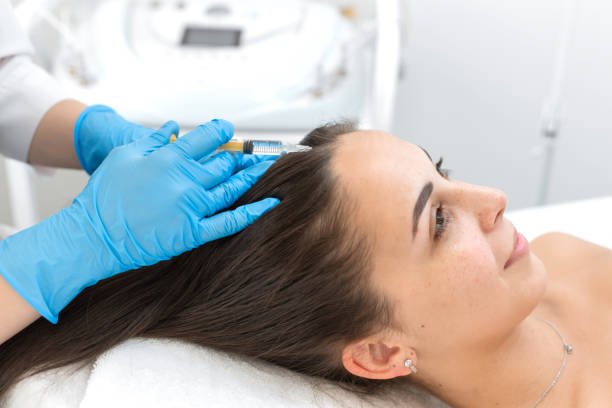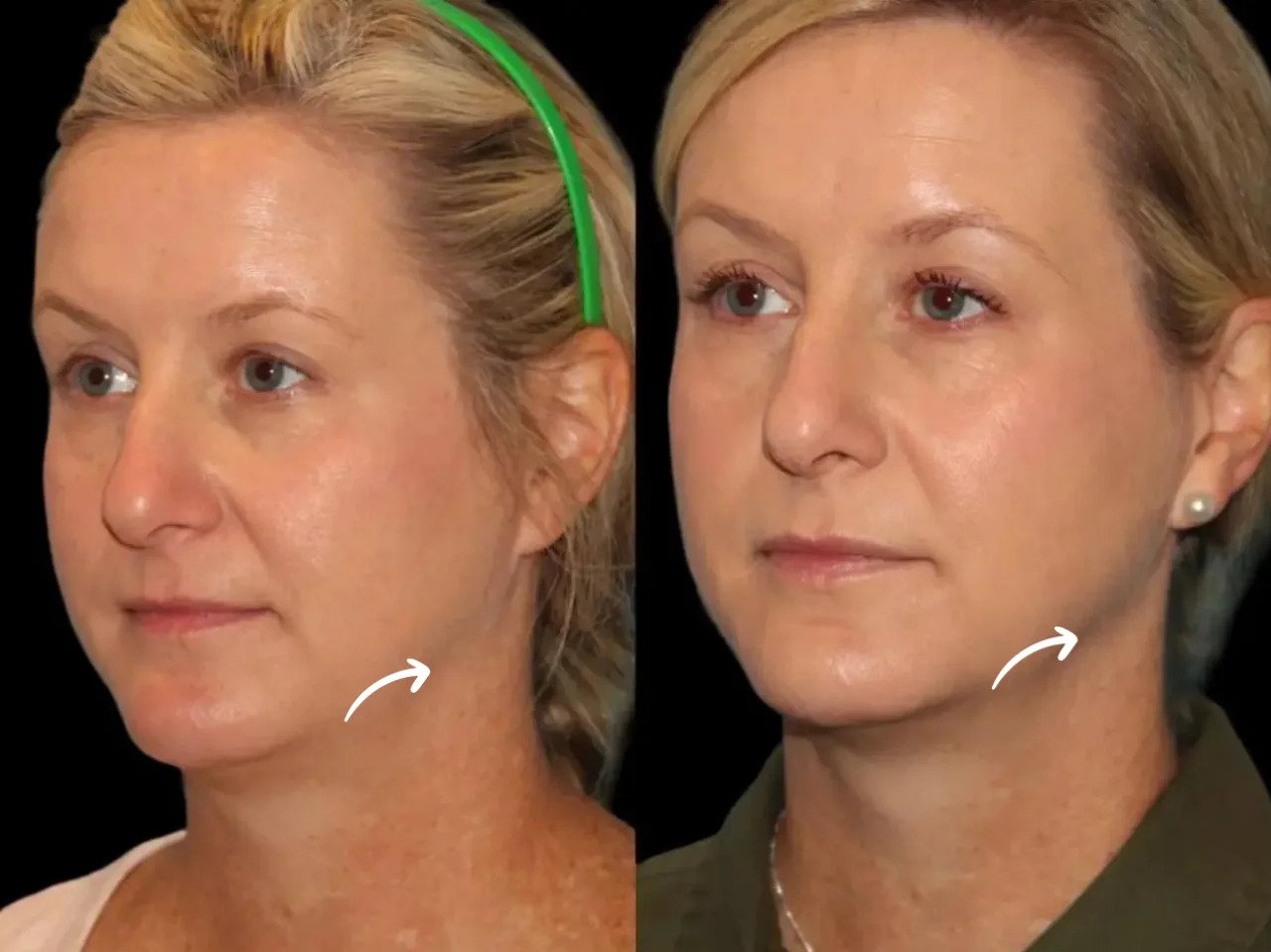
Facial aging rarely affects just one area at a time. As natural volume gradually decreases, changes may become visible around the cheeks, temples, under-eye area, lips, jawline, and chin, creating an overall loss of youthful balance. For people interested in restoring facial volume without surgery, Liquid Facelift in Abu Dhabi can involve strategically using dermal fillers across multiple areas of the face. Rather than focusing on a single wrinkle or hollow, this approach considers the face as a complete structure, allowing different areas to be treated according to individual volume loss, proportions, and aesthetic goals.
What Is a Liquid Facelift?
A liquid facelift is a nonsurgical facial rejuvenation approach that commonly uses dermal fillers to restore volume and improve facial contours. The word “liquid” refers to injectable treatments rather than a surgical lifting procedure. Instead of making incisions or physically repositioning facial tissues, carefully selected injectable products are used to enhance areas that have experienced age-related volume changes.
One of the defining characteristics of a liquid facelift is its comprehensive approach. A person may need treatment in more than one facial region because facial aging often involves several interconnected changes. By considering multiple areas together, the treatment can focus on overall facial harmony rather than creating an isolated correction.
Does a Liquid Facelift Use Fillers in Multiple Areas?
Yes, a liquid facelift can use dermal fillers in multiple areas of the face. However, this does not mean that every facial area needs to be treated. The number and location of treatment areas depend on the individual’s anatomy, degree of volume loss, facial proportions, and desired outcome.
For example, someone experiencing reduced cheek fullness may benefit primarily from mid-face volume restoration. Another person may have volume changes affecting the cheeks, temples, chin, and jawline. In such cases, treating several strategically selected areas can create a more balanced result than concentrating on one location alone.
The goal is not simply to add as much volume as possible. Instead, fillers are placed strategically to support facial structure, improve contours, and restore proportion.
Which Facial Areas Can Be Treated?
The cheeks are among the most commonly considered areas during a liquid facelift. Age-related volume loss can make the mid-face appear flatter or less defined. Restoring carefully selected cheek volume can enhance facial contours and contribute to a more youthful appearance.
The temples can also become hollow as facial volume changes over time. Strategic treatment in this area can help create a smoother transition between the upper face and the sides of the head. Because the temples contribute to overall facial proportions, they may be considered when creating a comprehensive rejuvenation plan.
The under-eye region can be another area of concern when hollowness becomes more noticeable. When appropriate, carefully selected filler techniques may be used to improve the appearance of volume deficiency in this region.
Can Fillers Be Used Around the Mouth?
Yes, a liquid facelift may include areas around the mouth when volume loss contributes to visible folds or changes in facial contours. The nasolabial region, for example, can become more pronounced as the mid-face loses volume and soft tissue changes occur.
Rather than simply focusing on a line, a comprehensive approach may consider whether restoring volume in another facial area can improve the overall transition. This is one reason why liquid facelifts are often described as a full-face or multi-area treatment strategy.
The lips may also be considered when they have lost volume or definition. The objective is generally to maintain harmony between the lips and surrounding facial features rather than creating disproportionate fullness.
What About the Chin and Jawline?
The lower face can play an important role in overall facial balance. Changes in volume around the chin and jawline may affect facial definition and proportions. In suitable cases, dermal fillers can be used to enhance chin projection or improve the appearance of the jawline.
Treating the chin can sometimes influence how the entire lower face appears because facial features are visually interconnected. Similarly, improving jawline definition can create a clearer transition between the face and neck.
This demonstrates why a liquid facelift is different from treating one isolated wrinkle. Multiple areas may be considered as parts of one coordinated facial rejuvenation strategy.
Why Treat Multiple Face Areas Together?
Treating several facial areas can help create a more harmonious result because facial features influence one another. Adding volume to only one location may improve that particular area but may not address the broader changes associated with facial aging.
A multi-area approach allows treatment to focus on proportions. For example, restoring cheek volume while considering the chin and jawline can help maintain balance between the upper, middle, and lower portions of the face.
The objective is generally subtle enhancement rather than dramatic transformation. Properly planned filler placement can help recreate lost fullness while preserving the person’s recognizable facial characteristics.
Is Every Area Treated During a Liquid Facelift?
No. A liquid facelift is customized rather than being a fixed treatment that automatically includes every possible facial area. Some individuals may require attention to only two or three areas, while others may have more widespread volume loss.
A facial assessment helps determine which regions actually require volume restoration. Treating areas that do not need additional volume is unnecessary and may interfere with natural facial proportions.
The most effective approach is therefore based on individualized planning rather than following a standard formula.
How Does a Multi-Area Approach Support Natural Results?
Natural-looking facial rejuvenation depends heavily on proportion and balance. When fillers are used in multiple areas, the treatment can be planned around the overall structure of the face rather than focusing exclusively on individual imperfections.
For example, adding volume to the cheeks can change the visual relationship between the mid-face and lower face. Similarly, improving chin definition can influence how the jawline and other facial features are perceived.
This interconnected approach allows the treatment plan to account for the three-dimensional structure of the face. Instead of simply filling lines, the focus can shift toward restoring volume where it has been lost and enhancing facial harmony.
How Is a Liquid Facelift Different From Single-Area Filler?
A single-area filler treatment generally focuses on one specific concern, such as lip volume or cheek enhancement. A liquid facelift takes a broader approach by considering multiple facial areas as part of one overall rejuvenation plan.
This does not necessarily mean that more filler is always better. The defining feature is the treatment strategy. A liquid facelift is designed around comprehensive facial assessment, where selected areas are addressed to complement one another.
The result can be a more cohesive appearance because the treatment considers how individual facial regions work together.
Who May Consider a Multi-Area Liquid Facelift?
A multi-area liquid facelift may appeal to adults who notice several signs of volume loss and want a nonsurgical approach to facial rejuvenation. It can be particularly relevant when changes are visible across the cheeks, temples, mouth area, chin, or jawline rather than being limited to one isolated feature.
It is important to maintain realistic expectations. Injectable treatments can restore selected areas of volume and improve contours, but they are not intended to duplicate every effect of a surgical facelift. The suitability of a liquid facelift depends on individual facial structure and the extent of visible aging.
Final Thoughts
A liquid facelift can indeed use fillers across multiple areas of the face. Its main distinction is the comprehensive strategy of treating selected areas together to restore volume, improve facial proportions, and create a more harmonious appearance.
Cheeks, temples, under-eye areas, lips, areas around the mouth, chin, and jawline may all be considered depending on individual needs. However, not everyone requires treatment in every region. The most effective approach is one that identifies where volume has genuinely been lost and uses carefully planned treatment to support the overall facial structure.
Ultimately, the purpose of a multi-area liquid facelift is not to make the face look dramatically different. It is to refresh existing features, restore selected areas of lost volume, and maintain natural facial balance.
FAQs
Does a liquid facelift use multiple fillers?
It can. A liquid facelift may involve fillers in several facial areas, depending on individual volume loss and treatment goals.
Which areas are commonly treated?
The cheeks, temples, under-eye region, lips, chin, jawline, and areas around the mouth may be considered.
Does everyone need multiple areas treated?
No. Treatment is personalized, and only areas that would benefit from volume restoration need to be considered.
Can multiple areas improve facial balance?
Yes. Treating strategically selected areas together can help create more consistent proportions across the face.
Is a liquid facelift a surgical facelift?
No. A liquid facelift is a nonsurgical approach that uses injectable treatments to restore volume and enhance facial contours.