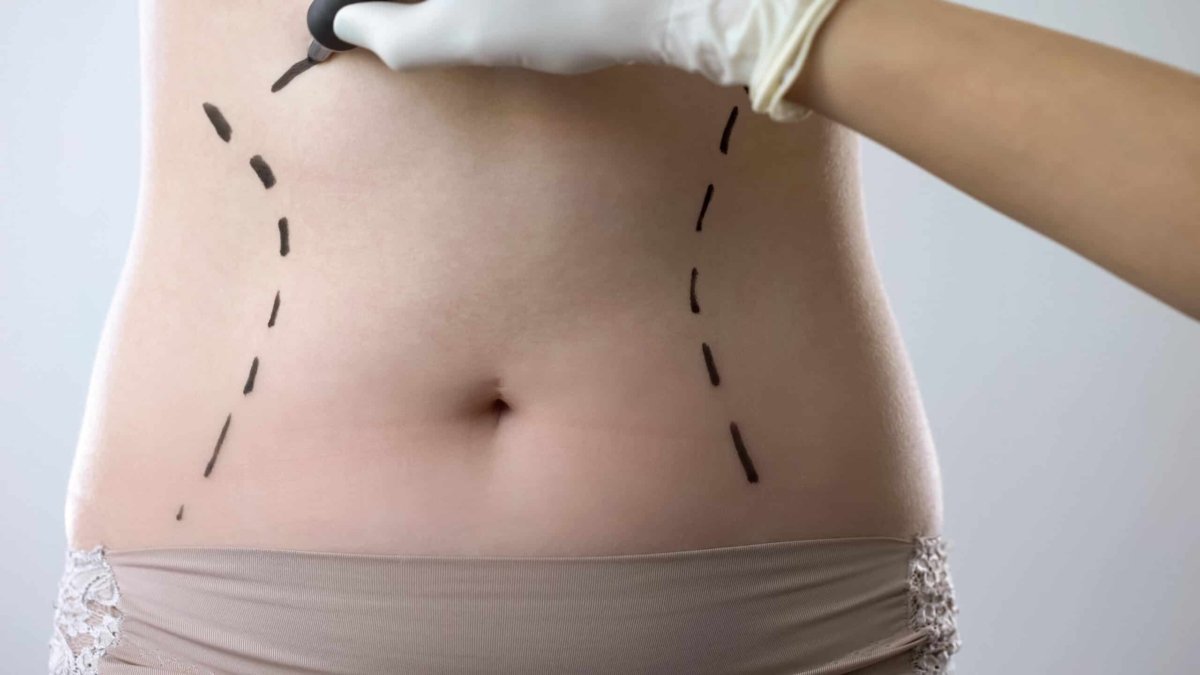
For many people trying to manage their weight, one of the first questions is simple: how much weight can actually be lost with Weight Loss Treatment? The answer depends on several factors, including the treatment approach, starting weight, overall health, eating habits, physical activity, genetics, and how consistently the recommended plan is followed.
Modern weight management has moved beyond the idea that everyone should follow the same diet or exercise routine. Today, Weight Loss Treatment can include lifestyle changes, medically supervised programs, prescription medications, and, for people with severe obesity, certain medical procedures. Each approach can produce different results, and individual responses can vary considerably.
It is also important to understand that successful weight management is not only about losing as many kilograms as possible. Improvements in blood sugar, blood pressure, mobility, energy, sleep, and overall quality of life can be equally meaningful. A treatment plan that supports steady and sustainable progress may be more beneficial than one that promises dramatic results in a very short period.
What Determines How Much Weight a Person Can Lose?
There is no universal amount of weight that every person can expect to lose through Weight Loss Treatment. The starting point plays an important role. Someone with a higher initial body weight may lose more kilograms than someone who only wants to lose a small amount, even when both individuals achieve a similar percentage reduction in body weight.
The treatment method also matters. Lifestyle-based weight management generally produces different results from prescription medication or bariatric procedures. Even within the same treatment category, outcomes can differ from one person to another.
Other factors can include age, sex, genetics, sleep quality, stress, eating patterns, activity levels, existing medical conditions, and medications. Conditions that affect hormones or metabolism can sometimes make weight management more challenging.
Consistency is another major factor. A treatment can be effective, but its benefits may be limited if recommended dietary, activity, or follow-up measures are difficult to maintain. Long-term adherence often matters more than short periods of strict effort.
Because of these differences, healthcare professionals commonly look at percentage of body weight lost rather than promising a fixed number of kilograms. This provides a more useful way to compare progress among people with different starting weights.
Weight Loss From Lifestyle Changes
Healthy lifestyle changes remain an essential part of most Weight Loss Treatment plans. For some individuals, improvements in nutrition, physical activity, sleep, and daily habits can produce meaningful results without medication or procedures.
A sustainable eating pattern generally emphasizes nutrient-rich foods while managing overall calorie intake. Vegetables, fruits, whole grains, lean proteins, legumes, and healthy fats can form the foundation of a balanced diet. Reducing frequent consumption of highly processed foods, sugary drinks, and oversized portions may also help reduce calorie intake.
Physical activity can complement dietary changes. Walking, cycling, swimming, strength training, and other forms of movement can increase energy expenditure and improve cardiovascular and muscular health. Resistance training may be especially useful during weight loss because maintaining muscle mass can support strength and function.
The amount of weight lost through lifestyle changes varies significantly. Some people experience relatively modest reductions, while others achieve more substantial changes when they can maintain their habits over an extended period.
The key advantage is sustainability. Rather than focusing on a temporary diet, lifestyle-based Weight Loss Treatment encourages habits that can continue after the initial weight-loss period.
How Much Can Prescription Weight Loss Treatment Help?
Prescription medications have expanded the options available to people who have difficulty achieving sufficient weight loss through lifestyle changes alone. Depending on the medication, these treatments may influence appetite, hunger signals, fullness, or other biological pathways involved in weight regulation.
Clinical studies of modern prescription weight-management medications have found that some treatments can produce substantial average weight reductions when combined with lifestyle interventions. However, the results differ between medications and between individuals.
Some people respond strongly to a particular medication, while others experience a smaller change. Side effects can also affect whether a person is able to continue treatment. For that reason, medication should be selected and monitored by an appropriately qualified healthcare professional.
Prescription Weight Loss Treatment should generally not be viewed as a shortcut. Medication works best as part of a broader strategy that may include nutrition, physical activity, behavioral changes, and ongoing monitoring.
Another important consideration is what happens after treatment changes or stops. Some individuals may regain part of the weight they lost after discontinuing medication. Long-term weight management therefore requires an approach that considers maintenance as well as initial weight reduction.
Weight Loss After Bariatric Procedures
For individuals with severe obesity who meet appropriate medical criteria, bariatric procedures can provide greater weight loss than lifestyle changes alone and may also improve several obesity-related health conditions.
These procedures can work by reducing the amount of food the stomach can comfortably hold, changing appetite-related signals, or altering aspects of digestion. Different procedures have different expected outcomes, benefits, risks, and nutritional requirements.
Weight loss after a bariatric procedure typically occurs over an extended period rather than immediately. The amount lost depends on the type of procedure, starting weight, adherence to dietary recommendations, activity levels, and individual response.
These procedures require a significant commitment. Dietary habits usually need to change, and long-term follow-up may be necessary to monitor nutrition and general health. Certain people may need vitamin or mineral supplementation depending on the procedure and their individual nutritional needs.
Although bariatric treatment can result in substantial weight reduction, it is not simply a cosmetic intervention. It is a medical treatment intended for appropriately selected individuals, particularly when obesity creates significant health risks.
What Does Successful Weight Loss Look Like?
It is easy to focus exclusively on the number shown on a weighing scale, but successful Weight Loss Treatment involves much more than a target weight.
For someone living with obesity, even a relatively modest reduction in body weight can potentially improve important health markers. Improvements may include better blood sugar control, reduced blood pressure, improved physical mobility, less strain on joints, and better overall fitness.
A person’s waist measurement and body composition can also provide useful information. In some cases, weight may remain relatively stable while body composition improves because of increased muscle and reduced body fat.
Energy levels and daily function can be valuable indicators as well. A person who finds it easier to walk, climb stairs, participate in activities, or maintain a regular exercise routine may be experiencing meaningful progress even if the scale is changing slowly.
This broader perspective can make weight management less discouraging. A sustainable Weight Loss Treatment plan should ideally improve health while helping the individual develop habits that can be maintained for years.
How to Maintain Weight After Treatment
Reaching a weight-loss goal is only one stage of the process. Maintaining the result can require continued attention to nutrition, physical activity, sleep, stress, and other lifestyle factors.
After losing weight, the body may respond with increased hunger or changes in energy expenditure. This can make maintenance challenging for some people. It is one reason why a long-term plan is important.
A maintenance strategy may include regular physical activity, appropriate portion sizes, adequate protein and fiber, consistent meal patterns, and continued monitoring of weight or other health indicators. Small changes can be addressed early rather than allowing gradual weight regain to continue unnoticed.
People using prescription Weight Loss Treatment may also require ongoing medical assessment to determine whether treatment should continue, change, or eventually be discontinued. Those who undergo bariatric procedures generally require long-term follow-up as well.
Most importantly, occasional fluctuations should not automatically be considered failure. Weight naturally changes from day to day because of hydration, food intake, hormones, activity, and other factors. Looking at longer-term trends provides a more realistic picture of progress.
Setting Realistic Weight Loss Expectations
A realistic expectation is one of the most important parts of any Weight Loss Treatment journey. Claims of losing very large amounts of weight in a short period should be approached carefully, particularly when they are not supported by credible medical evidence.
Healthy weight management is usually measured over months rather than days. The most appropriate rate of weight loss depends on the individual and the treatment being used.
A healthcare professional can assess whether weight loss is medically advisable and determine which approach is appropriate. This is especially important for people with chronic health conditions, those taking prescription medications, or individuals considering medical or surgical treatment.
Ultimately, the amount of weight a person can lose depends on a combination of treatment, biology, lifestyle, and consistency. There is no single number that guarantees success. A treatment that produces meaningful health improvements and can be maintained over the long term may be more valuable than one that produces rapid but temporary weight loss.
Frequently Asked Questions About Weight Loss Treatment
1. How much weight can someone realistically lose with Weight Loss Treatment?
The amount varies from person to person and depends on the treatment method, starting weight, health status, lifestyle, and individual response. Some people may experience modest weight loss, while others may achieve a much larger percentage reduction with certain medical treatments.
2. How quickly does Weight Loss Treatment start working?
The timeline depends on the treatment. Lifestyle changes may produce gradual changes over several weeks and months, while some medications can influence appetite and weight earlier. Medical procedures generally involve a longer period of weight reduction and adjustment.
3. Is losing more weight always better?
Not necessarily. The goal should be appropriate and sustainable weight management rather than achieving the lowest possible number on the scale. Even moderate weight reduction can provide meaningful health benefits for some individuals.
4. Can weight come back after Weight Loss Treatment?
Yes. Weight regain can occur after any form of weight loss, particularly when healthy habits are not maintained or when treatment is discontinued. A long-term maintenance strategy can help reduce the likelihood of significant regain.
5. Does exercise increase the amount of weight that can be lost?
Exercise can support weight management by increasing physical activity, improving fitness, helping preserve muscle, and supporting overall health. However, the amount of weight lost depends on the combination of physical activity, nutrition, treatment, and individual factors.
6. When should someone consider professional Weight Loss Treatment?
Professional guidance may be appropriate when lifestyle changes have not produced sufficient results, when obesity is affecting health, or when someone is considering prescription medication or a medical procedure. A qualified healthcare professional can assess individual circumstances and recommend an appropriate approach.
Read More About Weight Loss Treatment: https://autopedia.co.uk/events/oman/muscat/muscat-1/is-weight-loss-treatment-right-for-your-weight-goals/