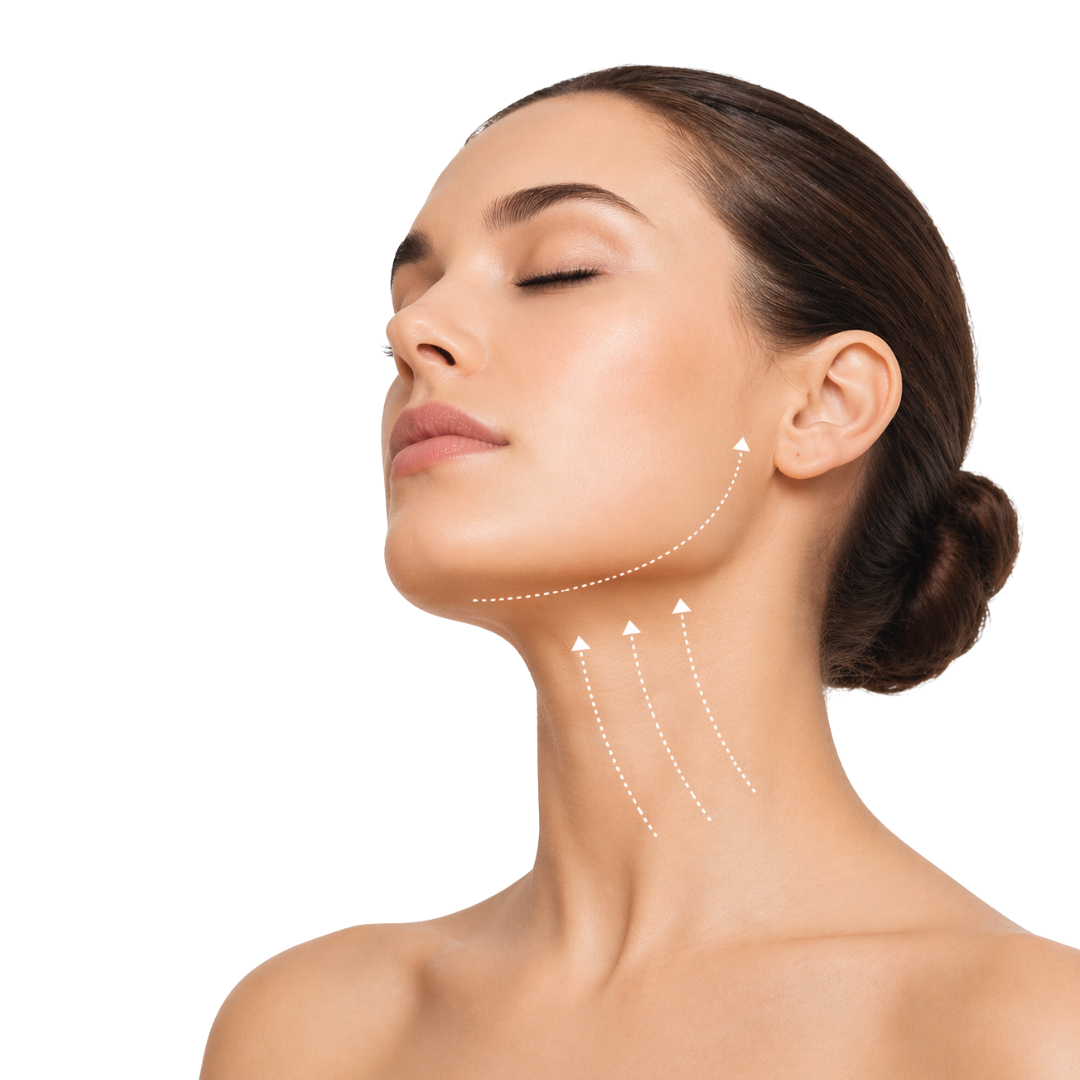
Aging affects the neck area significantly, often leading to loose skin, muscle banding, and stubborn fat deposits that alter the overall profile. Neck lift surgery offers a structural approach to restoring definition along the jawline and neck region. While older adults frequently seek this procedure to refresh their appearance, determining suitability involves examining structural anatomical changes, candidate criteria, procedural steps, and recovery considerations.
- Aging causes skin laxity, fat redistribution, and muscle sagging in the lower face and neck.
- Older adults often seek Neck Lift Surgery in Abu Dhabi to address severe sagging and redefine their profile.
- Surgical interventions focus on both superficial skin tightening and deep structural adjustments.
Understanding the Aging Neck
The neck undergoes several distinct anatomical changes over time due to a combination of gravity, loss of skin elasticity, and structural shift. As collagen and elastin production decreases, the skin loses its natural bounce and resilience. Additionally, the underlying platysma muscle begins to separate and sag, creating vertical bands that run from the jawline down to the collarbone. Fat tissue may also shift, accumulating beneath the chin or dissipating unequally, resulting in a loss of smooth contours.
- Loss of Elasticity: Collagen depletion leads to thin, crepe-like skin that sags over time.
- Platysmal Banding: Separation of the neck muscles creates noticeable vertical lines and cord-like appearances.
- Volume Shifts: Accumulation of submental fat creates a double chin or masks the jawline.
Evaluating Suitability for Older Adults
Age alone is rarely a restricting factor when evaluating an individual for neck contouring surgery. Instead, overall health status, tissue quality, and realistic expectations play far more vital roles. Many adults in their 60s, 70s, or beyond are prime candidates for surgical refinement, provided their body can support healthy healing.
- Overall Physical Health: Candidates should have well-managed underlying medical conditions and clear surgical clearance.
- Skin Resilience: While older skin naturally has less elasticity, sufficient tissue quality is necessary to support redraped contours.
- Non-Smokers: Optimal tissue perfusion and healing require candidates to be non-smokers or willing to stop well in advance.
- Realistic Goals: Understanding that surgery refines contours rather than stopping the natural aging process entirely ensures higher post-procedure satisfaction.
Key Benefits of Neck Contouring for Seniors
For mature individuals, undergoing a surgical neck transformation can yield dramatic improvements in structural contouring that non-invasive therapies cannot match. Because mature neck issues are often rooted in deep muscle displacement rather than simple skin texture changes, targeted surgical intervention offers distinct structural advantages.
- Restored Jawline Definition: Removes excess tissue to recreate a clear separation between the chin and the neck.
- Smoother Neck Profile: Tightens the underlying muscle framework to eliminate prominent vertical neck bands.
- Elimination of Excess Skin: Trims away redundant skin that forms folds, turkey neck appearance, or heavy creasing.
- Long-Lasting Results: Structural adjustments to the underlying muscle layer provide enduring improvements compared to temporary non-surgical treatments.
Key Steps Involved in the Surgical Process
A comprehensive neck refinement procedure addresses both the deeper muscular foundation and the superficial skin layers. The surgical approach is customized based on whether the primary concern is skin laxity, excess fat, displaced muscle, or a combination of all three.
Incision Placement and Access
Precise incisions are positioned discreetly around natural body contours, such as behind the ears and sometimes under the chin, minimizing visible lines after full recovery.
Muscle Restructuring (Platysmaplasty)
The surgeon brings the separated edges of the platysma muscle together, tightening and anchoring them to create a firm, smooth supportive grid across the front of the neck.
Removal and Redraping of Tissue
Excess fat tissue is sculpted or removed, and the remaining skin is carefully draped over the newly defined contours. Redundant skin is trimmed away without creating unnatural tension.
Post-Procedure Recovery and Healing Considerations
Recovery timelines vary based on individual healing capabilities, health status, and the extent of structural modification performed. Proper post-operative care ensures smooth healing and helps preserve the structural results.
- Initial Healing Phase: Swelling and minor discomfort are standard during the first few days and gradually diminish over the first two weeks.
- Garment Support: Wearing a specialized compression garment helps support newly shaped tissues and reduces swelling.
- Activity Restrictions: Strenuous physical exercise, heavy lifting, and sudden neck twisting must be avoided during early recovery to protect the healing internal structures.
- Long-Term Healing: Full tissue settling and scar maturation continue over several months, gradually revealing the final contoured outcome.
Comparing Surgical Options with Non-Surgical Alternatives
Older adults often evaluate whether non-invasive treatments can achieve their desired goals before opting for surgery. Understanding the capabilities and limitations of each approach helps in making an informed decision.
- Surgical Redefinition: Best suited for moderate to severe skin laxity and muscle sagging, offering dramatic and enduring structural improvement.
- Energy-Based Skin Tightening: Uses radiofrequency or ultrasound to stimulate mild collagen production; best for early, mild skin laxity rather than deep structural sagging.
- Injectable Therapies: Can temporarily soften dynamic lines or reduce small localized fat pockets but cannot lift heavy, sagging skin or repair separated muscles.
- Maintenance Requirements: Non-surgical methods demand continuous maintenance sessions, whereas surgical options provide lasting foundational changes.
Frequently Asked Questions
Is there an upper age limit for undergoing neck refinement surgery?
There is no strict upper age limit for neck refinement procedures. Suitability is primarily determined by an individual’s overall physical health, medical history, and ability to undergo standard recovery rather than chronological age alone.
How does skin elasticity impact surgical results in older patients?
While mature skin naturally possesses less elasticity than younger skin, the core success of the procedure relies on tightening the underlying muscle layers. The remaining skin is then redraped smoothly over this new structure, making the procedure highly effective even with reduced natural skin bounce.
Can neck contouring be combined with other facial rejuvenation procedures?
Yes, it is common to combine neck contouring with lower facial procedures to ensure a harmonious, balanced transition between the jawline, chin, and neck regions.
How long do the structural outcomes of a neck procedure typically last?
While the procedure does not stop the natural aging process, the structural changes made to the underlying muscle and skin frame are long-lasting, often maintaining refined contours for many years.