A well-designed outdoor space should feel easy to navigate from the moment someone arrives. Visitors, customers, guests, and residents should be able to understand where they need to go without confusion. Clear signage can make a noticeable difference, especially in large properties, campuses, commercial developments, parks, memorial grounds, and residential communities. Thoughtfully designed stone signage combines practical information with an attractive appearance, making it a useful addition to many environments.
Boulder Designs creates distinctive stone-based signage that can help properties communicate directions while maintaining a natural and professional character. With carefully selected materials, readable lettering, and designs suited to the surrounding landscape, directional stone signs can provide useful wayfinding without looking out of place. The result is signage that supports navigation while contributing to the overall visual identity of a property.
Why Directional Stone Signs Matter for Outdoor Navigation
Outdoor navigation becomes more challenging when a property includes multiple buildings, entrances, pathways, parking areas, gardens, or separate destinations. Visitors may not always know which route to take, particularly when arriving for the first time. Directional stone signs can provide straightforward guidance at important decision points, helping people recognize entrances, parking areas, offices, facilities, or other destinations with less uncertainty.
Unlike temporary signs that may appear purely functional, permanent stone signage can become part of the property itself. A carefully planned sign can complement walkways, landscaping, architecture, and other exterior features. Boulder Designs focuses on creating signage that serves a practical purpose while also fitting naturally into its environment, giving property owners an attractive way to improve movement throughout their space.
Boulder Designs and Directional Stone Signs
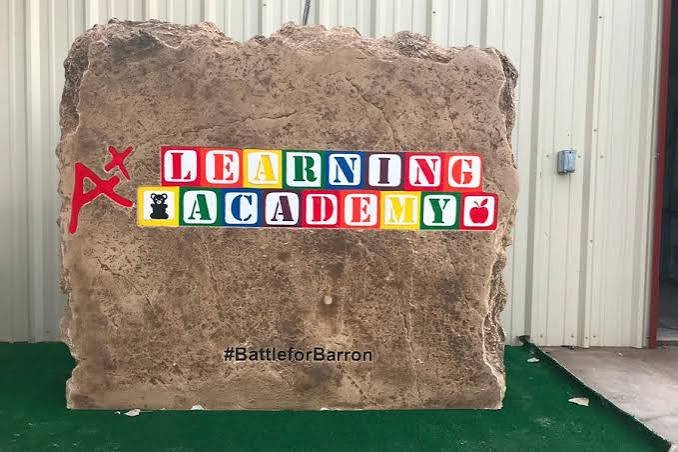
Choosing the right material can have a major influence on the character of outdoor signage. Stone offers a substantial appearance that works well with many architectural and landscape styles. Its natural texture can create a warm impression around residential settings, while a refined design can also suit commercial properties, offices, educational spaces, and public areas. Boulder Designs brings this material into signage concepts where durability and visual appeal are both important considerations.
The design process should also consider how people will actually interact with the sign. Letter size, contrast, placement, viewing distance, directional arrows, and surrounding landscape can all influence readability. Directional stone signs should communicate their message quickly, allowing visitors to understand the information without stopping for an extended period. A balanced design can make the sign easy to notice while keeping the appearance polished and uncluttered.
Creating a Strong First Impression With Stone Signage
Signs are often among the first physical features people notice when entering a property. An attractive sign can establish a sense of quality before visitors reach the main building or destination. Stone has a distinctive presence that can make an entrance feel established and thoughtfully planned. When paired with suitable lettering and an appropriate layout, signage can become a recognizable feature rather than simply an information marker.
Boulder Designs can help property owners consider how signage relates to the broader setting. A sign should not compete unnecessarily with surrounding features, but it should remain visible enough to serve its purpose. Natural tones, carefully arranged text, and complementary landscaping can create a cohesive appearance. This approach allows directional stone signs to perform a practical function while contributing to the character and atmosphere of the property.
Where Directional Stone Signs Can Be Used
Directional signage can be useful across a wide range of outdoor environments. Properties with several destinations particularly benefit from clear markers because visitors often need guidance at intersections, entrances, parking zones, and pathways. A permanent sign can also provide consistency, ensuring that important directions remain visible without relying on temporary printed materials.
Common applications include:
- Residential communities and neighborhood entrances
- Corporate campuses and office properties
- Schools, universities, and educational grounds
- Parks, gardens, and recreational spaces
- Healthcare and professional facilities
- Cemeteries and memorial properties
- Hotels, resorts, and hospitality locations
- Commercial developments and mixed-use areas
Each location has different navigation requirements, so the sign should be planned around the movement patterns of its visitors. A small garden may need only a few subtle markers, while a large campus could require a coordinated collection of signs. Consistency in typography, materials, placement, and directional information can make the entire property easier to understand.
Designing Directional Stone Signs for Readability
Good wayfinding begins with information that is simple and easy to recognize. A sign with too many words can become difficult to read, especially when visitors are viewing it from a vehicle or walking through an unfamiliar area. Short destination names, recognizable arrows, and appropriate spacing can make directional information much more effective.
The surrounding environment also matters. A sign positioned behind vegetation or near visual clutter may not perform as intended. Boulder Designs can take the setting into account when developing a concept, helping the finished piece feel connected to its surroundings while remaining noticeable. The goal is to create directional stone signs that communicate efficiently without overwhelming the landscape with excessive visual elements.
Balancing Durability and Aesthetic Appeal
Outdoor signs need to withstand changing conditions throughout the year. Exposure to sunlight, moisture, temperature changes, wind, and everyday environmental activity can affect exterior materials over time. Selecting a suitable stone and planning an appropriate design can help create signage that remains useful and attractive as the property evolves.
Durability does not have to mean sacrificing style. Stone can provide a strong foundation for designs ranging from simple and understated to more decorative and distinctive. Boulder Designs can incorporate visual details that complement the property’s existing character. When material selection, lettering, proportions, and placement work together, the sign can feel like a deliberate part of the landscape rather than an afterthought.
Making Signage Part of the Overall Landscape
Outdoor signage works best when it feels connected to the property around it. A sign placed beside a walkway may look more natural when surrounded by suitable planting or hardscape features. Likewise, an entrance marker can be designed to coordinate with nearby walls, columns, stonework, or architectural elements. Considering the entire setting helps create a more unified outdoor experience.
Boulder Designs understands that signage is only one component of a larger environment. Its visual qualities should relate to the surroundings instead of appearing disconnected from them. With thoughtful placement and a cohesive design approach, directional stone signs can support navigation while strengthening the property’s overall presentation. This is particularly valuable for locations where appearance and functionality need to work together.
Choosing the Right Information for Each Sign
Not every location requires the same type of directional message. Some signs may point visitors toward a particular building, while others can identify parking, entrances, offices, amenities, or separate sections of a property. Determining the most useful information before production can help prevent unnecessary wording and keep each sign focused.
A practical signage plan may consider:
- The main destinations visitors need to locate
- Where people commonly make navigation decisions
- Viewing distance and expected traffic
- Whether visitors are walking, driving, or using both
- The property’s existing architectural and landscape style
Planning these details in advance can improve the usefulness of the finished installation. Clear information combined with an appropriate visual hierarchy allows visitors to identify important directions quickly. This creates a more comfortable experience while helping the property maintain a consistent and professional appearance.
The Long-Term Value of Permanent Stone Signage
Permanent signage can offer value beyond immediate navigation. When a sign is designed specifically for a property, it can become part of the environment for years. A carefully considered installation may reduce the need for temporary directional materials while giving visitors a dependable reference point whenever they arrive.
Stone also has a timeless quality that can complement changing landscape designs and architectural updates. Rather than relying on short-term trends, property owners can select a design that remains appropriate as the surrounding environment develops. Boulder Designs provides an opportunity to approach signage as a lasting feature, combining useful wayfinding with a strong exterior presentation.
Working With Boulder Designs
A successful signage project begins with understanding the property’s needs, appearance, and visitors. Before selecting a final design, it can be helpful to consider the locations where guidance is most necessary, the destinations that should be identified, and the visual qualities that should be reflected in the finished piece. These decisions provide a strong foundation for developing signage that is both useful and attractive.
Boulder Designs can be considered when property owners want distinctive stone elements that serve a clear purpose outdoors. From entrance markers to wayfinding features, carefully planned signage can add structure and character to an environment. The right combination of material, wording, placement, and design can help create an experience that feels organized without losing the natural appeal of the setting.
Conclusion
Effective outdoor navigation should be simple, visible, and consistent. Well-planned directional stone signs can guide visitors toward important destinations while adding a permanent design element to residential, commercial, educational, recreational, and other properties. Stone provides a substantial appearance that can work naturally alongside landscaping and architecture, making it a practical option for long-term outdoor signage.
Boulder Designs offers a thoughtful approach to stone-based design, helping property owners consider both function and appearance. When signage is carefully planned around the needs of visitors and the character of the surrounding space, it can do more than point people in the right direction. It can become a lasting part of the property that improves navigation and contributes to a polished outdoor environment.