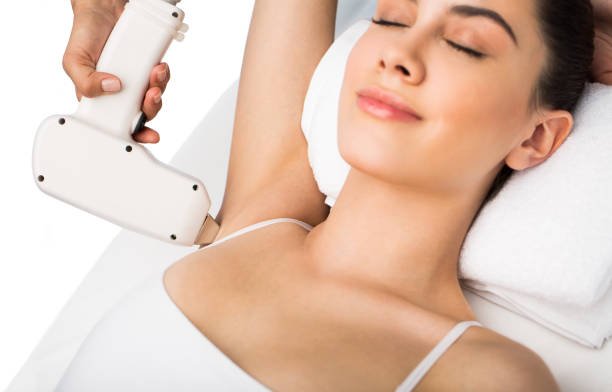
Laser Hair Removal in Abu Dhabi has become a popular choice for those seeking a long-lasting solution to unwanted hair. Many people wonder how this advanced procedure actually works at the core, targeting hair follicles with precision. Understanding the science behind laser hair removal can help individuals appreciate its effectiveness and know what to expect during the treatment process.
The Science Behind Laser Hair Removal
How Laser Light Interacts with Hair Follicles
Laser hair removal uses concentrated beams of light to target hair follicles beneath the skin’s surface. The laser emits a specific wavelength of light that is absorbed by the pigment within the hair follicle, known as melanin. This absorption process is crucial because it allows the laser energy to directly affect the follicle without harming the surrounding skin tissue.
The Role of Melanin in Targeting Hair Follicles
Melanin acts like a natural magnet for laser energy. Darker hair contains more melanin, making it more receptive to the treatment. When the laser light is absorbed by the melanin in the hair follicle, it converts into heat. This heat damages the follicle’s ability to produce new hair, effectively reducing hair growth over time.
Selective Photothermolysis: The Key Principle
The fundamental principle behind laser hair removal is called selective photothermolysis. This process involves using specific wavelengths of light that selectively target pigmented structures—in this case, hair follicles—while sparing the surrounding skin. Proper calibration of the laser ensures that only the follicles absorb enough energy to be damaged, making the procedure both safe and effective.
How Laser Targets Hair Follicles at a Cellular Level
Absorption of Laser Energy
When the laser is activated, its light penetrates the skin and reaches the hair follicle. The melanin within the follicle absorbs the laser energy, causing a rapid increase in temperature. This thermal effect is carefully controlled to ensure it destroys the follicle cells without damaging the skin.
Thermal Damage to Hair Follicles
The heat generated from laser absorption damages the hair follicle’s stem cells, which are responsible for hair growth. This damage inhibits the follicle’s ability to produce new hair, leading to a significant reduction in hair density over multiple sessions.
Impact on Hair Growth Cycle
Hair grows in cycles, with some hairs actively growing while others are in a resting phase. Laser hair removal is most effective on hairs in the active growth phase. Multiple sessions are necessary to target all hair follicles during their growth cycle, ensuring comprehensive results.
The Process of Targeting Hair Follicles During Treatment
Precision of Laser Delivery
Advanced laser devices are equipped with technology that allows for precise targeting of hair follicles. The laser beam is focused on specific areas, and the energy is delivered in controlled pulses. This precision minimizes discomfort and maximizes the destruction of hair follicles.
Adjusting Wavelengths for Different Hair Types
Different hair and skin types require specific laser wavelengths for optimal results. The ability to adjust these parameters ensures that the laser effectively targets the melanin in the hair follicle while protecting the skin.
Safety Measures During Treatment
Professionally performed laser hair removal treatments include safety measures such as cooling devices to protect the skin. These measures help to prevent any unnecessary discomfort and ensure the treatment is safe for all skin types.
The Long-Term Effectiveness of Laser Hair Removal
Follicle Destruction and Hair Reduction
By targeting the hair follicles directly, laser hair removal offers a long-term reduction in hair growth. While some hair may eventually regrow, it tends to be finer and lighter, making maintenance easier.
Permanent Results Over Time
Multiple treatment sessions lead to the permanent reduction of hair in treated areas. The destruction of active hair follicles prevents new hair from growing, resulting in smooth, hair-free skin that lasts for years with proper maintenance.
Why Multiple Sessions Are Necessary
Since hair grows in different phases, a single session cannot target all follicles. Multiple sessions ensure that hair in all growth stages is treated, maximizing the overall effectiveness of the procedure.
FAQs About Laser Hair Removal in Abu Dhabi
Is Laser Hair Removal Suitable for All Skin Types?
Laser hair removal can be effective for most skin types, especially with the availability of different laser technologies. A consultation helps determine the best approach based on individual skin and hair characteristics.
How Many Treatments Are Usually Needed?
Most people require a series of treatments, typically spaced several weeks apart, to achieve optimal results. The exact number varies depending on hair type, skin type, and treatment area.
Does Laser Hair Removal Work on All Hair Colors?
Laser hair removal is most effective on darker hair due to higher melanin content. Light-colored or grey hair may require alternative methods for hair removal.
Is the Procedure Painful?
Most individuals find the procedure tolerable, describing it as a sensation similar to a rubber band snapping against the skin. Cooling devices and topical anesthetics can help minimize discomfort.
How Long Does a Typical Session Take?
The duration depends on the size of the area being treated. Smaller areas may take only a few minutes, while larger areas can require up to an hour.
Conclusion
Laser Hair Removal in Abu Dhabi targets hair follicles by harnessing the power of light and heat to destroy the structures responsible for hair growth. Through precise technology and an understanding of the hair growth cycle, this method offers a safe and effective way to achieve long-lasting hair reduction. As it selectively damages hair follicles while preserving surrounding tissue, it provides a practical solution for those seeking smooth, hair-free skin with minimal hassle.