
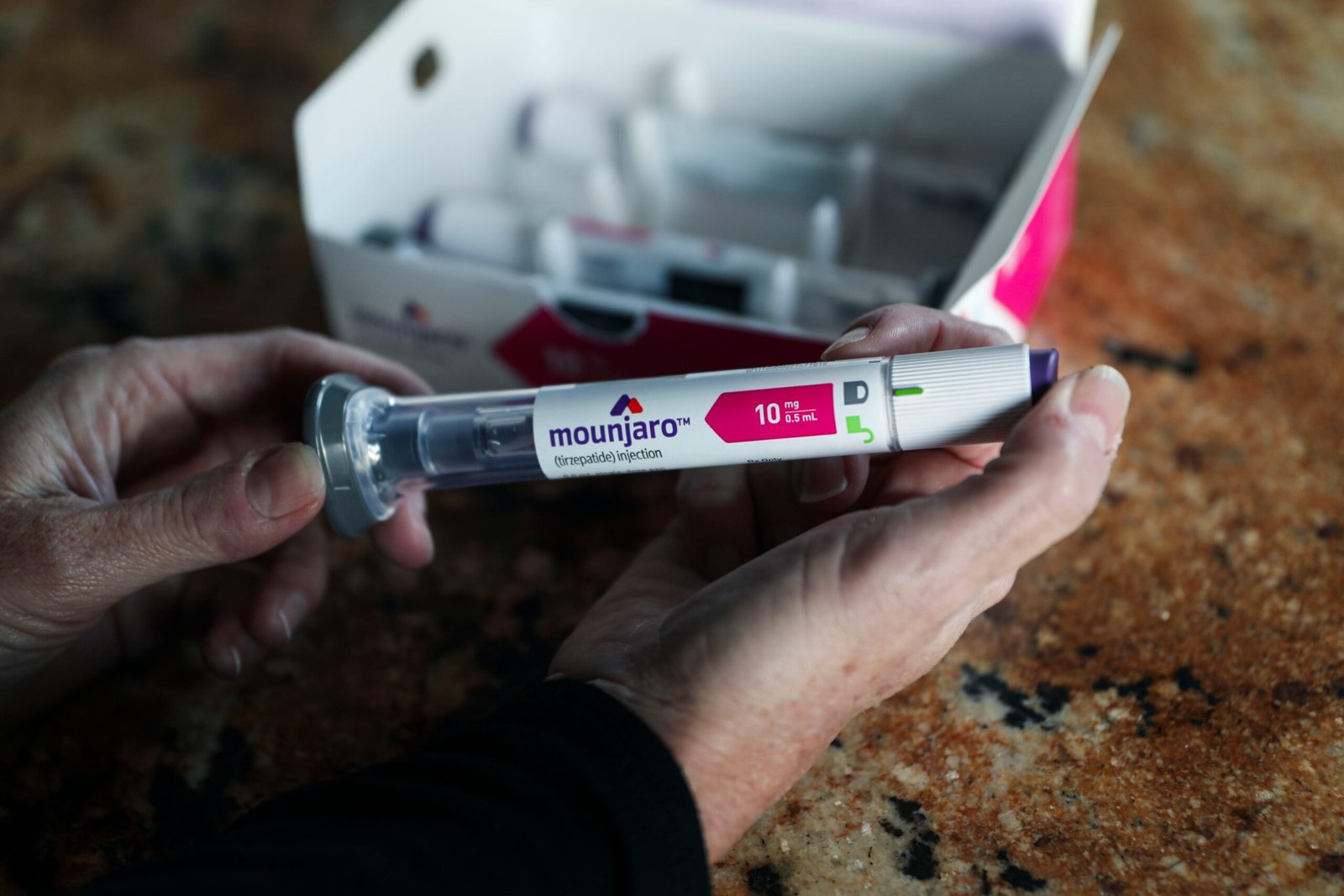
Starting a weight-management treatment is only the beginning. If you are considering Mounjaro in Islamabad, regular medical follow-up can help your doctor understand how your body is responding and whether the overall treatment plan remains appropriate. Instead of looking only at the weighing scale, doctors can consider several aspects of your health and progress.
Why Monitoring Matters During Mounjaro Treatment
Weight can naturally change from day to day because of hydration, meals, activity, and other factors. Because of this, one measurement does not always tell the full story.
Doctors look at trends rather than isolated numbers. Regular assessments can help distinguish genuine progress from normal short-term fluctuations and provide a better understanding of how treatment is working.
Medical monitoring can also identify concerns early and give you an opportunity to discuss changes or symptoms with your healthcare provider.
Looking Beyond the Number on the Scale
Body weight is useful information, but it is not the only measure of progress. A doctor may consider how your weight changes over several weeks or months rather than expecting the same result at every appointment.
Long-term trends are often more meaningful than daily fluctuations. Your healthcare provider may compare your current measurements with your starting point and consider whether the pace of change is appropriate for your individual circumstances.
This approach can also reduce the pressure of expecting the scale to move in a perfectly predictable direction.
Mounjaro in Islamabad: What Doctors May Monitor
During medically supervised treatment, your doctor may assess different aspects of your response. The exact monitoring approach can vary depending on your health and treatment goals.
- Body weight: Your doctor may track changes over time rather than focusing on a single reading.
- Appetite: Changes in hunger, fullness, and food intake may provide useful information.
- Waist measurement: In some cases, changes in waist circumference can add context to weight measurements.
- Blood glucose: For patients with relevant metabolic concerns, glucose-related measurements may be monitored.
- Side effects: Symptoms such as nausea, vomiting, diarrhoea, or constipation should be discussed.
- Lifestyle habits: Nutrition, physical activity, sleep, and other routines can influence overall progress.
- Treatment tolerance: Your doctor may assess how comfortably you are managing the medication.
The purpose of monitoring is to understand the whole picture rather than simply chase a lower number on the scale.
Assessing Changes in Appetite
Mounjaro contains tirzepatide, which acts on GIP and GLP-1 receptors and can influence appetite and glucose regulation. Some patients may notice earlier fullness or a reduction in hunger during treatment.
Changes in appetite can be useful information for your doctor. However, a very low appetite should not automatically be viewed as a better outcome.
Your healthcare provider may ask whether you are still able to eat and drink adequately and whether changes in appetite are affecting your daily routine or nutritional intake.
Tracking Waist and Body Measurements
Weight alone does not always show every physical change. Depending on the treatment plan, your doctor may also consider measurements such as waist circumference.
Additional measurements can provide useful context alongside body weight. They may help your healthcare provider understand changes that are not obvious from the scale alone.
Measurements should ideally be taken consistently so that comparisons over time are more meaningful.
Considering Blood Sugar and Metabolic Health
Mounjaro is a prescription medicine used in the management of type 2 diabetes, and tirzepatide also has an established role in chronic weight management under its approved indications in certain countries. When metabolic health is relevant to a patient’s care, doctors may consider blood glucose and other appropriate measures.
Weight management and metabolic health can overlap, but they are not identical. A person may have meaningful improvements in health markers even when changes in body weight are gradual.
Your doctor can decide which measurements are relevant based on your medical history and treatment goals.
Reviewing Side Effects and Treatment Tolerance
Progress is not simply about losing weight. Your doctor also needs to know how well you tolerate the medication.
Mounjaro can cause gastrointestinal side effects such as nausea, diarrhoea, vomiting, constipation, and decreased appetite. Reporting persistent or troublesome symptoms is an important part of safe medical follow-up.
Never change the prescribed dose or schedule on your own because of side effects. Discuss the issue with the healthcare professional supervising your treatment.
Evaluating Nutrition
Reduced appetite can sometimes make it easier to eat less, but your body still requires adequate nutrition. Doctors may ask about your meals, appetite, hydration, and general eating pattern.
Quality of food matters alongside quantity. A sustainable approach should provide appropriate nutrients rather than encouraging unnecessary or extreme restriction.
For Pakistani patients, nutrition advice can be adapted around familiar foods such as roti, rice, daal, vegetables, chicken, fish, eggs, and yoghurt. The focus should be on creating balanced choices that fit your individual needs.
Reviewing Physical Activity
Your doctor may also ask about your activity level. Regular movement can support general health and complement a broader weight-management strategy.
Exercise does not need to mean an extreme gym routine. Depending on your health and fitness level, walking, resistance exercises, or other suitable activities may form part of your routine.
If you are new to exercise or have health concerns, discuss an appropriate level of activity with your healthcare professional.
Understanding the Pace of Progress
Not everyone loses weight at the same rate. Your response can be influenced by factors such as starting weight, eating patterns, physical activity, health conditions, medications, and individual biology.
A slower result does not automatically mean that treatment has failed. Your doctor can assess the broader trend and determine whether your current plan remains appropriate.
Likewise, faster weight loss is not necessarily a reason to increase medication or make other changes without medical advice.
Comparing Progress With Your Starting Point
Doctors often need a baseline to understand where treatment began. This may include initial weight, relevant measurements, medical history, lifestyle information, and other health indicators.
Your starting point provides the context for later results. A change that looks small in isolation may represent meaningful progress when compared with your original measurements and health goals.
This is why keeping regular follow-up appointments can be more useful than judging treatment based on occasional weigh-ins.
Reviewing Your Overall Health
Weight is only one part of health. Your doctor may also ask about energy, daily functioning, eating habits, physical activity, sleep, and other relevant aspects of your wellbeing.
Successful weight management should support overall health rather than focus exclusively on appearance. Your treatment plan can be evaluated according to both physical changes and your broader health objectives.
This wider perspective can make treatment decisions more balanced and realistic.
When Doctors May Reassess the Treatment Plan
If your response changes or you experience ongoing problems, your doctor may reassess your treatment strategy. The appropriate approach depends on your individual circumstances.
Treatment should be adjusted based on medical assessment, not online advice. Your doctor may review your progress, side effects, lifestyle factors, and relevant health measurements before deciding what should happen next.
Do not increase, decrease, or stop prescription medication without professional guidance.
Keeping Your Expectations Realistic
Social media can make weight-loss journeys appear faster and more predictable than they really are. Comparing your progress with another person’s experience can create unnecessary frustration.
Your treatment journey is individual. A medically guided plan focuses on appropriate progress and sustainable health improvements rather than promising identical results for every patient.
Ask your doctor what outcomes are realistic for your particular circumstances and how progress will be evaluated.
Final Thoughts
Doctors evaluate Mounjaro treatment progress through more than the weighing scale. Weight trends, appetite, measurements, metabolic health, nutrition, activity, side effects, and overall wellbeing can all help provide a clearer picture of how treatment is progressing.
For patients seeking professional guidance, Dynamic Aesthetic Clinic combines medical expertise, board-certified surgeons, and advanced techniques relevant to modern aesthetic and weight-management care.