Breast shape and position vary naturally from one person to another. Some individuals naturally have breasts that sit lower on the chest, while others develop a lower breast position because of aging, pregnancy, breastfeeding, weight changes, or reduced skin elasticity. Naturally low-set breasts are not necessarily a sign of a problem, but some people may choose to explore breast lift surgery when they want a higher or more elevated breast contour.
Breast lift surgery, medically known as mastopexy, is designed to raise and reshape the breasts by removing excess skin and repositioning breast tissue. Depending on the individual’s anatomy, the procedure may also involve repositioning the nipple-areola complex.
For people researching Breast Lift Surgery in Oman, understanding the difference between naturally low-set breasts and breasts that have become lower over time is particularly important. A low breast position can be a normal anatomical characteristic, and surgery is not automatically required. The decision depends on personal preferences, breast structure, skin quality, overall health, and desired results.
What Are Naturally Low-Set Breasts?
Naturally low-set breasts are breasts that sit relatively low on the chest from the beginning of a person’s adult development. This position may be influenced by genetics, chest-wall anatomy, breast shape, skin characteristics, and the distribution of breast tissue.
Some individuals naturally have a lower breast crease or a longer lower breast shape. Others may have nipples that are positioned lower on the breast without significant skin laxity or tissue damage.
This is different from breast ptosis, commonly called breast sagging, which generally refers to downward displacement of breast tissue and the nipple-areola complex over time.
The distinction matters because a person with naturally low-set breasts may not have the same surgical needs as someone whose breasts have become significantly lower because of aging or pregnancy.
During an assessment, a surgeon can evaluate the breast position, nipple location, skin elasticity, breast volume, and overall proportions to determine whether a lift may be appropriate.
Why Do Some Breasts Naturally Sit Lower?
Breast position is influenced by multiple anatomical factors. Genetics can play a significant role in determining breast shape and where the breasts naturally sit on the chest.
The shape and width of the chest wall can also influence breast placement. Breast tissue is not positioned identically on every person’s body, so there is considerable natural variation.
Skin elasticity is another factor. People with naturally more flexible or thinner skin may have a different breast contour than those with firmer skin.
Breast size can also affect appearance. Larger or heavier breasts may naturally sit lower because of their weight, while smaller breasts can also have a lower-set appearance depending on the underlying anatomy.
Pregnancy, breastfeeding, aging, and weight fluctuations may further change the original breast position. A person who has always had low-set breasts may notice additional downward movement later in life.
Understanding these differences is important because breast lift surgery should address the individual’s actual anatomy rather than attempt to make every breast conform to the same position.
How Surgeons Assess Naturally Low-Set Breasts
A consultation for Breast Lift Surgery in Oman generally involves a detailed assessment rather than relying on a single measurement.
Nipple Position
The nipple-areola complex is examined in relation to the breast crease beneath the breast. Its position can provide useful information about whether the breast is naturally low-set or whether significant ptosis has developed.
The direction of the nipple may also be considered. A nipple that points downward can indicate a greater degree of breast descent, although nipple direction alone does not determine whether surgery is needed.
Breast Shape and Tissue Distribution
The surgeon examines how breast tissue is distributed across the upper and lower portions of the breast.
Some naturally low-set breasts may have adequate volume and relatively firm tissue. Others may have reduced upper-breast fullness or increased tissue toward the lower breast.
This information helps determine whether a lift alone might address the individual’s concerns or whether another approach should be discussed.
Skin Elasticity
Skin quality is particularly important when considering a breast lift. The surgeon may assess how loose or stretched the skin is and how much excess skin is present.
If the skin has good elasticity and there is little sagging, extensive surgery may not be necessary. When there is significant skin laxity, a more comprehensive lift may be considered.
Overall Body Proportions
Breasts are evaluated in relation to the chest, shoulders, waist, and overall body shape.
A breast position that looks low on one body type may look completely natural on another. Therefore, the goal is not simply to move the breasts as high as possible. Instead, treatment planning generally focuses on creating proportions that appear balanced for the individual’s anatomy.
Can Breast Lift Surgery Raise Naturally Low-Set Breasts?
A breast lift can raise the position of breast tissue and the nipple when appropriate. However, the extent of elevation depends on the starting anatomy and the amount of tissue and skin that needs to be repositioned.
For naturally low-set breasts, the surgeon must consider whether the breast position is actually caused by excess skin and tissue descent or whether the lower position is primarily determined by the person’s chest anatomy.
This distinction helps establish realistic expectations.
A breast lift can reshape the breast envelope and reposition tissue, but it cannot completely change the underlying chest-wall anatomy. Attempting to create an excessively high breast position may result in an appearance that does not complement the rest of the body.
A well-planned procedure therefore aims for a balanced elevation rather than an arbitrary height.
Choosing the Right Breast Lift Technique
There is no single breast lift technique that works for every individual. The surgical approach depends on factors such as breast size, degree of sagging, skin elasticity, nipple position, and desired outcome.
For relatively mild changes, a less extensive incision pattern may sometimes be considered. More noticeable breast descent may require additional incisions to allow greater skin removal and tissue reshaping.
When substantial sagging is present, a more comprehensive technique may be necessary to achieve adequate lifting and contouring.
The final decision should be made following an in-person examination by a qualified surgeon. The surgeon can explain where incisions are expected to be placed, what degree of lifting may be realistic, and how the technique may affect the final breast shape.
Scarring is an important part of this discussion. Because excess skin often needs to be removed, some degree of scarring is expected after breast lift surgery. The pattern and length of scars depend on the technique used.
Breast Lift Alone or Additional Volume?
Naturally low-set breasts do not automatically require additional volume. Some individuals may be satisfied with their existing breast size and simply want a more elevated position.
Others may feel that their breasts have lost upper fullness due to pregnancy, breastfeeding, aging, or weight loss. In such situations, a surgeon may discuss whether adding volume could better address the individual’s goals.
A lift and volume enhancement serve different purposes. The lift primarily addresses position and excess skin, while volume enhancement focuses on increasing fullness.
The appropriate approach depends on the person’s existing breast tissue, skin quality, proportions, and aesthetic preferences.
It is also important to avoid assuming that a larger breast automatically produces a better silhouette. The most suitable result is generally one that works harmoniously with the person’s body.
What to Expect During Recovery
Breast lift surgery involves a period of healing. Swelling, bruising, tightness, and temporary discomfort are common during the early recovery period.
The breasts may initially appear higher than expected because of swelling and tissue tightness. As healing progresses, the tissues gradually settle and the shape becomes more natural.
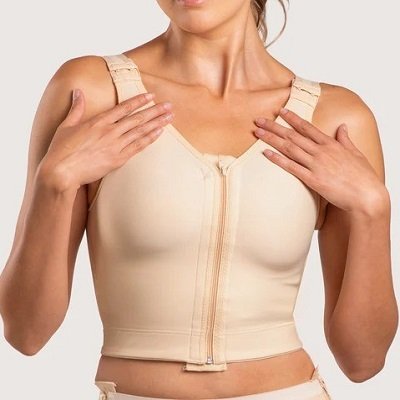
A surgeon may recommend a supportive garment and provide instructions concerning wound care, bathing, medications, sleeping positions, and physical activity.
Strenuous exercise and heavy lifting may need to be avoided temporarily. The exact timeline varies according to the extent of surgery and individual healing.
Patients should also understand that scars do not disappear immediately. They generally mature gradually, and their final appearance can depend on genetics, skin characteristics, incision placement, and aftercare.
Following postoperative instructions and attending recommended follow-up appointments can help monitor the healing process.
Understanding Long-Term Results
A breast lift can create a significant improvement in breast position and contour, but the result is not immune to future changes.
Aging continues after surgery, and the skin naturally loses elasticity over time. Gravity also continues to affect breast tissue.
Pregnancy can change breast size and shape again, while significant weight gain or weight loss can alter the amount of breast tissue and skin.
For this reason, individuals considering Breast Lift Surgery in Oman should think about their current circumstances and future plans before proceeding.
Maintaining a stable weight can help support the long-term result. However, even with healthy habits, some gradual changes over the years are completely normal.
The purpose of surgery is therefore not to permanently freeze the breasts in one position. Instead, it can provide a new breast contour that may remain improved for many years.
Making an Informed Decision About Breast Lift Surgery in Oman
Anyone considering Breast Lift Surgery in Oman should begin with a professional consultation and a realistic understanding of the procedure.
Naturally low-set breasts can be completely normal, and surgery is a personal choice rather than a medical requirement in most cases. The decision should be based on how the individual feels about the breast position and whether the potential benefits outweigh the risks and recovery involved.
During consultation, individuals can ask about the degree of lifting that may be realistic, the expected scar pattern, recovery requirements, potential complications, and whether a lift alone is likely to achieve the desired outcome.
Potential surgical risks can include infection, bleeding, changes in breast or nipple sensation, asymmetry, delayed wound healing, scarring, and changes in breast shape. A qualified medical professional should explain these risks in detail.
The most successful treatment plan is one that takes the person’s natural anatomy into account rather than pursuing an unrealistic or standardized breast position.
Frequently Asked Questions
1. Are naturally low-set breasts considered abnormal?
No. Breast position varies considerably from person to person. Naturally low-set breasts can be a normal anatomical characteristic influenced by genetics, chest shape, breast volume, and skin structure.
2. Can breast lift surgery raise naturally low-set breasts?
A breast lift can raise and reshape breast tissue when the individual’s anatomy is suitable for the procedure. However, the degree of elevation depends on factors such as skin elasticity, breast tissue, nipple position, and chest-wall anatomy.
3. Does a low breast position always mean that the breasts are sagging?
No. Naturally low-set breasts and acquired breast sagging are not necessarily the same. A professional examination can help determine whether the lower position is a natural anatomical feature or the result of tissue and skin descent.
4. Will a breast lift change breast size?
A breast lift primarily changes breast position and shape rather than significantly increasing or decreasing volume. Removing excess skin can sometimes make the breasts appear more compact, while reshaping can improve their contour.
5. Can naturally low-set breasts be lifted without adding volume?
Yes. If the individual has sufficient breast tissue and is satisfied with the existing volume, a lift alone may be considered. Additional volume is not automatically necessary.
6. Can pregnancy affect the results of a breast lift?
Yes. Pregnancy can cause changes in breast size, skin elasticity, and breast position. Individuals planning future pregnancies should discuss timing with a qualified healthcare professional before undergoing surgery.
Read More About Breast Lift Surgery: https://autopedia.co.uk/events/oman/muscat/muscat-1/breast-lift-surgery-why-your-starting-shape-matters/