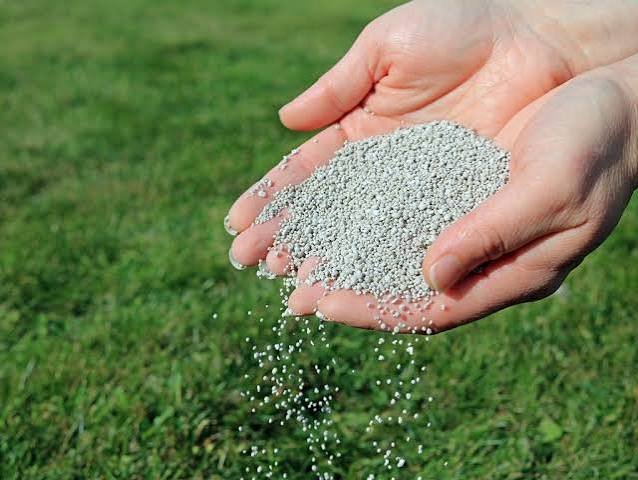
Australian lawns face different growing conditions throughout the year. Temperature, rainfall, soil and grass variety all influence fertiliser needs. Choosing the best lawn fertiliser means considering these factors before each seasonal application. A suitable fertilising routine can provide nutrients at the right stage, supporting healthy colour, root growth and consistent turf development.
Spring: Encourage Healthy Lawn Growth
Spring signals renewed growth as temperatures rise and daylight hours increase. Warm-season grasses such as couch, buffalo and kikuyu become increasingly active during this period. Nitrogen supports leaf development and helps encourage fresh green growth.
Apply fertiliser once the lawn shows active growth. Ensure the soil has suitable moisture before application. Follow the product instructions for quantity and timing. Regular mowing also helps maintain an even appearance as grass growth increases.
Summer: Support Lawn Health In Hot Weather
Summer brings higher temperatures and stronger sunlight across many Australian regions. Lawns use water more quickly during these conditions, making careful nutrient management important. A balanced fertiliser can provide nutrients for continued turf development when applied appropriately.
Water according to grass type, soil and local weather. Early morning watering allows moisture to reach the root zone before daytime heat increases evaporation. Maintain the recommended mowing height to support healthy turf throughout active summer growth.
Autumn: Strengthen Roots Before Winter
Autumn brings gradual temperature changes and different growth patterns across grass varieties. Warm-season grasses begin slowing as conditions become cooler. Cool-season grasses can become more active in suitable regions during this period.
Choose fertiliser according to the grass variety and its growth stage. Nutrients that support root development can help prepare actively growing lawns for cooler conditions. Soil testing can also provide useful information about nutrient availability before applying fertiliser.
Winter: Adjust Fertilising To Grass Growth
Winter requirements vary considerably across Australian lawns. Warm-season varieties usually enter dormancy or experience slower growth in colder regions. Cool-season varieties, including tall fescue and ryegrass, can continue growing in many southern areas.
Consider the lawn’s current growth before selecting a winter fertiliser. Active cool-season turf may benefit from suitable nutrients during this period. Maintaining appropriate moisture and mowing practices also helps support lawns through cooler weather.
How To Choose The Right Fertiliser For Your Lawn
Several factors help determine suitable fertiliser for an Australian lawn. The best lawn fertiliser matters. They are:
- Grass Type: Match fertiliser to the needs of warm-season or cool-season grass.
- NPK Ratio: Consider nitrogen, phosphorus and potassium levels when selecting a formulation.
- Soil Condition: Soil testing can identify nutrient levels and guide fertiliser selection.
- Application Rate: Follow manufacturer directions for quantity, timing and frequency.
These factors help match products to lawn needs.
Seasonal Lawn Care Tips For Australian Conditions
Seasonal fertilising works alongside consistent lawn care practices. Such as:
- Watering: Adjust watering to rainfall, temperature, soil type and grass requirements.
- Mowing: Maintain the recommended height for the particular grass variety.
- Soil Testing: Check nutrient levels when planning a fertilising programme.
- Lawn Repair: Use best lawn seed when establishing or repairing suitable areas.
These practices support healthy lawn growth.
Conclusion
Seasonal fertilising helps Australian lawns receive suitable nutrients during active growth periods. Grass variety, local climate and soil condition should guide product selection and timing. Spring and summer support active growth, while autumn and winter require adjustments based on temperature and turf type. A consistent approach supports healthy lawn growth.