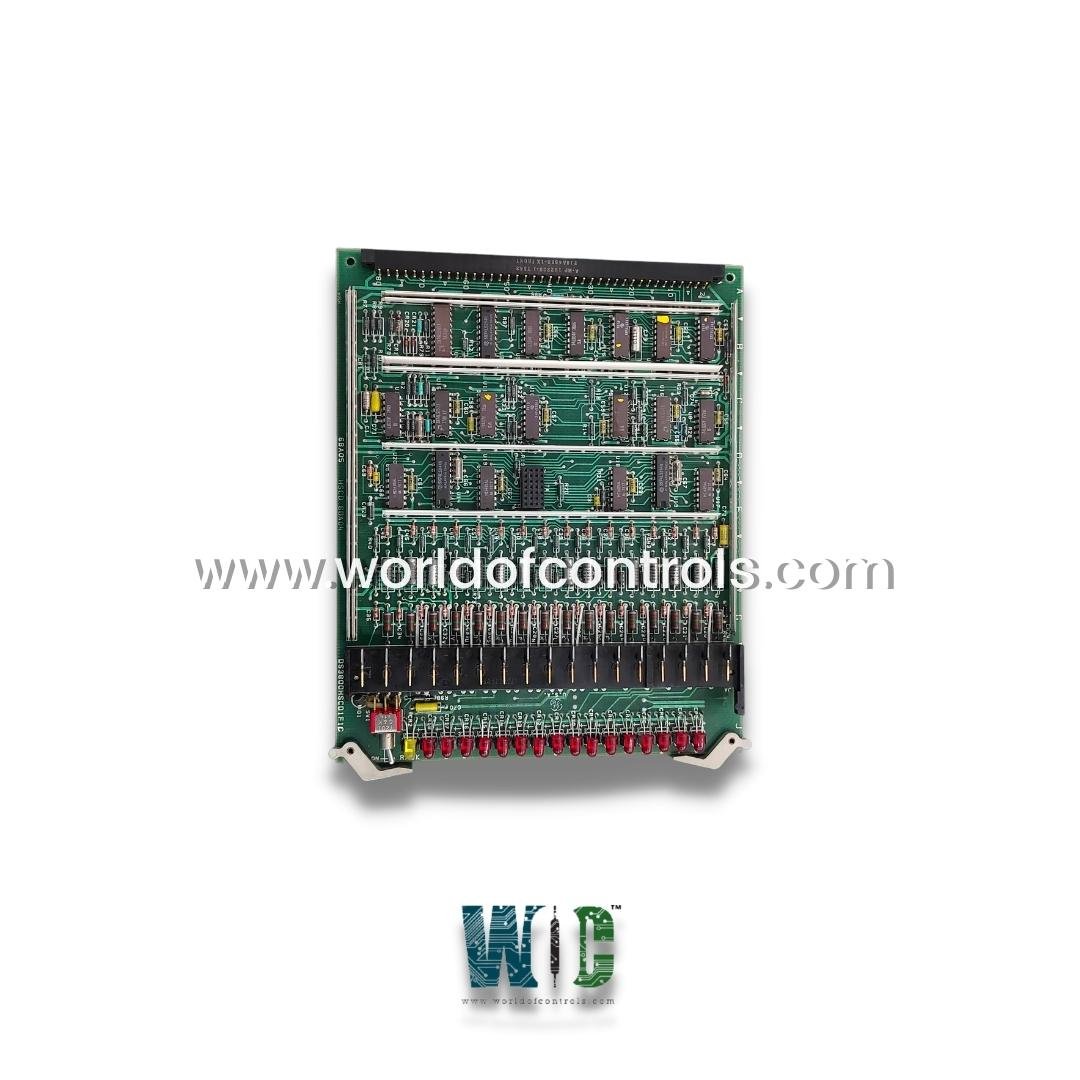
Turbine control systems rely on accurate and dependable input signals to monitor operating conditions and make timely control decisions. From temperature and pressure to speed and vibration, field signals provide essential information about turbine performance. Non-isolated input boards serve as an important interface between these field devices and the control system, helping transmit operational information for monitoring and control.
In legacy GE turbine control environments, these boards are part of the broader control architecture used to process incoming signals. Understanding their purpose, maintenance requirements, and role in system reliability is important for turbine operators and maintenance professionals.
What Is a Non-Isolated Input Board?
A non-isolated input board is an electronic control-system component designed to receive signals from field devices and make those signals available to the turbine control system. Depending on the system configuration, these signals may come from sensors, switches, transmitters, or other instrumentation installed throughout the turbine system.
The term “non-isolated” means that the input circuitry does not provide electrical isolation between the incoming field signal and the associated control circuitry. As a result, proper grounding, wiring, signal compatibility, and system configuration are particularly important when using this type of board.
Role in Turbine Control Systems
Turbines operate under demanding conditions and require continuous monitoring to maintain safe and efficient operation. Input boards contribute to this process by receiving information from various field-level devices.
For example, a turbine control system may use input signals to monitor:
- Turbine speed and rotational conditions
- Exhaust and bearing temperatures
- Lubricating oil pressure
- Fuel or steam conditions
- Vibration and other mechanical parameters
- Switch and alarm conditions
The control system uses these signals to evaluate turbine operating conditions and, where applicable, initiate appropriate control or protective actions.
Why Input Board Reliability Matters
The accuracy of the information entering a turbine control system can directly affect how the system responds to changing operating conditions. A damaged or malfunctioning input board may contribute to inconsistent, missing, or unexpected signals.
Several factors can affect input-board performance, including electrical stress, aging components, poor connections, environmental conditions, and problems elsewhere in the signal path. Because turbine facilities often operate continuously for extended periods, identifying these issues early can help reduce unplanned downtime.
Maintenance and Troubleshooting
Maintaining input boards requires a systematic approach. When an unexpected signal or control-system alarm occurs, technicians should determine whether the source is the field instrument, wiring, connections, input circuitry, or another component within the control architecture.
Routine inspection can include checking connectors, examining boards for visible signs of damage, verifying signal continuity, and comparing measured values with expected operating conditions. For legacy GE turbine control systems, maintenance teams should also consider component age and long-term availability when developing maintenance plans.
Any replacement board should be verified for electrical and functional compatibility with the existing control system. Manufacturer documentation and site-specific procedures should be followed when testing, removing, or installing control-system hardware.
Supporting Reliable Turbine Operations
Non-isolated input boards may represent only one element of a complex turbine control system, but their ability to receive field information makes them an important part of the overall signal chain. Reliable input processing helps control systems maintain an accurate view of turbine operating conditions.
For facilities operating legacy turbine control equipment, proactive inspection, troubleshooting, and lifecycle planning can help extend system reliability. Understanding the function of non-isolated input boards also allows maintenance teams to identify potential signal-related problems more efficiently and make informed decisions about repair, replacement, or future control-system upgrades.
Ultimately, dependable turbine operation depends on the performance of the entire control architecture. Maintaining critical input components is therefore an important part of supporting turbine availability, operational continuity, and long-term plant performance.