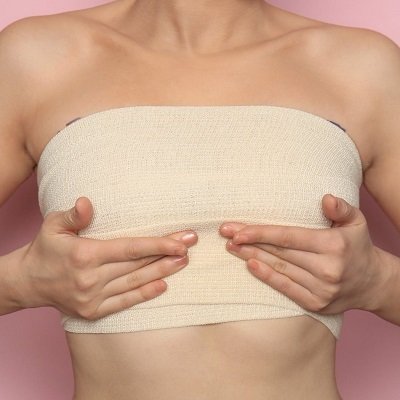
Breast lift surgery, also known as mastopexy, is a cosmetic procedure designed to raise and reshape breasts that have lost firmness or changed position over time. Aging, pregnancy, breastfeeding, significant weight changes, genetics, and natural changes in skin elasticity can all contribute to breast sagging. For some people, these changes may affect confidence, clothing choices, or how the breasts look in proportion to the rest of the body.
Knowing whether Breast Lift Surgery is appropriate is a personal decision. Not every person with breast sagging needs or wants surgery, and the degree of sagging can vary considerably. A qualified plastic surgeon can assess breast position, skin quality, nipple placement, and overall health before recommending an appropriate approach.
This guide explains the common signs that may indicate a breast lift could be worth considering, what the procedure involves, and what someone should think about before making a decision.
What Is Breast Lift Surgery?
Breast lift surgery is a procedure that reshapes and raises the breast by removing excess skin and tightening the surrounding tissue. Unlike breast augmentation, which primarily adds volume, a breast lift focuses on improving breast position and shape.
During the procedure, the surgeon typically makes carefully planned incisions around the breast. The amount and pattern of incisions depend on factors such as the degree of sagging, breast size, skin elasticity, and the desired result. Excess skin may be removed, and the breast tissue can be reshaped to create a higher and more balanced position.
The nipple and areola may also be repositioned when necessary. In some cases, the size of the areola can be reduced if it has become enlarged or stretched.
A breast lift does not necessarily increase breast size. Someone who wants both a lifted appearance and additional fullness may discuss combining a lift with breast augmentation. Conversely, breast reduction may be considered when heavy or oversized breasts are causing physical discomfort along with sagging.
Common Signs That a Breast Lift May Be Worth Considering
One of the most noticeable signs is downward breast positioning. When the breasts have lost their youthful position and appear to sit lower on the chest, a lift may help restore a higher contour.
Another common sign is nipples that point downward rather than forward or slightly upward. Nipple position can change as the supporting breast tissue and skin stretch.
Other signs that may indicate someone could benefit from breast lift surgery include:
- Breasts that appear flatter or less firm than they previously did
- Excess or loose skin around the breasts
- Nipples positioned below the natural breast crease
- Nipples or breasts pointing downward
- Uneven breast position or noticeable asymmetry
- Breasts that have changed significantly after pregnancy or weight loss
- Difficulty finding clothing or bras that fit comfortably because of breast shape
- Feeling self-conscious about breast sagging despite maintaining a stable weight
These signs do not automatically mean surgery is necessary. Breast appearance varies naturally from person to person, and mild sagging can be completely normal. The purpose of a consultation is to determine whether the desired improvement can realistically be achieved through a lift.
Why Do Breasts Sag Over Time?
Breast sagging, medically referred to as breast ptosis, is a natural process influenced by several factors. The breasts contain fatty tissue, glandular tissue, connective tissue, and skin. Over time, the skin can lose elasticity, while changes in breast volume can affect the overall shape.
Pregnancy can also cause substantial changes. During pregnancy, breast tissue may enlarge as the body prepares for breastfeeding. After pregnancy and breastfeeding, breast volume can decrease, sometimes leaving stretched skin and a lower breast position. Importantly, breastfeeding itself is not considered the sole cause of breast sagging; many of the changes are associated with pregnancy-related breast enlargement and subsequent changes in volume.
Significant weight fluctuations can have a similar effect. When the breasts gain and lose volume repeatedly, the skin may become stretched and less able to retract.
Genetics also play an important role. Some people naturally have thinner skin, a different breast shape, or less elastic connective tissue, which can influence how quickly breast changes become noticeable.
Age, gravity, hormonal changes, and breast size can contribute as well. Larger or heavier breasts may experience greater downward pull over time.
Understanding these factors can help someone recognize that breast sagging is not necessarily the result of doing anything wrong. It is a common physical change.
How Is Breast Lift Surgery Different From Breast Augmentation?
Breast lift surgery and breast augmentation are often confused because both can change breast appearance, but they have different primary purposes.
A breast lift is mainly intended to raise and reshape existing breast tissue. It can improve breast position and reduce loose skin, but it does not necessarily create significantly more upper-breast volume.
Breast augmentation generally uses implants or, in selected cases, transferred fat to increase breast volume. It can make the breasts appear fuller but may not adequately correct significant sagging on its own.
Someone with mild sagging and a desire for more fullness may be a candidate for augmentation alone, while someone with substantial loose skin may need a lift. In some situations, both procedures may be recommended to address different concerns.
The appropriate choice depends on breast anatomy, skin quality, existing volume, personal goals, and overall health.
Who Is a Good Candidate for Breast Lift Surgery?
A suitable candidate is generally someone who is physically healthy, has realistic expectations, and is bothered by changes in breast shape or position.
It is often beneficial for a person to be close to their preferred stable weight before surgery. Major weight loss after a breast lift can alter the results by creating additional loose skin, while substantial weight gain may also change breast size and shape.
People considering future pregnancy may also want to discuss timing with a qualified surgeon. Pregnancy can stretch breast tissue and potentially change the results of a previous lift. Although a breast lift does not necessarily prevent future breastfeeding, pregnancy and breast surgery can both affect lactation, so individual circumstances should be discussed with a medical professional.
A proper medical assessment is particularly important for people with chronic health conditions, a history of breast problems, or previous breast surgery. Smoking and nicotine use can also affect wound healing and may increase surgical risks.
The decision should ultimately be based on an individualized medical evaluation rather than a checklist alone.
What Happens During a Breast Lift Consultation?
A consultation is an important part of deciding whether breast lift surgery is appropriate. During the appointment, a qualified plastic surgeon may review medical history, previous surgeries, medications, allergies, pregnancy history, weight changes, and personal goals.
The breasts are typically examined for size, shape, symmetry, skin elasticity, nipple position, and the degree of sagging. Measurements may be taken to help determine the most suitable surgical technique.
The surgeon can also explain incision patterns and discuss where scars are likely to appear. While surgical scars are expected, their appearance can vary depending on skin type, healing, incision technique, and aftercare.
A good consultation should also include a discussion of potential risks and recovery. These can include bleeding, infection, changes in nipple or breast sensation, scarring, asymmetry, wound-healing problems, and changes in the ability to breastfeed. Rare but more serious complications can also occur.
People should feel comfortable asking questions and should not feel pressured into making an immediate decision.
What Is Recovery Like After Breast Lift Surgery?
Recovery varies depending on the surgical technique and the individual. Swelling, bruising, tightness, and soreness are common during the early recovery period. A surgeon may recommend a supportive surgical bra and provide specific instructions for wound care, sleeping positions, bathing, and physical activity.
Light daily activities may gradually resume as comfort improves, but strenuous exercise and heavy lifting usually need to be avoided for a period recommended by the surgical team.
The breasts can initially look swollen or feel different from their eventual appearance. As swelling decreases and tissues settle, the shape generally becomes more natural.
Scar maturation takes considerably longer than the initial recovery. Scars may initially appear more noticeable before gradually becoming flatter and lighter. However, scars do not disappear completely.
Following postoperative instructions and attending scheduled follow-up appointments can help support safe healing.
Questions to Ask Before Choosing Breast Lift Surgery
Anyone considering breast lift surgery should gather enough information to make an informed decision. Useful questions include:
- What type of breast lift would be appropriate for the degree of sagging?
- Where will the incisions and scars be located?
- What changes are realistically achievable?
- Could a lift alone provide the desired result, or would another procedure be considered?
- What are the potential risks and complications?
- How long might recovery take?
- When can normal exercise and other activities resume?
- How might pregnancy or future weight changes affect the result?
- Could the procedure affect nipple sensation or breastfeeding?
- What postoperative care will be required?
It is also important to choose a properly qualified and experienced plastic surgeon and to have surgery in an appropriately accredited medical setting.
Frequently Asked Questions About Breast Lift Surgery
1. Is breast lift surgery the same as breast augmentation?
No. Breast lift surgery primarily raises and reshapes sagging breasts by removing excess skin and repositioning tissue. Breast augmentation is intended mainly to increase breast volume. Depending on a person’s anatomy and goals, the procedures may sometimes be performed together.
2. How can someone tell how much their breasts have sagged?
Breast sagging can be assessed by looking at the position of the nipple in relation to the natural breast crease, along with the amount of loose skin and the overall breast shape. However, self-assessment cannot replace a professional examination. A qualified plastic surgeon can determine the degree of ptosis and explain suitable options.
3. Can a breast lift make breasts look fuller?
A lift can improve breast shape and reposition existing tissue, which may create a more youthful contour. However, it does not necessarily add significant volume. Someone seeking more upper-breast fullness may discuss augmentation or other options with a surgeon.
4. Will breast lift surgery leave scars?
Yes. Scarring is an expected part of breast lift surgery because incisions are required to remove excess skin and reshape the breast. The location and length of scars depend on the surgical technique. Scars generally mature over time, although they do not completely disappear.
5. Can breasts sag again after a breast lift?
A breast lift can provide long-lasting improvement, but it cannot stop natural aging. Pregnancy, substantial weight changes, hormonal changes, skin elasticity, and gravity can affect the breasts after surgery. Maintaining a relatively stable weight and following postoperative guidance may help preserve the result.
6. Is breast lift surgery medically necessary?
In most cases, a breast lift is an elective cosmetic procedure rather than a medical necessity. However, the procedure may be considered when breast changes cause significant physical or emotional concerns. A medical professional can help determine whether surgery is appropriate for an individual’s circumstances.
Making an Informed Decision About Breast Lift Surgery
Breast lift surgery can be an option for people who are unhappy with breast sagging, downward-pointing nipples, stretched skin, or changes that occurred after pregnancy, weight fluctuations, or aging. The procedure is designed primarily to improve position and shape rather than simply increase breast size.
The most important step is understanding what the surgery can and cannot accomplish. A professional assessment can help determine whether a breast lift is appropriate and whether another procedure may better match the individual’s goals.
Anyone considering surgery should take time to understand the benefits, limitations, potential complications, recovery process, and possible effect of future pregnancy or weight changes. A qualified plastic surgeon can provide personalized guidance based on the person’s anatomy and medical history.
Ultimately, the decision to undergo breast lift surgery should be made for personal reasons, with realistic expectations and a clear understanding of the procedure. Good information and a careful consultation can help someone decide whether a breast lift is the right choice for them.
Read More About Breast Lift Surgery: https://autopedia.co.uk/events/oman/muscat/muscat-1/breast-lift-surgery-a-simple-guide-for-first-time-patients/