The appearance of the upper eyelids can change gradually over time as the skin loses elasticity and the tissues around the eyes alter. For some people, excess upper-eyelid skin can make the eyes appear heavier or less defined. Upper Blepharoplasty in London is a surgical procedure designed to address excess skin and, where appropriate, reshape or adjust underlying tissue around the upper eyelid.
Understanding how the procedure is performed can help prospective patients know what happens from the initial assessment through to the completion of surgery. Treatment is generally planned according to the patient’s individual eyelid structure, facial proportions and desired outcome rather than following a single approach for everyone.
Bodyvie Clinic provides aesthetic and surgical treatments, including procedures designed around individual patient requirements. Before deciding on Upper Eyelid Surgery In London, patients can discuss their concerns and expectations during a consultation to determine whether the procedure is appropriate for them.
What Is Upper Blepharoplasty?
Upper blepharoplasty is a surgical procedure involving the upper eyelids. It focuses primarily on removing or repositioning excess skin and, when clinically appropriate, addressing underlying fat or tissue.
The aim is not simply to remove a fixed amount of skin from every patient. Instead, the surgeon assesses the natural eyelid crease, eyebrow position, skin characteristics and overall facial structure before deciding how the procedure should be performed.
The treatment can therefore vary considerably between individuals. Some patients may primarily have excess skin, while others may have additional tissue contributing to the appearance of fullness around the upper eyelids.
How Is Upper Blepharoplasty Planned?
The planning stage is an important part of Upper Blepharoplasty in London because eyelid anatomy differs from person to person. During the consultation, the surgeon examines the upper eyelids and considers the relationship between the eyes, eyebrows and surrounding facial structures.
The surgeon may assess:
- The amount and position of excess upper-eyelid skin
- The natural eyelid crease
- The distribution of fatty tissue
- Eyebrow position
- Facial symmetry
- Existing eyelid contours
- The patient’s aesthetic objectives
Photographs may also be taken as part of the assessment and treatment planning process.
Rather than aiming for an identical appearance on both sides, the surgeon considers natural differences between the eyes when developing the surgical plan.
What Happens Before the Procedure?
Before surgery, the patient usually attends a consultation where the proposed procedure can be discussed in detail. This provides an opportunity to explain what changes are being considered and how the surgeon intends to approach the upper eyelids.
The patient’s relevant medical and surgical history may also be reviewed. Details concerning previous eye procedures, medications and general health can help the clinical team determine how treatment should be organised.
The surgeon can explain the planned incision location, the tissues that may be addressed and what the patient can expect during the recovery period.
This preparation helps ensure that the surgical approach is based on the individual’s anatomy rather than using a standardised technique.
How Is Upper Eyelid Surgery Performed?
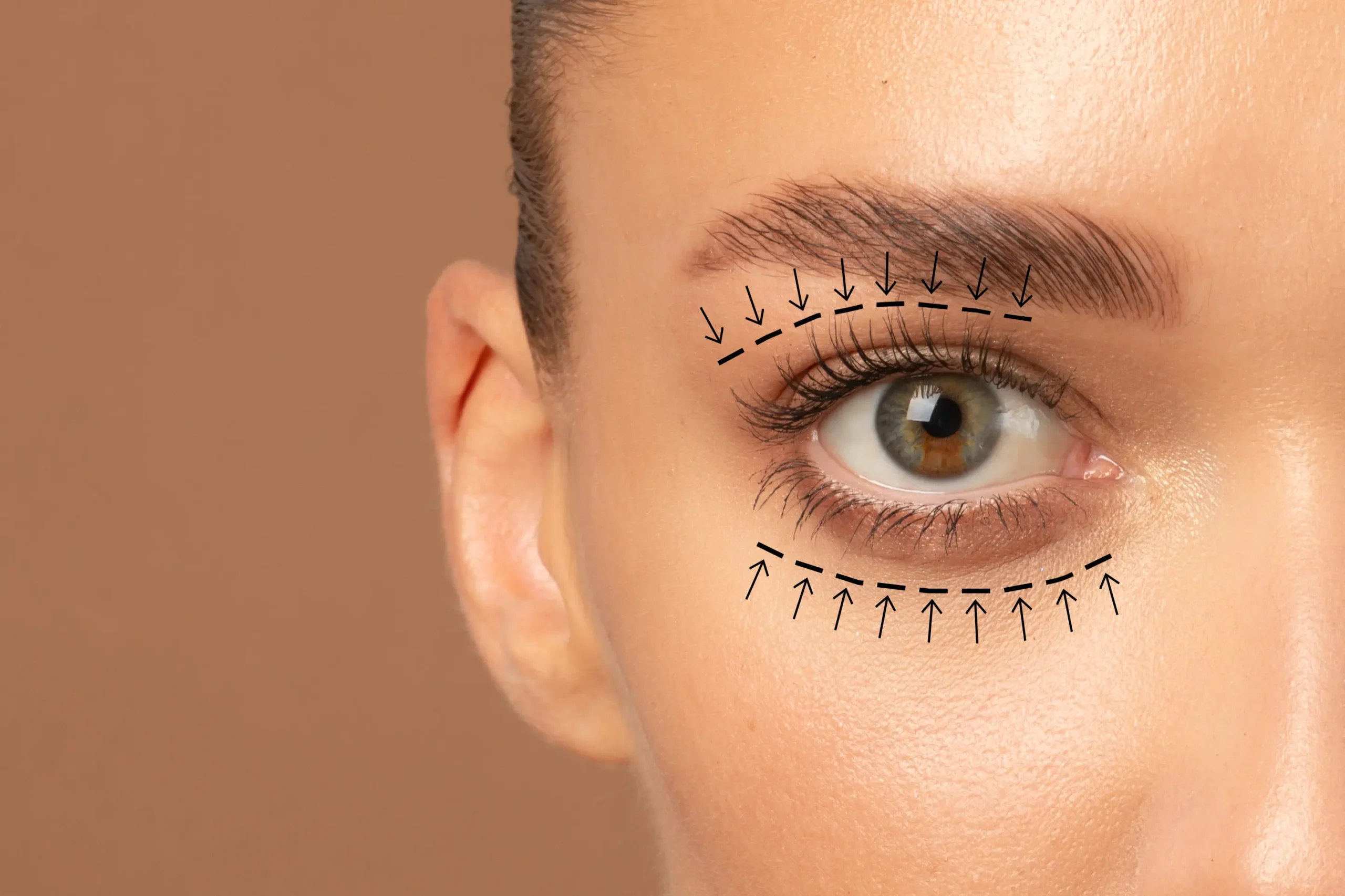
Upper Eyelid Surgery In London is generally performed through carefully positioned incisions in the natural crease of the upper eyelid.
The exact surgical technique depends on the patient’s anatomy and the treatment plan. Once the appropriate anaesthetic has been administered, the surgeon marks and creates the planned incision.
The incision is normally positioned within the natural upper-eyelid fold. This allows the surgeon to access the tissues that need to be addressed while keeping the incision within an existing anatomical crease.
Excess skin can then be carefully removed according to the surgical plan. Where necessary, underlying fatty tissue may also be adjusted to create the intended eyelid contour.
The surgeon works conservatively and precisely because the upper eyelid is a delicate anatomical area. The amount of tissue addressed is determined during the planning stage rather than simply removing as much skin as possible.
Where Is the Incision Made?
One of the important features of upper blepharoplasty is the positioning of the incision.
For many patients, the incision follows the natural crease of the upper eyelid. The surgeon determines its precise location according to the patient’s existing eyelid anatomy.
Once the procedure has been completed, the incision is closed carefully. Because it follows the natural fold of the eyelid, it is positioned within an area that can naturally conceal the surgical line when the eyes are open.
The exact appearance of the incision during healing varies between individuals, and the surgeon can explain the expected healing process during the consultation.
Is Fat Removed During Upper Blepharoplasty?
Not every patient undergoing upper blepharoplasty requires fat removal.
Some individuals have noticeable fullness caused by the position or amount of orbital fat, while others mainly have excess skin. When fatty tissue is relevant to the treatment plan, the surgeon can determine whether it should be removed, repositioned or left untouched.
This is one reason an individual assessment is important. Removing tissue unnecessarily is not the objective of the procedure. Instead, the surgeon considers how the different tissues contribute to the overall shape of the upper eyelid.
How Does the Surgeon Address Eyelid Symmetry?
The two sides of the face are rarely perfectly identical. Small differences in eyelid height, eyebrow position and skin distribution can exist naturally.
During Upper Blepharoplasty in London, these differences are considered when the surgical plan is created. The surgeon may use measurements and clinical observations to determine how each eyelid should be treated.
The objective is to create a balanced appearance while respecting the patient’s natural facial anatomy.
This means the procedure does not necessarily involve removing exactly the same amount of tissue from each eyelid. Instead, the treatment can be adjusted according to the characteristics of each side.
What Happens After the Tissue Has Been Addressed?
After the planned skin and, where appropriate, underlying tissue adjustments have been completed, the surgeon closes the incision.
The closure is performed carefully along the eyelid crease. The surgical team then provides instructions relating to the immediate post-operative period.
Patients can expect the eyelid area to require a period of healing. The clinical team can provide guidance about caring for the treated area and attending follow-up appointments.
Follow-up is an important part of the treatment process because it allows the surgeon or clinical team to monitor healing and assess the developing appearance of the eyelids.
How Long Does Upper Blepharoplasty Take?
The duration of upper blepharoplasty varies according to the surgical plan and whether additional procedures are being performed at the same time.
A straightforward upper-eyelid procedure may take less time than a treatment involving additional tissue adjustment or another facial procedure.
Rather than relying on a standard time for every patient, the surgeon can provide a more accurate estimate after assessing the eyelids and discussing the planned approach during consultation.
What Is Recovery Like After Upper Eyelid Surgery?
Following Upper Eyelid Surgery In London, the eyelids need time to heal. Patients may initially notice changes around the treated area while the normal healing process takes place.
The clinical team will provide specific aftercare instructions. These may include guidance regarding keeping the area clean, using recommended products and temporarily modifying certain everyday activities.
Follow-up appointments allow the surgical team to evaluate progress and answer questions during the healing period.
It is important to remember that the final appearance does not necessarily become apparent immediately after surgery. The tissues continue to settle as healing progresses.
When Can the Results Be Appreciated?
The development of the result is gradual. Immediately following surgery, the eyelids are still undergoing the normal healing process, so the appearance can change over time.
As healing progresses, the upper eyelid contours become more established. The timing varies between individuals depending on factors such as their natural healing process and the extent of surgery performed.
During the consultation at a Blepharoplasty Clinic in London, patients can discuss the expected stages of recovery and when they are likely to see the developing result.
Why Is Individual Treatment Planning Important?
Upper blepharoplasty involves a highly visible and delicate area of the face, so treatment planning is particularly important.
People can have very different eyelid characteristics. One person may have predominantly excess skin, while another may have a combination of skin and underlying tissue contributing to eyelid fullness.
Age, facial structure, eyebrow position and natural eyelid crease formation can also influence the surgical approach.
Consequently, Upper Blepharoplasty in London should be considered an individualised procedure rather than a one-size-fits-all treatment.
Choosing a Blepharoplasty Clinic in London
Selecting an appropriate clinic is an important part of planning eyelid surgery. Patients may wish to consider the experience of the surgical team, the consultation process, the information provided about the procedure and the level of follow-up offered.
At Bodyvie Clinic, patients can discuss their concerns and treatment objectives during an individual consultation. The assessment allows the clinical team to understand the patient’s facial features and determine whether upper blepharoplasty is an appropriate option.
A consultation also provides an opportunity to ask questions about the surgical technique, incision placement, recovery and expected treatment pathway.
Conclusion
Upper Blepharoplasty in London is a carefully planned surgical procedure that focuses on the upper eyelids and may involve removing excess skin and addressing underlying tissue where appropriate. The procedure generally involves an incision placed within the natural upper-eyelid crease, followed by carefully planned tissue adjustment and closure.
The surgical technique is not identical for every patient. Individual eyelid anatomy, facial proportions, skin distribution and the patient’s treatment objectives all contribute to the planning process.
For anyone considering Upper Eyelid Surgery In London, an individual consultation is an important first step. It allows the surgeon to assess the eyelids, explain the proposed approach and outline the treatment and recovery process in greater detail.
FAQs
What is Upper Blepharoplasty in London?
Upper Blepharoplasty in London is a surgical procedure that addresses excess skin and, when appropriate, underlying tissue around the upper eyelids. The technique is planned according to the patient’s individual anatomy.
How is upper blepharoplasty performed?
The procedure typically involves a carefully positioned incision within the natural upper-eyelid crease. The surgeon then addresses the planned excess skin and, where appropriate, underlying tissue before closing the incision.
Where is the incision placed during upper eyelid surgery?
The incision is generally positioned within the natural crease of the upper eyelid. Its exact location depends on the patient’s individual eyelid anatomy and the surgical plan.
Is fat always removed during upper blepharoplasty?
No. Fat removal is not required for every patient. The surgeon assesses the underlying tissue and determines whether removal, repositioning or no treatment is appropriate.
Does upper blepharoplasty use the same technique for everyone?
No. The surgical approach can vary according to eyelid structure, skin distribution, facial proportions, eyebrow position and the patient’s treatment objectives.
How is eyelid symmetry considered during surgery?
The surgeon assesses both eyelids individually because natural facial asymmetry is common. The amount of tissue addressed can therefore be adjusted according to the characteristics of each side.
How long does upper blepharoplasty take?
The procedure time varies depending on the surgical plan and whether other treatments are performed simultaneously. A personalised estimate can be provided during consultation.
When will the appearance of the eyelids settle?
The eyelids continue to heal after surgery, so the appearance develops gradually. The clinical team can explain the expected healing stages and follow-up schedule during the consultation.
What should I discuss during an upper blepharoplasty consultation?
Patients can discuss their aesthetic concerns, desired changes, surgical technique, incision placement, recovery process and the expected treatment pathway with the surgeon.
How can I find a Blepharoplasty Clinic in London?
When considering a Blepharoplasty Clinic in London, patients can review the clinic’s surgical services, consultation process, clinical team and follow-up arrangements before making a decision.