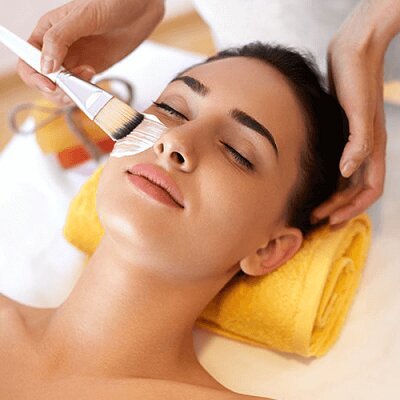
Skin can look dull, uneven, or tired for many reasons, including sun exposure, dehydration, pollution, stress, and the natural buildup of dead skin cells. For people looking for a gentle way to refresh their complexion, an organic peel can be an appealing option. Unlike aggressive resurfacing treatments, many organic peel approaches focus on naturally derived ingredients designed to exfoliate the outermost layer of the skin and support a smoother, brighter appearance.
However, getting good results is not only about choosing the right peel. Timing also matters. A person’s daily routine, upcoming events, sun exposure, exercise habits, skincare products, and recovery time can all influence when an organic peel should be scheduled.
For those considering an Organic Peel in Muscat, planning the treatment around everyday activities can help make the experience more comfortable and practical. Muscat’s warm climate and strong sunlight also make post-treatment sun protection particularly important.
What Is an Organic Peel?
An organic peel is a type of skin exfoliation treatment that generally uses naturally derived acids, enzymes, botanical ingredients, or other plant-based compounds to help remove accumulated dead skin cells. Depending on the formulation and concentration, the treatment may be used to improve the appearance of dullness, rough texture, mild pigmentation, uneven skin tone, and certain types of congestion.
The term “organic” does not automatically mean that every peel is suitable for every skin type. Natural ingredients can still cause irritation or sensitivity, particularly when the skin barrier is already compromised. The strength, formulation, application method, and individual skin condition all matter.
An organic peel may be considered by people who want a refreshed appearance without immediately choosing a more intensive resurfacing procedure. Some individuals experience mild redness, tightness, dryness, or peeling afterward, while others may have little visible downtime.
A professional skin assessment can help determine whether a peel is appropriate and which formulation is most suitable for the person’s skin.
When Is the Best Time to Schedule an Organic Peel?
There is no universal “perfect” time for an organic peel. The ideal timing depends on how the skin normally reacts to exfoliation and what the person has planned afterward.
For someone attending an important event, scheduling the treatment immediately beforehand may not be the best strategy. Even a relatively gentle peel can temporarily cause redness, sensitivity, dryness, or visible flaking. The skin may need several days to settle, depending on the type and strength of the peel.
A useful approach is to schedule the treatment when the following few days are relatively calm. This gives the skin time to recover without being exposed to unnecessary stress.
For example, someone planning an event on Saturday may prefer to have a peel earlier in the week rather than the day before. The exact recovery period can vary, so treatment-specific guidance should always take priority.
People who are trying a peel for the first time may also want to allow additional flexibility. The skin’s response cannot always be predicted perfectly, and first-time treatments may be better planned when there are no major social or professional commitments immediately afterward.
Planning a Peel Around Work and Daily Activities
A busy schedule does not necessarily prevent someone from having an organic peel, but daily activities may need to be adjusted temporarily.
People working indoors may find it easier to schedule treatment during a quieter part of the week. Although indoor work generally involves less direct sun exposure, commuting can still expose the skin to sunlight and heat. Sunscreen and appropriate sun-protective measures remain important.
Those who work outdoors may need to plan more carefully. Prolonged exposure to sunlight, heat, and environmental factors can make recently exfoliated skin more vulnerable to irritation. If outdoor exposure is unavoidable, professional advice should be followed closely regarding sun protection and whether treatment timing should be changed.
Exercise is another consideration. Intense workouts can increase heat and sweating, which may be uncomfortable on freshly treated skin. Depending on the peel, a temporary break from strenuous exercise may be recommended.
Swimming may also need to be postponed for a short period, especially if the skin feels sensitive. Chlorinated or highly treated water can sometimes contribute to dryness or irritation.
The goal is not to completely disrupt a person’s routine but to give the skin a short period in which it can recover comfortably.
Organic Peel and Sun Exposure in Muscat
Sun protection is one of the most important considerations when planning an Organic Peel in Muscat. The region’s sunny climate means that skin can receive significant ultraviolet exposure throughout the year.
After exfoliation, the skin may be more sensitive to environmental exposure. Increased sun exposure can contribute to irritation and may also increase the risk of pigmentation changes in vulnerable individuals.
For this reason, people considering an organic peel should make sun protection part of their routine rather than treating it as an occasional step. A broad-spectrum sunscreen, protective clothing, sunglasses, and shade can all help reduce unnecessary exposure.
Outdoor activities such as beach visits, hiking, sports, or long sightseeing trips may be better scheduled away from the immediate post-treatment period. If someone already has an outdoor-heavy week planned, it may be more practical to postpone the peel until the schedule allows better protection.
This is especially important for people who are prone to pigmentation. Preventing excessive UV exposure can be just as important as the exfoliation treatment itself when maintaining an even-looking complexion.
How to Prepare the Skin Before an Organic Peel
Preparation can influence how comfortably the skin responds to exfoliation. Before treatment, a person should generally avoid experimenting with multiple new skincare products at the same time.
Certain active ingredients, including strong exfoliating acids and retinoid-based products, may increase sensitivity. Whether these products need to be paused depends on the individual treatment and skin type, so professional instructions should be followed rather than making assumptions.
The skin should also be in reasonably good condition. Active irritation, sunburn, significant dryness, or a damaged skin barrier may make exfoliation less appropriate.
A simple routine before treatment can often be helpful. Gentle cleansing, adequate moisturization, and consistent sun protection can support the skin barrier.
It is also useful to disclose relevant skincare and treatment history during a consultation. Recent waxing, laser procedures, other exfoliation treatments, or certain medications may affect whether a peel should be performed at that time.
Preparation is ultimately about reducing avoidable irritation and ensuring that the skin is ready for the selected treatment.
What to Expect After an Organic Peel
Post-treatment experiences can vary considerably. Some people may notice an immediate feeling of smoother skin, while others may experience gradual improvement as dead skin cells shed over the following days.
Mild redness, dryness, tightness, sensitivity, or light peeling can occur depending on the formulation. These effects are not necessarily a sign that a peel is “working better.” More peeling does not automatically mean better results.
After treatment, the skin generally benefits from a simple and gentle skincare routine. Harsh scrubs, unnecessary exfoliation, and irritating active ingredients may be inappropriate during the recovery period. A suitable moisturizer can help maintain comfort and support the skin barrier.
Picking or pulling at peeling skin should also be avoided. Allowing the skin to shed naturally can reduce unnecessary irritation.
Sun protection remains essential. The treated skin should be protected from excessive UV exposure according to the aftercare guidance provided for the specific peel.
If significant swelling, severe burning, blistering, worsening pain, or another unexpected reaction occurs, professional medical advice should be sought promptly.
How Often Can an Organic Peel Be Done?
The ideal frequency depends on the specific peel, its strength, the person’s skin type, and the goal of treatment. Some people may benefit from occasional treatments, while others may follow a structured series recommended by a skincare professional.
Repeating a peel too frequently does not necessarily accelerate improvement. Excessive exfoliation can weaken the skin barrier and lead to dryness, irritation, sensitivity, or worsening discoloration.
A balanced approach is usually more sensible. The skin needs time to recover between treatments, and the schedule should be adjusted according to how it responds.
People with sensitive or reactive skin may need a more conservative approach. Similarly, someone dealing with pigmentation concerns may require a carefully planned treatment strategy rather than frequent exfoliation alone.
A professional assessment can help determine whether repeated peels are appropriate and how they can fit into a broader skincare routine.
Creating a Practical Organic Peel Schedule
Planning an organic peel becomes easier when the entire week is considered rather than focusing only on the appointment itself.
A person can begin by checking the days following treatment. If there is a major event, outdoor activity, vacation, sporting commitment, or long day in the sun, it may be better to choose another date.
The next step is to review the skincare routine. Strong exfoliating products and other potentially irritating ingredients may need to be adjusted around treatment, depending on professional recommendations.
Sun exposure should also be considered carefully. In a sunny environment such as Muscat, selecting a period with fewer unavoidable outdoor activities can make aftercare easier.
Finally, the person should leave room for individual variation. Even when a peel is described as gentle, different people can respond differently. Building some flexibility into the schedule can make the treatment experience less stressful.
The most effective skincare routine is one that can be followed consistently. An organic peel can be one part of that routine, but healthy-looking skin also depends on daily cleansing, moisturization, sun protection, adequate hydration, and appropriate lifestyle habits.
Frequently Asked Questions
1. How long should someone wait before attending an important event after an organic peel?
The ideal waiting period varies according to the peel and individual skin response. Since redness, dryness, or peeling may occur, it is generally sensible to schedule treatment several days before an important event rather than immediately beforehand. A professional can provide more specific timing based on the selected peel.
2. Can an organic peel be done during the summer in Muscat?
It may be possible, but sun exposure requires careful consideration. The skin may be more sensitive after exfoliation, making consistent sun protection particularly important. People with frequent outdoor commitments may find another time more convenient.
3. Can someone exercise after an organic peel?
Intense exercise may temporarily increase heat, sweating, and discomfort. Depending on the peel, the person may be advised to avoid strenuous workouts for a short period. Specific aftercare instructions should be followed.
4. Can skincare products be used after an organic peel?
Gentle skincare is generally preferred immediately after exfoliation. Strong acids, scrubs, retinoid products, or other potentially irritating ingredients may need to be paused temporarily, depending on the treatment. The appropriate routine should be confirmed with the treating professional.
5. How frequently should organic peels be scheduled?
There is no single schedule that suits everyone. Treatment frequency depends on the peel strength, skin type, sensitivity, and desired outcome. Allowing adequate recovery time is important, and more frequent treatment does not necessarily produce faster or better results.
6. Is an organic peel suitable for every skin type?
Not necessarily. Although organic peels can be suitable for many people, individual ingredients and treatment strengths can affect different skin types in different ways. People with sensitive, irritated, sunburned, or compromised skin may require special consideration. A professional assessment can help determine whether the treatment is appropriate.
An organic peel can be a useful addition to a well-planned skincare routine when the treatment and timing are carefully considered. For people exploring an Organic Peel in Muscat, paying attention to sun exposure, work commitments, exercise, skincare products, and upcoming events can make the overall experience more manageable. Rather than focusing solely on the treatment day, a thoughtful schedule gives the skin the time and protection it needs to recover.
Read More About Organic Peel: https://guestpostingforseo.com/organic-peel-for-chest-and-decolletage-skin-care/