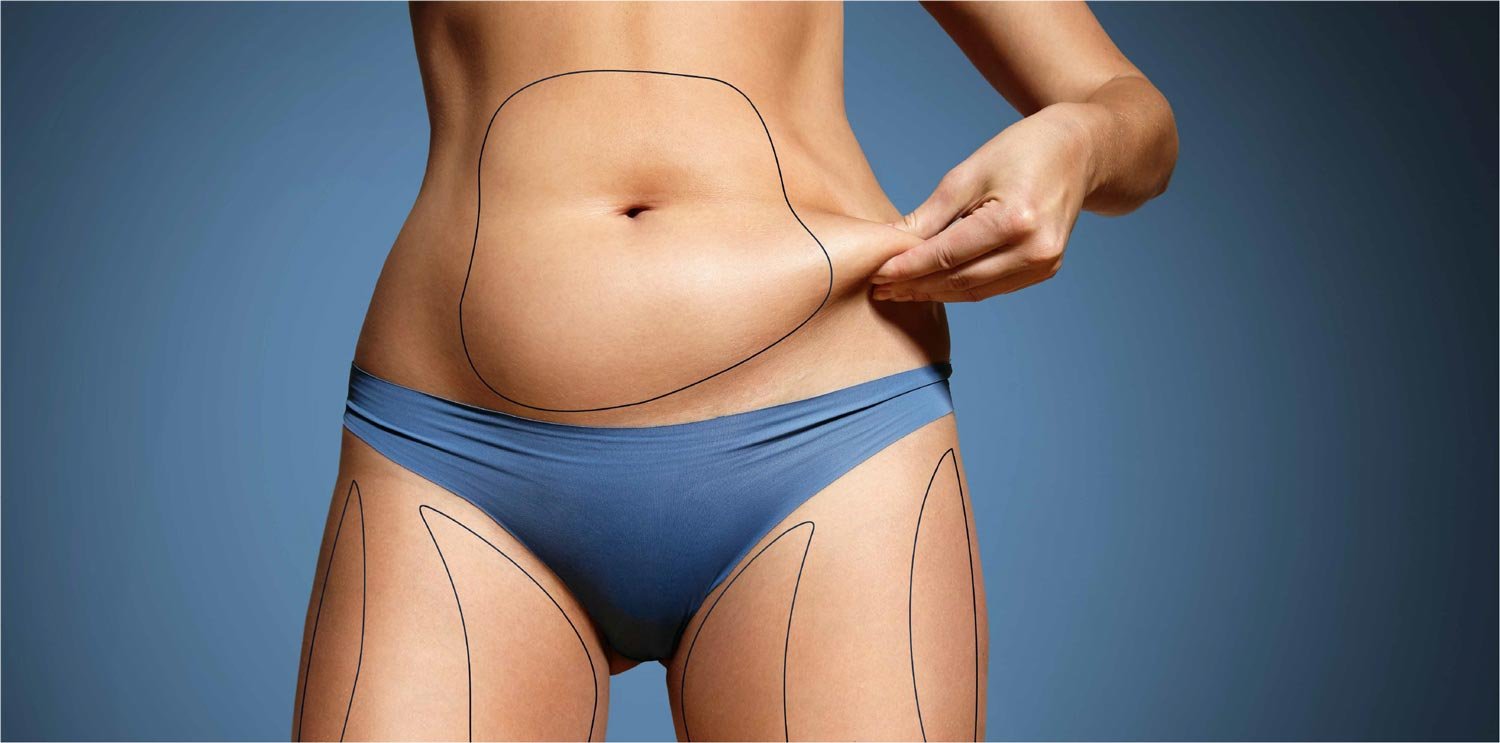
Abdominoplasty, commonly known as a tummy tuck, is a body-contouring procedure designed to address excess abdominal skin and improve the overall shape of the midsection. However, there is no single technique that is suitable for every patient. The choice of approach depends on individual anatomy, the location of excess tissue, skin characteristics, abdominal wall structure, previous surgery, and the patient’s personal goals.
For people researching Abdominoplasty Dubai, understanding how surgeons choose between different techniques can make the consultation process more meaningful. Instead of selecting a procedure based only on its name, the surgeon evaluates the abdomen as a whole and develops a treatment plan according to the patient’s specific needs.
Dr. Shahram Sajjadi is associated with abdominoplasty procedures in Dubai. During a consultation, patients can discuss their concerns, undergo an abdominal assessment, and learn how different factors may influence the recommended surgical approach.
What Is Abdominoplasty?
Abdominoplasty is a surgical procedure focused on reshaping the abdominal area by addressing excess skin and tissue. Depending on the patient’s anatomy and treatment objectives, the procedure may involve different areas of the abdomen and consideration of the underlying abdominal wall.
The extent of treatment varies between patients. Some individuals have a small amount of excess skin concentrated in the lower abdomen, while others have more extensive skin and tissue changes across the entire abdominal region.
This variation is one of the main reasons why individualized planning is important.
Why Is There More Than One Abdominoplasty Technique?
The abdomen can change for many reasons, including pregnancy, significant weight loss, aging, and fluctuations in body size. These changes do not occur in exactly the same way for every person.
One patient may have loose skin below the belly button, while another may have excess skin extending from the upper abdomen toward the lower abdomen. Some patients may also have changes in the abdominal wall.
Because these anatomical differences affect the treatment requirements, surgeons may consider different abdominoplasty approaches.
The Patient’s Main Concern
The first factor influencing the choice of technique is what the patient actually wants to change.
Some people are primarily concerned about loose skin. Others may want to improve the overall abdominal contour or address changes that occurred after pregnancy or significant weight loss.
During consultation, patients can describe their concerns in detail. The surgeon then relates those goals to the physical characteristics of the abdomen.
This discussion helps establish whether a more focused or comprehensive approach may be appropriate.
Location of Excess Abdominal Skin
The location of excess skin is one of the most important factors in technique selection.
If excess skin is mainly concentrated below the belly button, a more limited procedure such as a mini tummy tuck may be considered.
When loose skin extends across both the upper and lower abdomen, a full abdominoplasty may be more appropriate.
The surgeon examines the distribution of the skin rather than relying only on how much excess tissue appears to be present.
Amount of Excess Tissue
The quantity of excess tissue can also influence the treatment approach.
A patient with a relatively small area of localized excess skin may have different requirements from someone with substantial tissue extending across the abdomen.
During examination, the surgeon evaluates the amount and distribution of tissue and considers how these characteristics relate to the patient’s desired outcome.
The objective is to select a technique that corresponds to the actual abdominal anatomy.
Skin Elasticity
Skin elasticity is another important consideration.
The abdominal skin can become stretched following pregnancy, weight fluctuations, or changes associated with aging. Some individuals retain relatively good elasticity, while others have more significant skin laxity.
The surgeon assesses the quality and elasticity of the skin during consultation.
This information can help determine how much skin may need to be addressed and whether a more limited or comprehensive procedure should be considered.
Abdominal Wall Characteristics
The underlying abdominal wall can influence the appearance of the abdomen.
Pregnancy and significant weight changes can affect the abdominal muscles and supporting tissues. During a consultation, the surgeon may evaluate the abdominal wall to understand whether structural characteristics should be incorporated into the treatment plan.
This is important because the visible abdominal contour is influenced by both the skin and the structures beneath it.
The Position of the Belly Button
The belly button is an important anatomical landmark in abdominoplasty planning.
Its current position, shape, and relationship to the surrounding abdominal skin can influence the surgical approach.
A full abdominoplasty generally requires more extensive planning around the belly button because a larger area of abdominal skin is addressed. A more limited procedure may involve a different approach depending on the patient’s anatomy.
The surgeon can explain these considerations during the consultation.
Pregnancy History
Pregnancy is another factor that can influence technique selection.
Pregnancy can stretch the abdominal skin and affect the abdominal wall. Some patients experience localized changes in the lower abdomen, while others experience more widespread changes.
During consultation, the surgeon may ask about previous pregnancies and discuss any changes that occurred afterward.
Patients considering future pregnancy should also mention their plans so that the timing of treatment can be considered appropriately.
Weight Loss and Weight Fluctuations
Significant weight loss is a common reason people consider abdominoplasty.
After major weight reduction, excess skin may remain across different areas of the abdomen. Depending on its location and amount, the patient may require a more comprehensive approach.
Weight fluctuations can also influence skin elasticity and tissue distribution.
The surgeon may therefore review both current weight and weight history during the assessment.
Previous Abdominal Surgery
A history of previous abdominal surgery may influence technique selection and surgical planning.
Existing scars can provide information about previous incisions and changes in the abdominal tissues. Patients should inform the surgeon about any previous abdominal operations.
The surgeon can then consider these factors when evaluating the abdomen and developing the proposed treatment approach.
Overall Body Proportions
The abdomen does not exist independently from the rest of the body.
The relationship between the stomach, waist, hips, chest, and surrounding structures contributes to overall body contour. A surgeon may therefore assess the patient’s proportions from multiple angles.
This broader assessment helps ensure that the planned abdominal changes are considered in relation to the patient’s overall shape.
Full Abdominoplasty
A full abdominoplasty is generally considered when abdominal concerns extend across a larger area.
It can address excess skin and tissue involving both the upper and lower abdomen, depending on the patient’s individual characteristics.
The technique is planned according to the location of excess tissue, skin elasticity, abdominal wall characteristics, belly button position, and overall treatment objectives.
It is not automatically the appropriate option for every patient with abdominal excess.
Mini Abdominoplasty
Mini abdominoplasty, or a mini tummy tuck, is generally focused on the lower abdominal region.
It may be considered when the patient’s main concern is localized below the belly button and the upper abdominal skin does not require extensive treatment.
However, the term “mini” should not be interpreted as a universal solution for smaller abdominal concerns. The surgeon must assess whether the patient’s anatomy is suitable for a limited procedure.
Extended Abdominoplasty
For some patients, excess skin may extend beyond the central abdomen toward the sides of the waist.
In such situations, an extended abdominoplasty may be discussed as an option for addressing a wider area.
The choice depends on the distribution of excess tissue and the patient’s body proportions.
The surgeon evaluates the entire abdominal region before determining whether a more extended technique should be considered.
Combining Abdominoplasty With Other Procedures
Some patients may have concerns involving areas adjacent to the abdomen, such as the waist or other areas of localized tissue.
Depending on the patient’s goals and individual circumstances, the surgeon may discuss whether additional contouring procedures could be considered.
Any combined treatment should be planned carefully and based on the patient’s anatomy, objectives, and overall treatment requirements.
How the Consultation Determines the Technique
The consultation brings together all of the relevant information.
The surgeon may begin by discussing the patient’s concerns and medical history before performing a physical assessment.
The examination may consider:
- Skin elasticity
- Excess skin
- Tissue distribution
- Abdominal wall characteristics
- Belly button position
- Existing scars
- Pregnancy history
- Weight history
- Body proportions
- Aesthetic objectives
Once these factors have been evaluated, the surgeon can explain which technique may be appropriate and why.
The Importance of Personalized Treatment Planning
Personalized planning is central to modern abdominoplasty.
Two patients can have similar complaints but require different surgical approaches because their anatomy is different.
For example, one patient may have localized lower abdominal skin and be considered for a mini procedure, while another may have excess skin across the entire abdomen and require a full approach.
The technique should therefore be selected after assessment rather than before it.
The Role of Surgeon Experience
When researching Abdominoplasty Dubai, patients often consider a surgeon’s experience with different abdominal contouring techniques.
Experience is particularly relevant because abdominoplasty requires assessment of several anatomical features and careful selection of the appropriate approach.
Patients can ask the surgeon about their experience with full, mini, and other forms of abdominoplasty and how they determine which technique corresponds to a patient’s individual needs.
Dr. Shahram Sajjadi and Abdominoplasty Planning
Dr. Shahram Sajjadi is associated with abdominoplasty procedures in Dubai.
During consultation, patients can discuss their abdominal concerns and desired changes. The surgeon can assess factors such as skin quality, excess tissue, abdominal wall characteristics, previous surgery, pregnancy history, and overall body proportions.
This type of evaluation allows the proposed technique to be developed around the patient’s specific anatomy rather than using a standardized approach.
Preparing for Your Consultation
Patients can prepare for an abdominoplasty consultation by identifying the areas they would most like to change.
It is useful to provide information about previous surgeries, pregnancies, weight changes, medications, and relevant medical history.
You can also prepare questions about the different techniques and ask why a particular approach may be suitable for your anatomy.
Reference photographs may help communicate general aesthetic preferences, although the final treatment plan will be based on your individual body structure.
Questions to Ask About Abdominoplasty Technique
During consultation, patients may want to ask:
- Which abdominoplasty technique is appropriate for me?
- Why is this technique recommended?
- Where is my excess skin primarily located?
- How will my skin elasticity affect planning?
- Will my abdominal wall be assessed?
- How will my belly button be considered?
- Would a mini tummy tuck be sufficient?
- Would a full or extended procedure be more appropriate?
- How will previous surgery affect planning?
- What should I expect during recovery?
These questions can help patients understand the reasoning behind the recommended approach.
Why Technique Selection Should Be Individualized
The primary purpose of technique selection is to match the surgical approach with the patient’s actual anatomy.
A procedure that is appropriate for one patient may not be suitable for another. The location of excess skin, abdominal wall characteristics, body proportions, and personal goals can all influence the decision.
An individualized approach therefore helps ensure that the treatment plan is developed specifically for the person rather than selected from a standard list of procedures.
Conclusion
The choice of abdominoplasty technique depends on several individual factors. For people researching Abdominoplasty Dubai, understanding these factors can help them approach consultation with realistic expectations and informed questions.
The surgeon may consider the location and amount of excess skin, skin elasticity, abdominal wall characteristics, belly button position, pregnancy history, weight changes, previous surgery, body proportions, and personal aesthetic goals.
A mini tummy tuck may be considered for localized lower abdominal concerns, while a full or extended approach may be discussed when excess skin involves a broader area. The final decision should be based on an individualized assessment.
For patients considering treatment with Dr. Shahram Sajjadi, a detailed consultation provides an opportunity to understand the available approaches and how the proposed technique may be adapted to their particular anatomy and objectives.
FAQs About Abdominoplasty Dubai
What factors influence the choice of abdominoplasty technique?
Important factors include the location and amount of excess skin, skin elasticity, abdominal wall characteristics, belly button position, pregnancy history, weight changes, previous surgery, body proportions, and aesthetic goals.
What is the difference between a full and mini abdominoplasty?
A full abdominoplasty generally addresses a broader area of the abdomen, while a mini abdominoplasty primarily focuses on the lower abdominal region.
How does skin elasticity affect technique selection?
Skin elasticity helps the surgeon understand the quality and distribution of abdominal skin and whether a more limited or comprehensive treatment approach may be appropriate.
Does pregnancy affect the choice of technique?
Yes. Pregnancy can affect the abdominal skin and underlying structures. The extent and location of these changes can influence the recommended approach.
Can significant weight loss affect abdominoplasty planning?
Yes. Significant weight loss can leave excess skin across different areas of the abdomen. The location and amount of remaining skin help guide technique selection.
Does previous abdominal surgery matter?
Yes. Existing scars and changes from previous surgery may influence the surgical plan. Patients should provide their complete surgical history during consultation.
Why is the belly button considered during abdominoplasty planning?
The belly button is an important anatomical landmark. Its position and relationship to the abdominal skin can influence how the procedure is planned, particularly for broader abdominal treatment.
Can a mini tummy tuck address the entire abdomen?
A mini tummy tuck primarily focuses on the lower abdomen. If excess skin extends significantly into the upper abdomen, a more comprehensive approach may be considered.
What happens during an abdominoplasty consultation?
The surgeon discusses your goals and medical history, examines the abdominal area, evaluates skin and tissue characteristics, considers the abdominal wall and body proportions, and explains which treatment approach may be appropriate.
How should I prepare for an abdominoplasty consultation?
Prepare information about previous surgery, pregnancies, weight changes, medications, and relevant medical history. You should also identify the specific abdominal areas you would like to address and prepare questions for the surgeon.
What should I ask about the recommended technique?
Ask why the technique is appropriate for your anatomy, which areas will be treated, how your skin and abdominal wall will be assessed, how the belly button will be considered, and whether alternative approaches may be suitable.
What role does Dr. Shahram Sajjadi have in Abdominoplasty Dubai?
Dr. Shahram Sajjadi is associated with abdominoplasty procedures in Dubai. During consultation, patients can discuss their individual concerns and undergo an assessment to understand which treatment approach may be appropriate for their anatomy.