Shoulder pain is one of those problems people often try to ignore. At first, it may feel like a small strain from sleeping wrong, lifting something heavy, or doing extra work around the house. But when the pain keeps coming back, affects sleep, or makes it hard to lift your arm, it may be time to see a shoulder pain doctor metro detroit patients can trust for proper evaluation and care.
The shoulder is a complex joint with muscles, tendons, ligaments, cartilage, and bones all working together. Pain can come from many causes, including rotator cuff irritation, bursitis, arthritis, frozen shoulder, tendon strain, or injury. The right diagnosis helps patients avoid guessing and choose treatment that matches the real problem.
When Metro Detroit, Michigan Patients Should Take Shoulder Pain Seriously
In Metro Detroit, shoulder pain can affect people with very different routines. Some patients work in jobs that involve lifting, pushing, pulling, or reaching overhead. Others develop shoulder pain from sports, gym workouts, driving, desk posture, or household tasks.
For example, a 45-year-old patient may feel shoulder pain after moving furniture over the weekend. At first, the pain feels like soreness. A few days later, reaching overhead becomes difficult, and the shoulder starts aching at night. This could be a simple strain, but it could also involve the rotator cuff, bursa, tendon inflammation, or joint irritation.
At Detroit Ortho Doc, Dr. Matthew J Yousif, DO provides orthopedic care for patients dealing with shoulder pain, stiffness, injuries, and limited movement.
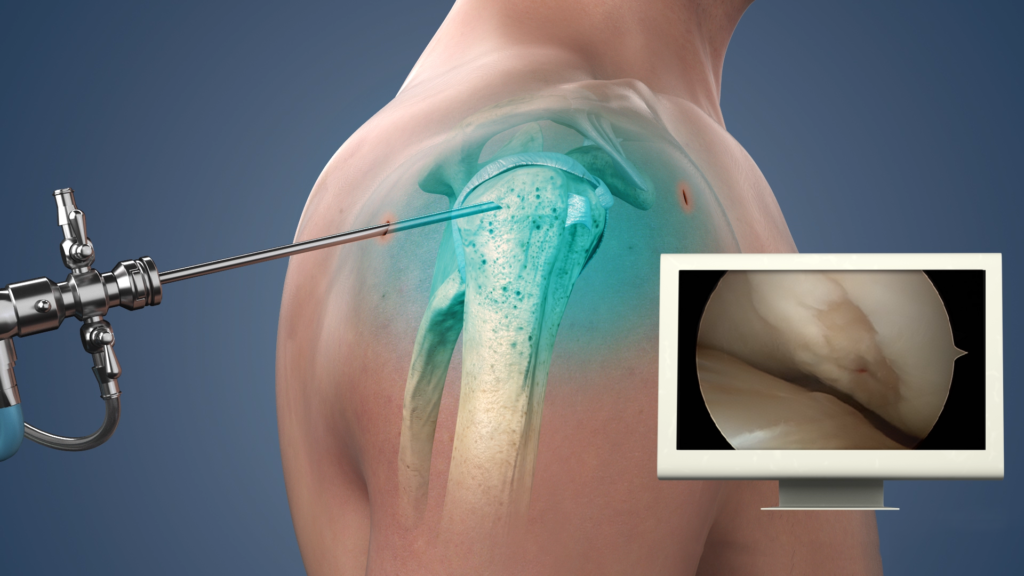
You should consider seeing a doctor if you notice:
- Shoulder pain lasting more than two to three weeks
- Pain that wakes you at night
- Weakness when lifting the arm
- Trouble reaching overhead
- Pain after a fall or injury
- Shoulder stiffness that keeps getting worse
- Clicking, catching, or instability
- Pain that spreads toward the neck or arm
These symptoms do not always mean surgery is needed. They simply mean the shoulder should be checked before the problem becomes harder to treat.
Common Shoulder Pain Causes and Treatment Options
Shoulder pain treatment depends on the cause. Two patients can have similar pain but completely different conditions. That is why a proper exam is important.
Common causes of shoulder pain include:
- Rotator cuff tendinitis
- Rotator cuff tear
- Shoulder bursitis
- Shoulder impingement
- Frozen shoulder
- Shoulder arthritis
- Labral injury
- AC joint irritation
- Muscle strain
- Shoulder instability
A shoulder specialist may check your range of motion, strength, tenderness, posture, shoulder blade movement, and neck motion. Imaging such as X-rays or MRI may be recommended if the symptoms suggest arthritis, tendon damage, or injury.
Treatment often begins with non-surgical care when appropriate. This may include:
- Physical therapy
- Activity modification
- Anti-inflammatory guidance
- Home exercises
- Posture correction
- Injections for selected conditions
- Rest from painful overhead activity
Physical therapy is often a major part of shoulder recovery. It may help improve flexibility, strengthen the rotator cuff, restore shoulder blade control, and reduce painful movement patterns.
Some conditions need more advanced care. A serious rotator cuff tear, repeated dislocation, severe arthritis, or long-term stiffness may require a more detailed orthopedic plan. The best treatment depends on the diagnosis, pain level, lifestyle, and daily movement needs.
Mistakes People Make Before Seeing a Shoulder Doctor
Many patients try to manage shoulder pain on their own for too long. While mild soreness can improve with rest, ongoing pain should not be ignored.
One common mistake is pushing through pain during workouts or work tasks. If lifting, throwing, or reaching overhead causes sharp pain, continuing the same activity may make symptoms worse.
Another mistake is resting the shoulder completely for too long. Short rest can help calm irritation, but too much rest may lead to stiffness and weakness. Safe movement is often important for recovery.
A third mistake is assuming all shoulder pain is a rotator cuff tear. Rotator cuff injuries are common, but shoulder pain may also come from frozen shoulder, arthritis, bursitis, neck issues, or tendon inflammation.
Before seeing a specialist, patients can prepare by writing down:
- When the pain started
- Whether it followed an injury
- Which movements make pain worse
- Whether pain affects sleep
- Any weakness or stiffness
- Work or sports activities that use the shoulder
- Treatments already tried
Clear details help the doctor understand the pattern. Instead of saying, “My shoulder hurts,” say, “It hurts when I reach overhead, feels weak when lifting, and wakes me up at night.” That gives a much better picture.
Long-Term Care With a shoulder pain doctor metro detroit
The future of shoulder treatment is moving toward more personalized care. Patients do not only want pain relief. They want to return to normal life, whether that means lifting at work, playing sports, sleeping comfortably, driving, or reaching overhead without fear.
A patient with frozen shoulder may need gradual stretching and time. A patient with rotator cuff irritation may need strengthening and movement correction. A patient with arthritis may need long-term joint care. A patient with a sports injury may need a return-to-activity plan.
Modern shoulder care also focuses more on prevention. This may include improving posture, strengthening the upper back, avoiding sudden overload, and learning safer lifting habits. Small changes can reduce repeated irritation and help protect the shoulder over time.
The best results often happen when patients stay involved in their recovery. That means following therapy guidance, asking questions, avoiding painful habits, and reporting changes in symptoms early.
FAQs About Shoulder Pain Treatment in Metro Detroit
When should I see a doctor for shoulder pain?
You should see a doctor if pain lasts more than a few weeks, affects sleep, causes weakness, limits movement, or starts after an injury.
Can shoulder pain be treated without surgery?
Yes. Many shoulder problems improve with therapy, activity changes, injections, medication guidance, and strengthening exercises.
Why does my shoulder hurt at night?
Night pain may happen with rotator cuff irritation, bursitis, arthritis, inflammation, or certain sleeping positions. If it continues, it should be evaluated.
What causes shoulder stiffness?
Shoulder stiffness may come from frozen shoulder, arthritis, injury, inflammation, or lack of movement after pain begins.
Should I stop using my shoulder completely?
Not always. Short rest may help, but complete rest for too long can cause stiffness. A doctor can guide safe movement based on the diagnosis.
Conclusion
Shoulder pain should not be ignored when it affects sleep, strength, work, or daily movement. The right evaluation can help identify the cause and create a treatment plan that fits your life. A trusted shoulder pain doctor metro detroit patients rely on can guide care for injuries, stiffness, arthritis, and long-term shoulder comfort.C