Michigan has developed into an important cannabis market, offering consumers a broad selection of flower, pre-rolls, concentrates, edibles, and other product formats. With so many options available, understanding product trends can be useful for both consumers and cannabis retailers.
Lists of top-selling cannabis strains can provide an interesting snapshot of what products are attracting attention in a particular market. For dispensaries, this type of information can also inspire better menu organization and merchandising decisions.
Rather than treating a popular product list as a universal recommendation, retailers can use it as a starting point for understanding customer preferences and improving the way products are presented.
Why Cannabis Strain Trends Matter
Cannabis menus can become extensive, especially at larger dispensaries.
A single store may carry numerous flower products from different brands, cultivars, potency ranges, and price points. When customers are presented with too many choices at once, a well-organized menu can make the browsing process easier.
Sales trends can help retailers identify products that deserve additional visibility.
For example, a store might create a “Popular Products” section featuring items that have performed well according to its own sales data.
Michigan Offers a Diverse Product Landscape
Michigan’s cannabis market includes products from numerous cultivators and brands.
Flower remains an important category, and consumers can encounter many different strain names and product characteristics while browsing dispensary menus.
Some products may appeal to customers because of their familiar strain names, while others may stand out because of their brand, price, cannabinoid information, aroma, flavor profile, or product format.
This variety gives dispensaries many opportunities to organize their menus around the information customers find most useful.
Looking Beyond the Strain Name
A strain name is only one piece of product information.
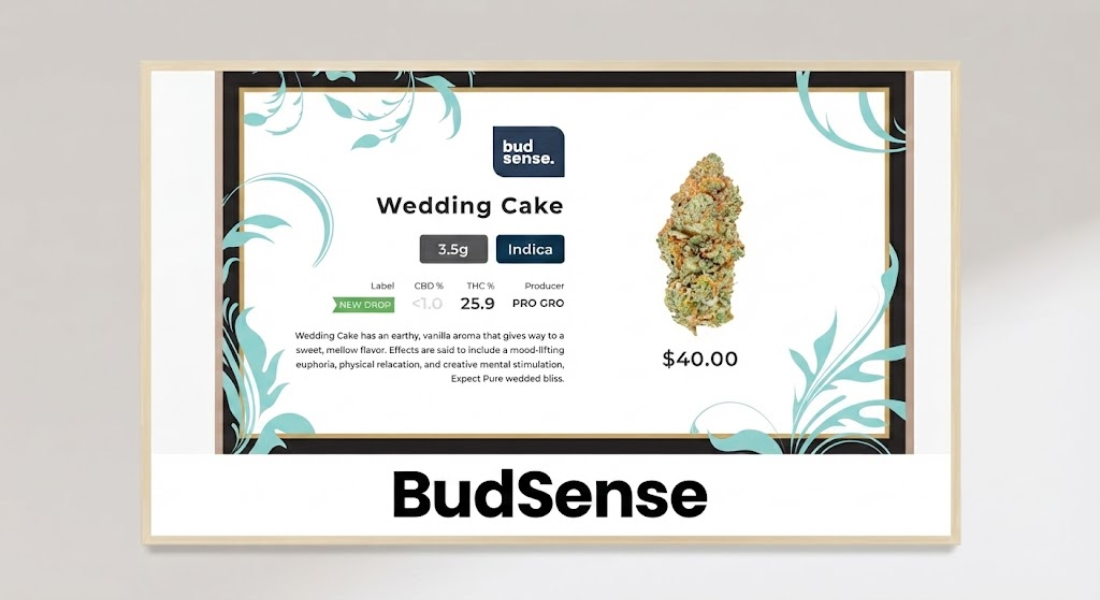
When organizing cannabis flower on a menu, retailers can consider displaying relevant details such as:
- Brand
- Strain or cultivar name
- Product type
- THC information
- CBD information
- Available size
- Price
- Flavor notes
- Terpene information, where applicable
Presenting these details in a consistent format makes it easier for customers to compare products.
Popularity Does Not Mean the Same Thing Everywhere
One important point for cannabis retailers is that a product’s popularity can vary by location.
A product that sells particularly well in one Michigan dispensary may perform differently at another location.
Customer demographics, inventory, pricing, competition, local preferences, and product availability can all influence sales.
For this reason, retailers should consider their own store-level information alongside broader market trends.
Use Sales Information to Improve Menu Organization
Sales data can be useful when deciding which products deserve more prominent placement.
For instance, a dispensary could divide its flower menu into sections such as:
Featured Flower
A section for selected products that the retailer wants customers to notice quickly.
New Arrivals
A dedicated area for recently added products.
Customer Favorites
Products that have performed consistently well based on the store’s own sales information.
Complete Flower Selection
The full assortment for customers who prefer to browse everything available.
This type of organization allows different shoppers to navigate the same menu according to their needs.
Create a Clear Visual Hierarchy
Menu design is not just about listing information. It is also about deciding what customers see first.
A popular product can be given greater visual prominence through positioning, spacing, or a featured section.
However, retailers should avoid making the menu so visually complicated that customers struggle to find basic information.
A simple hierarchy can make a significant difference:
Category → Brand → Product → Key Information → Price
This structure gives customers a predictable way to scan the menu.
Keep Product Information Current
Cannabis inventory can change frequently.
A product that appears on a best-selling list may not always be available at an individual dispensary. Similarly, product details can change between batches or inventory deliveries.
Retail teams should therefore review their menus regularly.
Important information to monitor includes:
- Inventory status
- Pricing
- Product names
- THC and CBD information
- Product size
- Featured items
- Promotional content
An updated menu provides a more accurate representation of what the store currently offers.
Digital Menus Make Merchandising More Flexible
Traditional printed menus can be useful, but they may require manual updates whenever product information changes.
Digital menus provide retailers with more flexibility for updating and rearranging content.
A dispensary can adjust its menu based on current inventory, seasonal campaigns, featured products, or changes in merchandising strategy.
This can be particularly helpful for retailers that carry a large assortment of flower products.
Use Trends as Inspiration, Not a Rulebook
Market rankings can be interesting, but retailers should not assume that copying another market’s best sellers will automatically produce the same results.
Instead, use broader trends as inspiration.
A Michigan retailer could look at popular products and ask:
- What product categories are performing well?
- Are customers showing preferences for certain formats?
- Which brands appear frequently?
- Are certain flavor profiles becoming more visible?
- Which products generate repeat purchases?
These questions can produce more actionable insights than simply copying a list.
How Retailers Can Present Popular Flower
A retailer could use several merchandising approaches.
One option is a dedicated featured section at the beginning of a digital flower menu.
Another approach is to organize products by type and use visual badges or labels to identify selected products.
A third option is to create rotating marketing displays that highlight specific products while keeping the complete menu available on other screens.
The best approach depends on the store’s physical layout and merchandising goals.
Multi-Location Retailers Need Additional Flexibility
Managing product menus across multiple dispensaries can be challenging.
A brand may want consistent colors, typography, and general menu structure across all locations while still showing location-specific inventory.
A centralized menu management approach can help retailers maintain brand consistency while adapting individual menus to each store.
This can make it easier to scale a merchandising strategy as the business grows.
Conclusion
Studying top-selling cannabis strains can give cannabis retailers useful insight into broader product trends. However, the most effective merchandising strategy combines market information with each store’s own inventory and customer behavior.
Clear categories, accurate product details, logical menu layouts, and flexible digital displays can all contribute to a better retail experience.
For retailers looking to explore digital menu and cannabis merchandising solutions, BudSense provides tools designed to help cannabis businesses present their products across different menu formats.
FAQs
1. What are top-selling cannabis strains?
They are cannabis strains or products that rank highly according to sales data within a particular market, retailer, or reporting period.
2. Are popular cannabis strains the same in every state?
No. Product preferences can vary significantly based on local customers, availability, pricing, and market conditions.
3. Why should dispensaries track popular products?
Tracking sales can help retailers understand customer purchasing patterns and make more informed merchandising decisions.
4. What information should appear on a cannabis flower menu?
Depending on the menu and applicable requirements, retailers may include brand, strain name, product size, price, THC, CBD, and other relevant product attributes.
5. Can digital menus help display popular products?
Yes. Digital menus can provide dedicated sections or layouts for featured and popular products while maintaining access to the complete selection.
6. Should retailers copy products from another market’s best-selling list?
Not necessarily. Broader market trends are best used as reference points, while store-specific sales and inventory should guide final merchandising decisions.