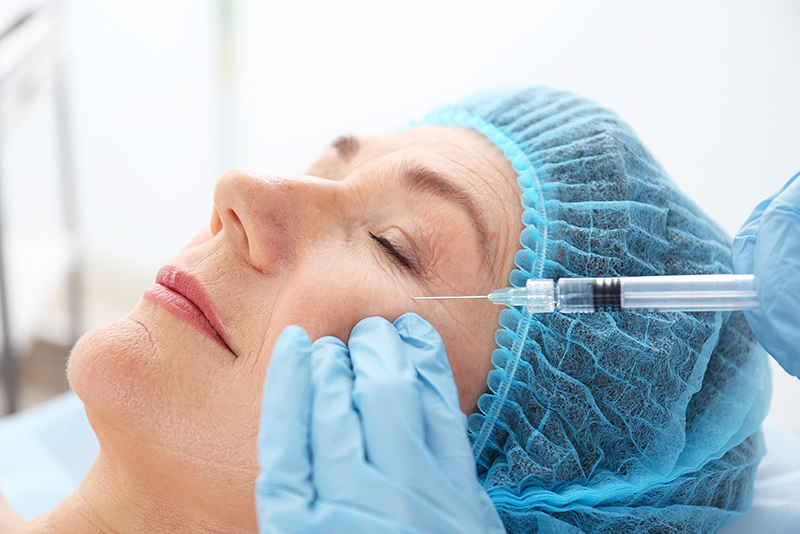
Choosing an aesthetic treatment is easier when you understand which skin concerns it is designed to address. HIFU, or High-Intensity Focused Ultrasound, has gained attention as a non-surgical approach for improving skin firmness and facial definition. For those exploring HIFU Treatment in Abu Dhabi, the treatment uses focused ultrasound energy to reach selected tissue depths beneath the skin and encourage collagen remodeling. This makes it particularly relevant to concerns related to skin laxity, reduced firmness, and changes in facial contours, although suitability depends on the individual’s skin condition and aesthetic goals.
Understanding What HIFU Treatment Does
HIFU is an energy-based treatment that delivers concentrated ultrasound energy to targeted layers beneath the skin. The controlled energy is intended to stimulate a natural tissue-remodeling response, including processes associated with collagen production and reorganization.
Collagen is an essential structural protein that helps maintain the skin’s firmness and elasticity. As collagen changes naturally with age, facial skin may gradually become less taut, and features such as the jawline and cheeks can appear softer. HIFU is designed to address this type of concern by working beneath the skin rather than focusing primarily on the outer surface.
Research has found that focused ultrasound can improve the appearance of facial skin tightening, particularly in areas affected by mild to moderate laxity. This makes understanding the cause of a particular skin concern especially important when considering whether HIFU is suitable.
Is HIFU Suitable for Skin Laxity?
Skin laxity is one of the concerns most closely associated with HIFU. Reduced elasticity can cause the cheeks, jawline, chin, and neck to appear less firm or defined. These changes may develop gradually with age as the skin’s supporting structures change.
HIFU may be appropriate for people who are beginning to notice mild or moderate laxity and want to improve the appearance of firmness without undergoing a surgical procedure. The treatment can target selected tissue depths to support collagen remodeling, potentially creating a tighter and more structured appearance over time.
The degree of laxity matters, however. HIFU is generally more relevant when the primary concern involves moderate changes in firmness rather than extensive structural sagging.
Can HIFU Help Improve a Less Defined Jawline?
The jawline is strongly influenced by the firmness of the surrounding skin and soft tissue. When elasticity decreases, the transition between the lower face, chin, and neck can become less distinct.
HIFU may help improve the appearance of jawline definition by supporting firmer-looking tissue around the lower face. As collagen remodeling progresses, the existing facial contours may appear more structured.
HIFU does not alter the underlying shape of the jawbone. Its potential benefit comes from improving the appearance of the soft tissues surrounding the facial structure. This distinction is important for anyone considering HIFU specifically for facial contouring.
Can HIFU Address a Double Chin?
A double chin can have several contributing factors, including localized fullness beneath the chin, skin laxity, facial anatomy, and natural changes associated with aging. HIFU may be considered when reduced skin firmness or certain types of submental fullness contribute to the appearance.
By targeting selected tissue layers beneath the chin, HIFU may support collagen remodeling and create a firmer-looking submental area. Some focused ultrasound approaches are also designed to address localized tissue in the submental region.
However, not every double chin has the same underlying cause. Someone whose concern is primarily loose skin may have different treatment considerations from someone whose concern is mainly related to localized fullness. Understanding the source of the concern is therefore essential when assessing HIFU suitability.
Is HIFU Suitable for Fine Lines and Wrinkles?
HIFU is primarily associated with skin tightening and collagen remodeling, but improving skin firmness can also influence the appearance of certain age-related facial changes. When the skin becomes more supported, some fine lines may appear less prominent.
However, HIFU should not be viewed as a universal treatment for every type of wrinkle. Fine lines can develop for different reasons, including repeated facial movement, changes in skin structure, and environmental factors.
Its strongest relevance is generally to concerns involving reduced firmness and mild laxity. If wrinkles are the primary concern without noticeable loss of firmness, another approach may be more appropriate.
Can HIFU Improve Facial Contours?
Facial contours are influenced by skin elasticity, soft tissue distribution, and underlying facial anatomy. With age, reduced firmness can make the cheeks, jawline, and chin appear less defined.
HIFU may support facial contour improvement by encouraging collagen remodeling in carefully selected areas. This can help create a firmer-looking lower face and enhance the appearance of existing facial contours.
The goal is usually subtle refinement rather than a dramatic transformation. A personalized approach can focus on areas where laxity is affecting facial definition while maintaining the person’s natural proportions.
Is HIFU Appropriate for Different Skin Types?
HIFU may be considered across a broad range of facial skin types because its energy is delivered beneath the skin rather than primarily targeting surface pigmentation. However, skin type alone does not determine suitability.
Sensitive, dry, oily, combination, and different pigmentation levels can all present different considerations. The current condition of the skin is particularly important. Skin that is stable and healthy may be evaluated differently from skin that is currently compromised or unusually reactive.
The treatment approach should also account for facial anatomy and tissue thickness. Different areas of the face may require different treatment depths, making individual assessment an important part of planning.
Can HIFU Help With Skin Firmness on the Neck?
The neck is another area where reduced elasticity can become noticeable. Changes in collagen and skin structure may make the neck appear less firm and reduce the visual distinction between the jawline and neck.
HIFU may be considered for selected neck areas when skin laxity is the primary concern. By encouraging collagen remodeling within targeted tissue, the treatment may help create a firmer-looking appearance.
Because the neck has different anatomical characteristics from the face, treatment planning should be tailored specifically to the area rather than simply applying the same approach used for facial skin.
When Might HIFU Not Be the Right Choice?
HIFU is not designed to address every possible skin concern. It is most closely associated with improving firmness, tightening the appearance of mildly to moderately lax skin, and supporting facial definition.
If a person’s primary concern is unrelated to skin laxity, HIFU may not provide the desired type of improvement. Similarly, extensive changes in facial structure or advanced skin laxity may require consideration of other treatment approaches.
A proper assessment can help distinguish between concerns that HIFU may address and those that may require a different strategy. This is particularly important for maintaining realistic expectations.
What Determines Whether HIFU Is Suitable?
Suitability depends on more than simply identifying a skin concern. Age, skin elasticity, facial anatomy, degree of laxity, treatment area, and individual aesthetic goals can all influence whether HIFU is appropriate.
The condition of the skin should also be considered. A personalized evaluation allows the treatment approach to be matched to the person’s specific characteristics rather than relying on a standard treatment plan.
Understanding what HIFU can realistically accomplish is equally important. The treatment is intended to support gradual improvements in firmness and definition rather than completely transform facial anatomy.
Final Thoughts on HIFU and Your Skin Concerns
HIFU can be a suitable option for certain concerns related to facial skin laxity, reduced firmness, softer jawline definition, submental fullness, and age-related changes in facial contours. Its focused ultrasound energy is designed to stimulate collagen remodeling at selected tissue depths, allowing improvements to develop progressively.
However, suitability varies from person to person. The underlying cause of the concern, current skin condition, degree of laxity, facial anatomy, and desired outcome should all be considered before treatment.
For individuals seeking a non-surgical approach to improving facial firmness and definition, HIFU may offer a targeted solution when their concerns align with what the treatment is designed to address. A personalized assessment and realistic expectations remain central to deciding whether it is the right choice.
FAQs
Is HIFU suitable for everyone?
No. HIFU is not appropriate for every individual or every skin concern. Suitability depends on factors such as skin condition, degree of laxity, facial anatomy, and the person’s specific aesthetic goals.
What skin concerns can HIFU help address?
HIFU is primarily associated with concerns involving reduced firmness and mild to moderate skin laxity. It may also help improve the appearance of jawline definition, facial contours, and the area beneath the chin.
Can HIFU help with loose facial skin?
Yes. HIFU is specifically designed to support collagen remodeling and improve the appearance of skin firmness, making it relevant to mild and moderate facial laxity.
Can HIFU improve a double chin?
HIFU may help improve the appearance of a double chin when skin laxity or certain types of localized fullness beneath the chin contribute to the concern. Individual suitability depends on the underlying cause.
How do I know if HIFU is right for my skin concerns?
The best way to determine suitability is through an individualized assessment of the skin, facial structure, degree of laxity, treatment area, and desired result. HIFU is most relevant when the primary concern involves skin firmness and facial definition.