Medical billing is an important part of the healthcare industry. Medical billers help healthcare providers manage patient information, submit insurance claims, track payments, and reduce billing errors. As the demand for trained medical billing professionals continues to grow, many people are choosing courses to build the right skills.
Before joining a program, students often face one important question: should they choose an online or offline medical billing course?
Both learning methods can help you understand medical billing, coding basics, insurance processes, and healthcare records. However, they offer different learning experiences. The right choice depends on your schedule, budget, learning style, career goals, and access to training facilities.
This guide will compare online and offline medical billing courses to help you make a smart decision.
What Is a Medical Billing Course?
If you think one question in your mind of in Detailed What is medical billing Course teaches students how to manage the financial side of healthcare services. The course usually covers topics such as patient registration, insurance verification, claim submission, payment posting, billing software, and handling denied claims.
Some programs may also introduce medical coding, healthcare laws, privacy rules, and basic medical terms. These skills can help students prepare for entry-level roles in hospitals, clinics, physician offices, insurance companies, and medical billing service providers.
Online Medical Billing Course
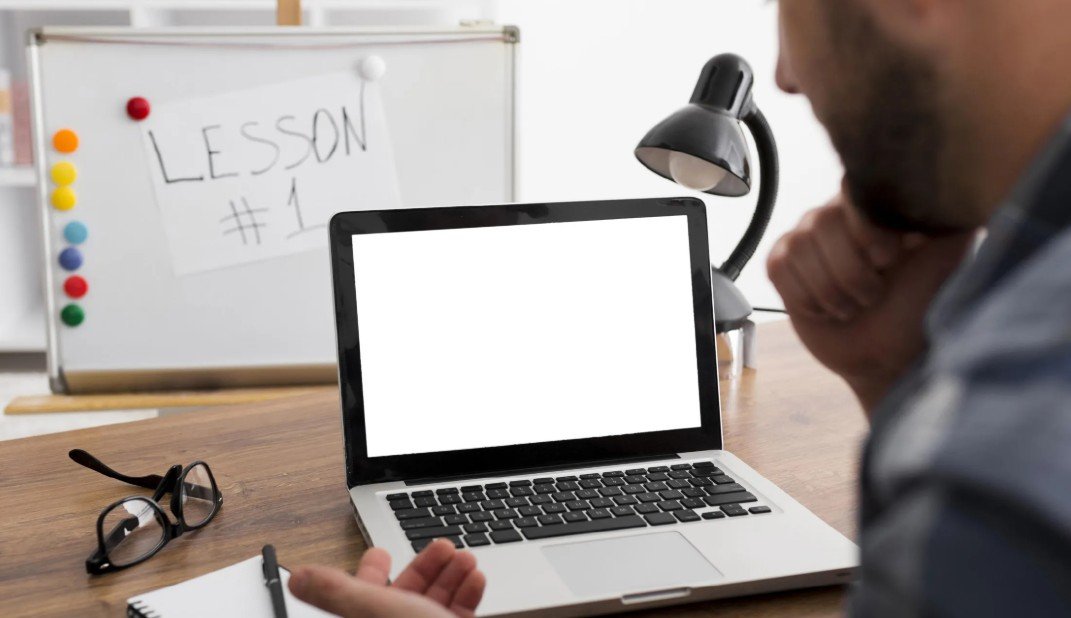
An online medical billing course allows students to study through digital platforms. Lessons may include video classes, recorded lectures, online tests, downloadable notes, live sessions, and practical assignments.
Advantages of Online Learning
The biggest advantage of online learning is flexibility. Students can attend classes from home and study at a time that fits their daily routine. This is helpful for working professionals, parents, college students, and people who live far from training centers.
Online courses are also often more affordable than classroom programs. Students may save money on travel, accommodation, printed materials, and other daily expenses. Many online programs also allow learners to study at their own speed.
Another benefit is easy access to digital resources. Students can watch recorded lessons more than once, review difficult topics, and learn from updated study materials. Some courses also offer online discussion groups where students can ask questions and communicate with teachers or other learners.
Online learning can also improve computer skills. Since medical billing work requires the use of billing software, electronic health records, email, and online insurance portals, regular digital practice can be useful.
Disadvantages of Online Learning
Online learning requires self-discipline. Without a fixed classroom schedule, some students may delay lessons or lose motivation. Students must create a study routine and complete assignments on time.
There may also be limited face-to-face communication with instructors. Although many programs offer live classes and support, some learners may still prefer direct personal interaction.
Technical problems can also affect the learning experience. A weak internet connection, outdated computer, or software issue may make it difficult to attend classes or complete assignments.
Online students should also carefully check the quality of the course. Not every online program offers experienced instructors, practical training, career guidance, or recognized certificates.
Offline Medical Billing Course
An offline medical billing course, also known as a classroom-based course, requires students to attend lessons at a training center, college, or educational institution. Classes are usually held at fixed times and follow a planned schedule.
Advantages of Offline Learning
The main benefit of offline learning is direct interaction. Students can speak with instructors in person, ask questions immediately, and receive guidance during practical activities. This can make complex topics easier to understand.
Classroom learning also provides a structured environment. Students follow a regular timetable, attend lessons, complete assignments, and participate in group activities. This structure can help learners stay focused and avoid distractions.
Another advantage is networking. Students can meet classmates, instructors, and professionals who may provide useful advice or future career connections. Some training centers may also organize workshops, practice sessions, or job placement support.
Offline courses can be especially helpful for beginners who are not comfortable with online learning. Students who prefer demonstrations, classroom discussions, and hands-on support may feel more confident in a traditional learning environment.
Disadvantages of Offline Learning
Offline courses usually have less flexibility. Students must travel to the training center and attend classes at specific times. This can be difficult for people with full-time jobs, family responsibilities, or long travel distances.
Classroom programs may also cost more because of transportation, course fees, printed materials, and other expenses. If a student misses a class, it may not always be easy to repeat the lesson unless the institute provides recorded sessions.
The quality of an offline course depends on the training center and its instructors. A physical classroom does not automatically guarantee high-quality education. Students should check the course syllabus, trainer experience, practical sessions, reviews, and certificate details before enrolling.
Online vs Offline Medical Billing Course: Key Differences
| Factor | Online Course | Offline Course |
|---|---|---|
| Flexibility | High flexibility | Fixed schedule |
| Location | Can study from anywhere | Must attend a training center |
| Cost | Often more affordable | May include travel and other expenses |
| Instructor Support | Online support and live sessions | Direct face-to-face support |
| Learning Style | Best for independent learners | Best for students who prefer classroom learning |
| Networking | Online groups and forums | Direct interaction with classmates |
| Practical Training | Digital assignments and software practice | Classroom demonstrations and activities |
| Time Management | Requires self-discipline | Provides a structured routine |
Which Learning Method Is Better?
There is no single answer because the better option depends on your personal needs.
An Excellent medical billing course may be better if you need flexible study hours, want to reduce expenses, or live far from a training center. It can also be a good choice if you are comfortable using computers and can study independently.
An offline medical billing course may be better if you prefer face-to-face instruction, need a fixed schedule, or want more direct classroom support. It may also suit students who learn better through group discussions and practical demonstrations.
Before selecting a course, check whether it includes important subjects such as insurance billing, claim processing, medical terminology, billing software, compliance rules, and denial management. You should also look for practical assignments and career support.
Final Thoughts
Both online and offline medical billing courses can help you prepare for a career in healthcare administration. Online programs offer flexibility, convenience, and lower costs, while offline programs provide personal guidance, structure, and direct interaction.
The best course is not simply the one with the lowest fee or shortest duration. It should match your learning style, career plans, available time, and budget. Always research the institute, read student reviews, compare the syllabus, and confirm whether the course provides practical training.
With the right education and consistent practice, a medical billing course can help you develop valuable skills and take the first step toward a stable career in the healthcare industry.