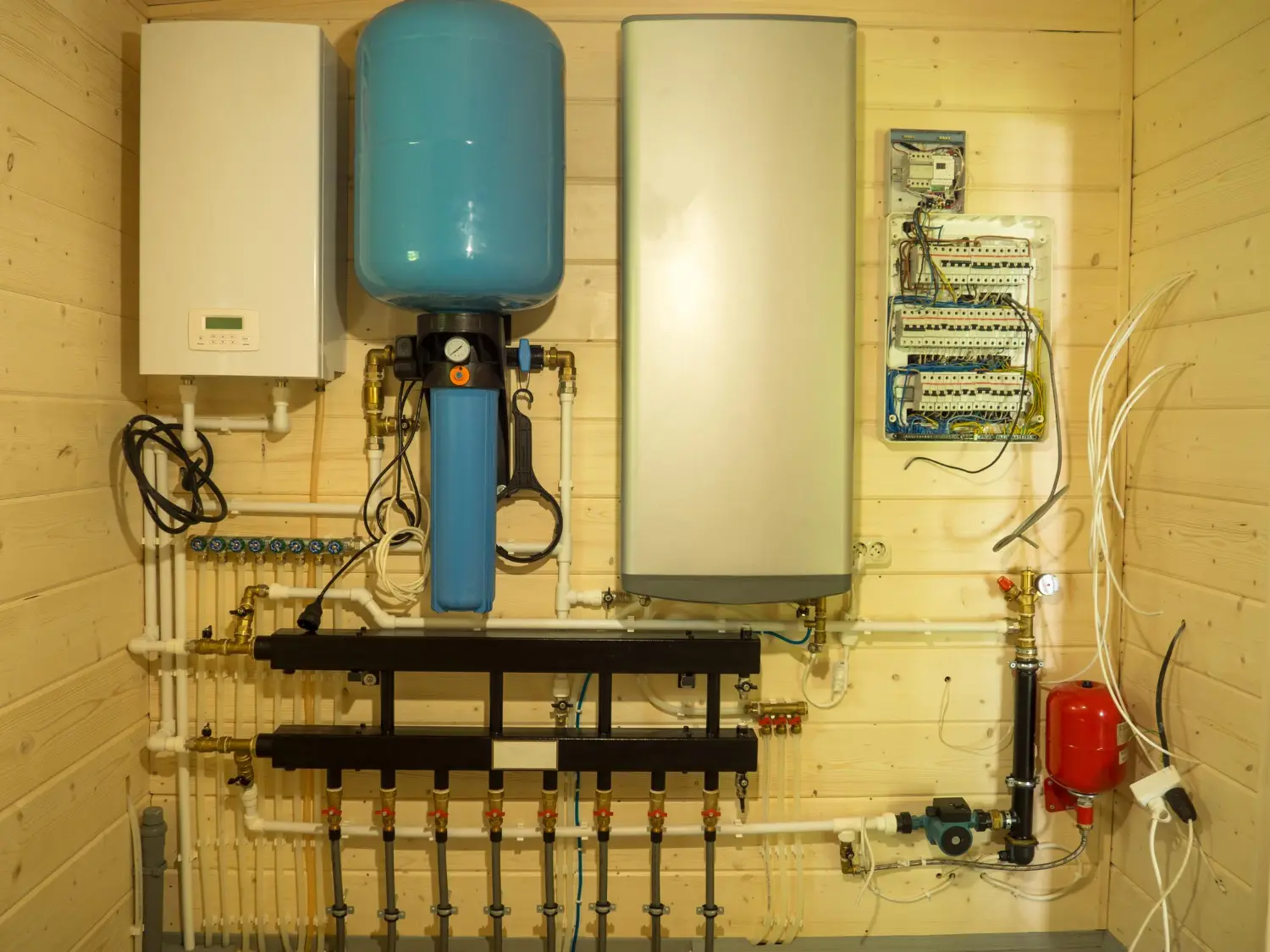
A burst pipe or broken valve can turn an ordinary day into a serious household emergency within minutes. Water can spread through floors, walls, ceilings, and personal belongings before you have time to understand what has happened. Knowing how to respond quickly can reduce property damage, protect your plumbing system, and make professional repairs easier. This step-by-step guide explains what to do during a plumbing crisis and when to call Emergency Plumbing Services. The first few minutes are especially important because uncontrolled water flow can create expensive secondary problems.
Recognize the Signs of a Plumbing Emergency
Not every plumbing problem requires immediate professional attention, but a burst pipe, major leak, or failed shutoff valve usually does. A sudden drop in water pressure, unexplained pooling water, rushing sounds behind walls, or water appearing from ceilings can indicate a serious leak. In some cases, the first sign is a rapidly increasing water bill or dampness around plumbing fixtures. Ignoring these warning signs can allow a small leak to become a much larger structural problem. Acting as soon as you notice something unusual is one of the best ways to limit damage.
A broken valve can be equally concerning because valves control water flow throughout the plumbing system. If a valve fails to close properly, shutting off water to the affected fixture may become difficult or impossible. This can leave a damaged pipe continuously releasing water until the main supply is stopped. Homeowners should also pay attention to corrosion, mineral buildup, loose connections, and valves that become increasingly difficult to turn. These conditions may indicate aging components that should be inspected before they fail during an emergency.
Shut Off the Water Supply Immediately
The most important first step during a major plumbing emergency is to stop the water source whenever it is safe to do so. For an individual fixture, such as a toilet or sink, the local shutoff valve may be located underneath or behind the fixture. For a burst pipe or widespread leak, you may need to close the property’s main water shutoff valve. Knowing where this valve is before an emergency occurs can save valuable time when every minute matters. If you live in a rental property or apartment, you may also need to contact building management for assistance.
Once the water has been turned off, open a nearby faucet briefly to relieve pressure remaining in the plumbing lines. Avoid repeatedly turning damaged valves if they are stuck, corroded, or visibly broken because forcing them can make the situation worse. If you cannot locate the main shutoff or the valve will not operate, contacting Emergency Plumbing Services is a practical next step. A professional plumber can identify the source of the problem and safely isolate the affected section. Fast water shutoff is often the difference between manageable cleanup and extensive water damage.
Protect People, Electricity, and Property
Water and electricity create a potentially dangerous combination, so safety should always come before cleanup. If water has reached electrical outlets, appliances, extension cords, electrical panels, or other energized equipment, do not step into standing water to reach a switch. Instead, move people and pets away from the affected area and contact a qualified professional when electrical hazards are present. Never attempt electrical repairs simply because the plumbing problem appears straightforward. Personal safety should take priority over protecting furniture or belongings.
After the immediate hazards have been addressed, move valuable items away from the affected area if it can be done safely. Furniture, electronics, documents, rugs, and other moisture-sensitive belongings can often be protected when action is taken quickly. Use towels, buckets, or suitable containers to catch residual water from a minor leak, provided there are no electrical hazards nearby. Take photographs or videos of the damage before extensive cleanup if you may need documentation for insurance purposes. These records can help establish what happened and provide useful information to repair professionals.
Call a Professional Plumber and Explain What Happened
Once the immediate water supply has been controlled, contact a qualified plumbing professional rather than attempting complicated repairs yourself. Emergency Plumbing Services can be particularly valuable when a pipe has burst inside a wall, a main valve has failed, or water cannot be stopped using normal shutoff controls. When speaking with the plumber, explain where the water is coming from, whether the main supply has been turned off, and how severe the leak appears. Clear information can help the professional understand the situation before arriving. It can also help determine whether additional safety precautions are necessary.
Avoid relying on temporary fixes such as excessive tape, household adhesives, or makeshift clamps when a pressurized pipe has suffered significant damage. These solutions may reduce water flow temporarily but are rarely a dependable substitute for a proper repair. A professional can inspect the damaged section, determine why it failed, and identify whether nearby components have also been compromised. This approach is especially important when corrosion, freezing, excessive pressure, or aging materials contributed to the failure. Repairing the underlying cause helps reduce the likelihood of another emergency occurring soon after.
Check Your Water Heater and Other Plumbing Equipment
A plumbing emergency does not always originate from a supply pipe. Water heaters contain pressurized water and multiple connections, including supply lines, valves, and drain components that can develop leaks. If water is collecting around the base of a water heater, the source should be identified promptly because the problem could involve a loose connection, pressure-related issue, drain valve, or damaged tank. Homeowners should avoid attempting repairs on gas connections or electrical components without appropriate qualifications. Professional Water Heater Services can help diagnose the issue and determine whether repair or replacement is appropriate.
A leaking water heater may produce more than a simple puddle on the floor. Continued leakage can damage surrounding flooring, walls, cabinets, or stored belongings, particularly when the unit is located in an enclosed area. Strange noises, inconsistent hot water, rusty water, visible corrosion, and frequent pressure-related problems can also indicate that the system requires professional attention. Routine inspection can identify developing problems before they become major failures. Maintaining the water heater and associated valves is therefore an important part of overall plumbing maintenance.
Clean Up Carefully and Look for Hidden Water Damage
Stopping the visible leak does not necessarily mean the emergency is completely over. Water can travel underneath flooring, behind drywall, inside cabinets, and through ceiling spaces where it may remain unnoticed. Hidden moisture can contribute to staining, material deterioration, unpleasant odors, and microbial growth if affected areas are not properly dried. After the plumbing repair, inspect nearby surfaces for dampness and continue monitoring them. If substantial water entered walls, ceilings, or flooring, professional water-damage assessment may be appropriate.
Proper documentation can also be useful after a significant plumbing incident. Keep records of repair invoices, photographs, damaged belongings, and conversations with contractors or property managers. If you have insurance coverage that may apply, review your policy and follow its reporting requirements rather than assuming every type of water damage is covered. A professional plumber can also provide information about the source and extent of the plumbing failure. Organized records make it easier to understand the cost of the incident and plan future maintenance.
Prevent Future Burst Pipes and Valve Failures
The best plumbing emergency is the one that never happens. Regular inspections can help identify corroded valves, aging pipes, loose fittings, pressure problems, and other conditions that may eventually result in a major failure. Homeowners should periodically check exposed plumbing under sinks, behind toilets, around appliances, and near water heaters for signs of moisture or corrosion. Replacing worn components before they fail is usually easier than dealing with an uncontrolled leak. Preventive maintenance can also extend the useful life of a plumbing system.
Cold weather can create additional risks for plumbing systems because freezing water expands and can place significant stress on pipes. Insulating vulnerable pipes, protecting exposed plumbing, and maintaining appropriate indoor temperatures can reduce the risk of freezing-related failures. It is also helpful to know the location of the main water shutoff and make sure household members understand how to use it. Scheduling professional inspections and using qualified Emergency Plumbing Services when serious problems occur provides another layer of protection. Preparation, maintenance, and quick decision-making can greatly reduce the consequences of a plumbing crisis.
Conclusion
Burst pipes and broken valves require quick action, but panic can make a difficult situation harder to manage. Start by identifying the water source, shutting off the appropriate supply, protecting people from electrical and structural hazards, and contacting a qualified plumbing professional. Once the immediate problem is controlled, inspect for hidden moisture and address any underlying plumbing defects that contributed to the failure. Water heaters and their valves should also receive professional attention when they show signs of leakage, corrosion, or malfunction. With regular maintenance and a clear emergency plan, homeowners can respond more confidently and reduce the risk of costly plumbing damage.