
How Walk-In Emergency Rooms Provide Faster Access to Emergency Medical Care
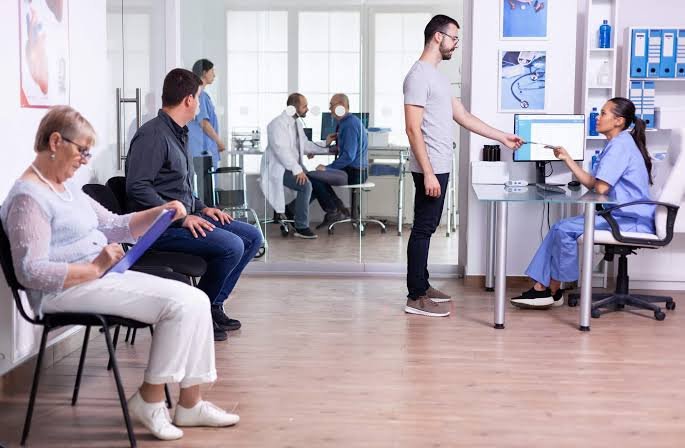
When a serious illness or injury develops, waiting for a regular appointment may not be safe. A walk in emergency room gives patients access to emergency evaluation without scheduling ahead, often at any hour of the day. These facilities can assess symptoms, perform diagnostic tests, begin treatment, and determine whether hospital care is necessary. That streamlined approach may help stable patients receive immediate medical attention closer to home. However, faster access is never guaranteed, and anyone with life-threatening symptoms should call 911 rather than drive to an emergency facility.
Medical disclaimer: This article provides general educational information and does not replace professional medical advice. Call 911 when symptoms are life-threatening, the patient is unstable, or traveling by private vehicle may be unsafe.
What Is a Walk In Emergency Room?
A walk-in emergency facility provides unscheduled care for illnesses and injuries that may require emergency-level evaluation. Unlike a primary care office, patients do not need to book an appointment before arriving.
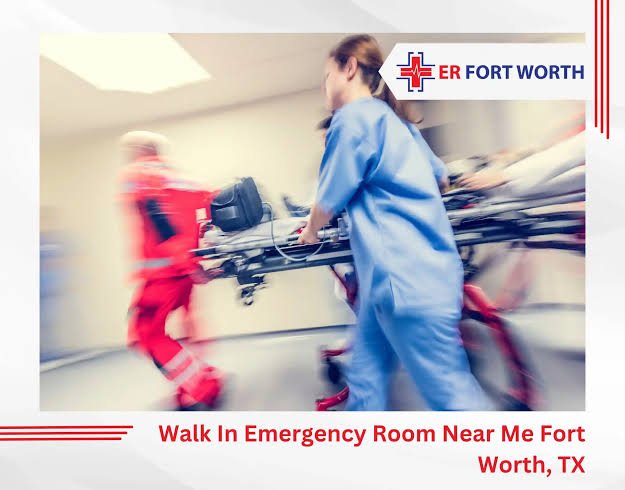
In Texas, a freestanding emergency medical care facility is structurally separate from a hospital but receives patients and provides emergency care. State law requires licensed facilities in this category to operate continuously, 24 hours a day and seven days a week. Texas regulations also require physician coverage during operating hours and establish standards for emergency, laboratory, and radiological services.
A walk-in emergency facility is not the same as an urgent care clinic. Urgent care typically treats stable, non-life-threatening problems, while an emergency room is designed to evaluate potentially serious conditions that may require advanced testing, monitoring, stabilization, or transfer.
What “Faster Access” Really Means
Faster access does not necessarily mean that every patient will be treated immediately or that the entire visit will be brief. Emergency care is based on clinical urgency, available staff, testing requirements, and patient volume.
Instead, faster access may mean:
- No need to wait for an appointment
- Availability outside normal office hours
- A shorter trip than traveling to a distant hospital
- Triage beginning soon after arrival
- Diagnostic testing at the same location
- Treatment starting before every test result is complete
- Direct coordination of a transfer when hospital admission is needed
Emergency department crowding can create delays, and patient-flow problems may affect safety and the overall length of a visit. For this reason, efficient registration, triage, testing, treatment, and discharge processes are important parts of emergency care.
1. Patients Can Arrive Without an Appointment
One of the clearest access advantages is the ability to arrive when a concerning symptom develops. Patients do not have to wait for a primary care office to open, request a same-day appointment, or obtain a referral before seeking an emergency assessment.
This can be valuable when symptoms begin:
- Late at night
- During a weekend
- On a holiday
- While traveling
- When a regular doctor has no available appointments
- When symptoms are becoming worse too quickly to wait
For example, someone who develops severe abdominal pain at midnight may need examination, laboratory testing, and imaging before a physician’s office reopens. Walking into an emergency facility allows the evaluation process to begin without an appointment-related delay.
2. Community Locations May Reduce Travel Time
Freestanding emergency facilities are often located away from a main hospital campus. For some patients, a nearby location may reduce the time spent driving across a city or navigating a large medical complex.
This can be especially practical for:
- Families with young children
- Older adults with limited mobility
- Patients experiencing significant pain
- People who are unfamiliar with a hospital campus
- Residents living far from a hospital-based emergency department
Location should never be the only consideration. A major trauma, suspected stroke, heart attack, or unstable condition may require ambulance transportation to the facility best equipped for the patient’s needs. Emergency medical services can evaluate the situation, begin care, and select an appropriate destination.
3. Triage Starts the Clinical Process
After a patient arrives, emergency staff generally perform triage to identify the severity of the problem. This process may include checking:
- Temperature
- Heart rate
- Blood pressure
- Breathing rate
- Blood oxygen level
- Pain severity
- Mental alertness
- The main symptom and its starting time
Triage is not simply a check-in process. It helps the medical team identify patients who may deteriorate or require rapid intervention.
Emergency care does not always follow arrival order. A person with breathing difficulty, signs of a stroke, or uncontrolled bleeding may be treated before someone who arrived earlier with a stable injury. This severity-based system is necessary because some conditions are more time-sensitive than others.
Patients should tell staff immediately when their symptoms change while waiting. New chest pain, faintness, confusion, weakness, heavier bleeding, or worsening breathing difficulty may change the urgency of the evaluation.
4. On-Site Testing Can Reduce Extra Stops
A patient who visits a regular medical office or a small clinic may need to travel elsewhere for laboratory work or advanced imaging. An emergency facility with on-site diagnostic services can often perform the examination and necessary testing during the same visit.
Depending on the facility and the patient’s condition, testing may include:
- Blood tests
- Urine tests
- Electrocardiograms
- X-rays
- Ultrasound
- CT imaging
- Heart and oxygen monitoring
Texas Health and Human Services identifies laboratory and radiological services among the areas regulated for freestanding emergency medical care facilities. Specific capabilities still vary, so patients with non-life-threatening concerns may contact a facility directly to confirm whether a particular test is available.
Keeping evaluation and testing in one location can reduce delays caused by separate appointments, referrals, or travel between medical offices.
5. Treatment Can Begin While the Evaluation Continues
Emergency clinicians do not always need to wait for a final diagnosis before addressing immediate risks or severe symptoms.
Depending on the situation, early treatment may include:
- Intravenous fluids for dehydration
- Oxygen or breathing treatments
- Medication for pain or nausea
- Wound cleaning and closure
- Splinting an injured limb
- Medication for a severe allergic reaction
- Monitoring for heart or neurological symptoms
- Stabilization before transfer
For example, a patient with persistent vomiting may receive fluids and nausea medication while blood tests and imaging are being completed. A person with a deep cut may receive bleeding control and wound care while the team checks for tendon, nerve, or bone damage.
This parallel approach—assessment, testing, treatment, and monitoring occurring together—is one way emergency care can respond efficiently to time-sensitive needs.
6. A Focused Setting May Simplify Patient Flow
A freestanding facility does not usually manage the same range of inpatient departments, surgeries, and hospital-bed demands found across a large hospital campus. In some circumstances, this smaller setting may make registration, room placement, testing, and discharge more direct.
That does not mean every visit will be quick. The length of care depends on factors such as:
- How many patients are present
- The seriousness of each patient’s condition
- Which tests are required
- How long results take
- Whether symptoms require observation
- Whether a specialist must be consulted
- Whether transfer or hospital admission is necessary
Patients should be cautious of blanket promises about waiting times. Emergency conditions are unpredictable, and the sickest patient must take priority.
7. Rapid Evaluation Can Support Earlier Decisions
The purpose of emergency testing is not only to identify a diagnosis. It is also to answer urgent questions:
- Is the patient medically stable?
- Could the symptoms indicate a life-threatening condition?
- Is emergency treatment working?
- Can the patient recover safely at home?
- Is observation needed?
- Does the patient require hospital admission?
- Is transfer to a higher level of care necessary?
A walk in emergency room may provide faster access to examination and diagnostics when a stable patient cannot safely wait for routine care. By bringing assessment, monitoring, testing, and treatment together, the clinical team can determine sooner whether the patient can go home or needs immediate medical attention at a hospital with additional resources.
8. Transfers Can Be Coordinated When Higher-Level Care Is Needed
Freestanding emergency facilities can evaluate and stabilize many conditions, but they may not have inpatient beds, operating rooms, intensive-care units, or every medical specialist on site.
When a patient needs hospital admission, emergency surgery, intensive monitoring, or specialized treatment, the facility may arrange transfer to a hospital. The medical team can provide initial stabilization, share test results with the receiving facility, and coordinate appropriate transportation.
A transfer does not necessarily mean the first visit was unnecessary. Early evaluation may identify the problem, begin treatment, and establish how urgently the patient needs hospital-based care.
Walk-In Emergency Room vs. Urgent Care
Choosing the correct level of care can help avoid delays and unnecessary transfers.
Urgent Care May Be Appropriate For:
- Mild cold or flu symptoms
- Minor sprains and strains
- Small cuts
- Mild rashes
- Ear or sinus discomfort
- Uncomplicated urinary symptoms
- Minor burns
- Stable, low-grade fever
Emergency Care May Be Appropriate For:
- Chest pain or pressure
- Severe abdominal pain
- Significant breathing difficulty
- Sudden weakness or confusion
- Serious head injuries
- Deep wounds or heavy bleeding
- Major fractures or deformity
- Persistent vomiting with dehydration
- Severe allergic reactions
- Seizures
- Sudden, severe pain
- Vomiting or coughing blood
MedlinePlus advises emergency evaluation for symptoms such as trouble breathing, fainting, heavy bleeding, deep wounds, serious burns, severe pain, sudden confusion, and vomiting or coughing blood.
When the correct destination is unclear, consider how severe the symptoms are, how quickly they are changing, and whether advanced testing or monitoring may be required.
When You Should Call 911 Instead of Walking In
A walk-in facility is appropriate only when the patient can travel safely. Call 911 when someone:
- Is unconscious or difficult to awaken
- Has severe breathing difficulty
- Shows signs of a stroke
- Has possible heart-attack symptoms
- Is bleeding heavily
- Has a suspected spine injury
- Has a prolonged seizure
- Is severely confused
- Develops blue or gray skin or lips
- May deteriorate during transportation
Emergency medical technicians and paramedics can provide care at the scene and during transportation. MedlinePlus recommends calling 911 when a problem appears life-threatening rather than attempting private transportation.
Do not delay an emergency call to collect documents, compare prices, or search for a preferred facility.
What to Bring When Time Allows
Useful information can make the evaluation more efficient, but gathering it should never delay emergency care.
When practical, bring:
- A photo ID
- An insurance card
- A list of medications and doses
- Information about allergies
- Major medical and surgical history
- Emergency contact details
- The time symptoms began
- Relevant medication or chemical containers
- Recent medical records related to the problem
A brief written medication list can be especially valuable when a patient is in pain, anxious, or unable to remember every prescription.
Understanding Cost and Insurance
Emergency services generally cost more than urgent care because an emergency facility must maintain staffing, equipment, testing capabilities, and readiness for serious conditions.
Before treatment for a non-life-threatening concern, patients may ask about:
- Insurance participation
- Facility fees
- Professional charges
- Imaging and laboratory fees
- Payment options
- Itemized billing
Do not postpone necessary emergency care because the total cost is unknown. When the situation is stable enough to compare options, verify whether the location is an emergency facility or an urgent care clinic; the names, capabilities, and billing structures are not interchangeable.
Emergency Care Access in Fort Worth
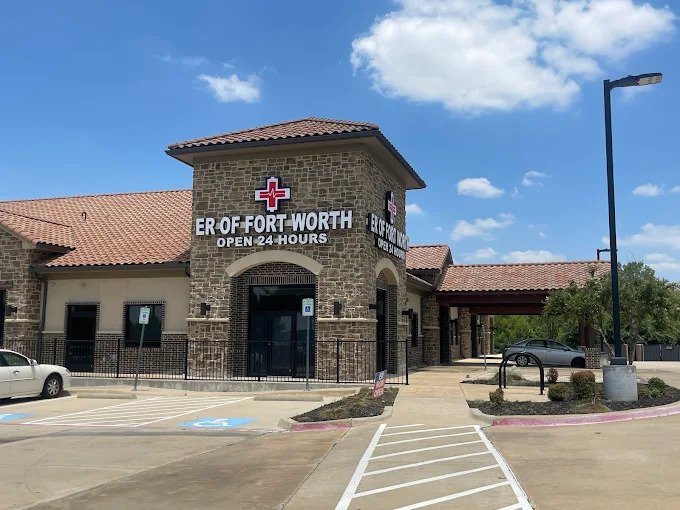
For patients seeking local emergency-level evaluation, ER of Fort Worth- EMERGENCY ROOM offers a Fort Worth option for sudden illnesses and injuries that cannot wait for a scheduled appointment. Contact the facility directly to confirm current diagnostic services, insurance participation, and billing policies. For life-threatening symptoms or an unstable patient, call 911 instead of driving.
Frequently Asked Questions
Are Walk-In Emergency Rooms Really Faster Than Hospital ERs?
They may offer faster access in some situations because of their location, patient volume, and focused setting, but no facility can guarantee a specific waiting or treatment time. Patients are prioritized by medical severity, and testing or transfer needs may extend the visit.
Do Walk-In Emergency Rooms Require an Appointment?
No. Walk-in emergency facilities provide unscheduled emergency evaluation. In Texas, licensed freestanding emergency medical care facilities must operate continuously, 24 hours per day and seven days per week.
Can a Walk-In Emergency Room Admit Me to a Hospital?
A freestanding emergency facility may not have inpatient beds. When hospital admission, surgery, intensive care, or specialist treatment is needed, the emergency team can stabilize the patient and coordinate transfer to an appropriate hospital.
Final Takeaway
Walk-in emergency facilities can improve access by accepting unscheduled patients, operating outside regular office hours, starting triage on arrival, and providing testing and treatment in one location. A walk in emergency room may be a practical choice when a serious illness or injury requires prompt evaluation and the patient is stable enough to travel. When symptoms are life-threatening or safe transportation is uncertain, call 911. Choosing the appropriate level of care can help patients obtain immediate medical attention without an avoidable delay.